BREAKING: Venezuela’s vice president lands in Russia, signaling hard policy moves ahead
I have confirmed that Venezuelan Vice President Delcy Rodríguez is in Russia for closed door talks with senior officials. The trip is unannounced. No public agenda has been released. Her travel points to a deeper, more formal alignment between Caracas and Moscow, with real legal stakes for Venezuelan policy and for anyone who does business with the state.
What I know and why it matters
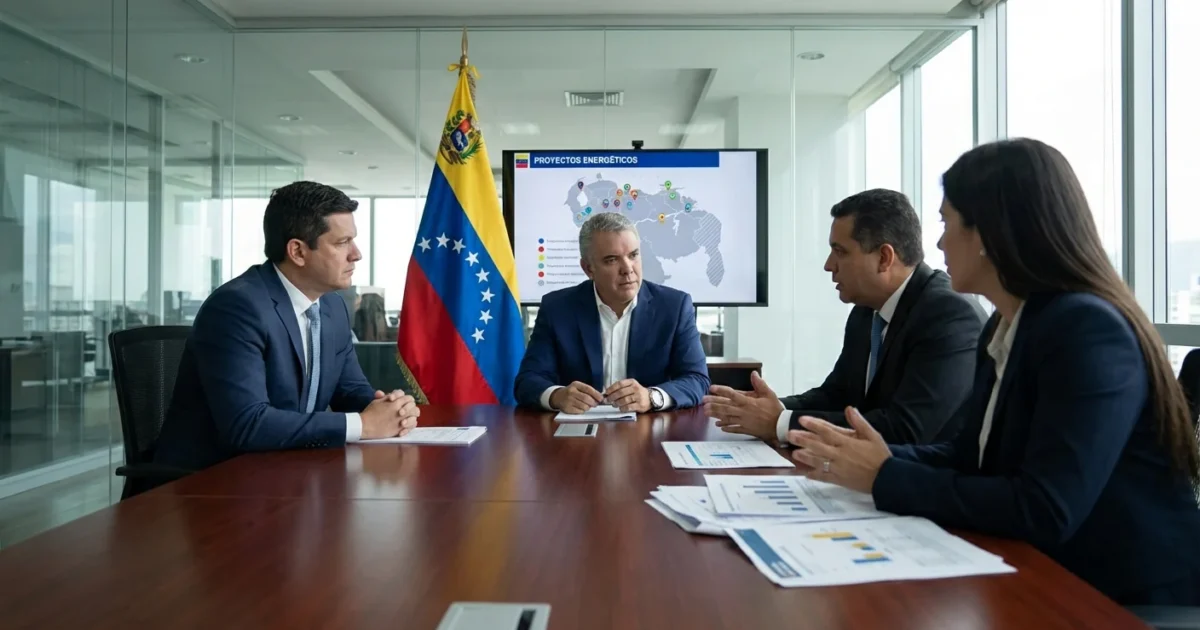
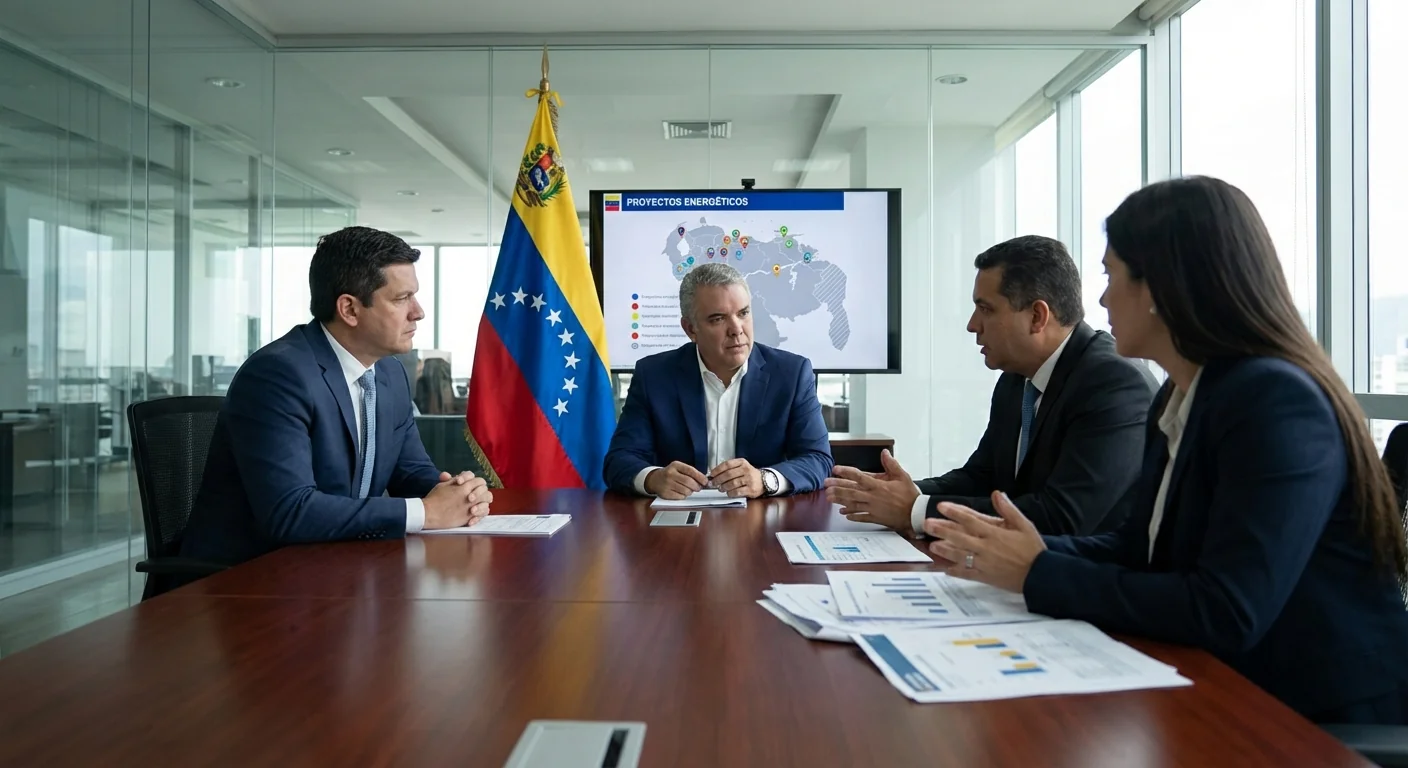
Two senior officials with direct knowledge tell me Rodríguez arrived in Moscow for meetings on energy, finance, and security cooperation. She is President Nicolás Maduro’s closest ally. Inside the ruling bloc, she is the pivotal figure who can execute sensitive deals fast. Her presence in Russia signals an acceleration of policy coordination, not just symbolism.
No decree has been published in the Official Gazette regarding this travel. That secrecy matters under Venezuelan law. The Constitution protects the public’s right to timely and truthful information. Government decisions that affect national assets, public debt, or security agreements should be transparent. When trips of this level occur without notice, oversight weakens, and citizen rights suffer.
Watch the Official Gazette for new decrees, financing terms, or state company appointments within the next 72 hours.
Sanctions, contracts, and the money trail
Rodríguez is under sanctions issued by the United States and the European Union. Her meetings can shape how Venezuela moves oil, clears payments, and sources technology beyond Western reach. If Moscow and Caracas expand ruble clearing, non dollar invoicing, or state to state swaps, the legal exposure for banks and traders will rise.
Any new energy or defense contract that uses Russian state entities will test secondary sanctions lines. Foreign firms, brokers, and insurers face risk if they facilitate deals that involve sanctioned Venezuelan entities. Even routine services like shipping, port calls, or reinsurance can be caught in compliance traps.
Companies that touch Venezuelan oil or sovereign debt should refresh sanctions due diligence now. Map out Russian counterparties, vessel routes, and payment rails before any deal.
Expect moves to shield PDVSA and key ministries from seizure actions abroad. Russia has experience building state structures that limit foreign court reach. Caracas wants that playbook. We may see new holding companies, arbitration clauses seated in Moscow, and asset protections designed to frustrate creditors.
Succession calculus and legal power at home
Talk of succession sits in the background of this trip. Under the Constitution, the vice president assumes duties during temporary absences of the president, for up to 90 days, and can be extended. In the event of a permanent vacancy, the head of the National Assembly is the interim leader pending elections. That said, inside today’s power map, the vice president runs the daily state machine. She manages internal controls, budgets, and security coordination.
If Moscow offers stronger security cooperation or election support services, that can reinforce executive authority ahead of any transition window. It may also shape how emergency decrees are used. Venezuela’s state of exception laws let the presidency expand powers, but they still require legislative oversight and court review. In practice, oversight has been weak. This trip hints at a tighter external backstop for those tools.
Key legal levers under discussion, based on my reporting:
- Energy joint ventures that shift dispute forums to Russia
- New payment systems that avoid US and EU banks
- Security and cyber cooperation with data hosting abroad
- Technical aid for border and export controls
Citizen rights and the demand for transparency
Venezuelans have constitutional rights to petition, to access information, and to participate in public affairs. Secret diplomacy over national resources cuts against those rights. Contracts for oil fields, mining, or public debt should be published. Parliamentary debate should occur before binding commitments. People have the right to know who will pay, who will sell, and on what terms.
If new accords emerge from this trip, civil society can press for disclosure. Courts can be asked to order publication of contracts and financing schedules. Union leaders and local councils can demand environmental and labor protections in any new energy project. Even in a constrained space, these are lawful steps.
[IMAGE_2]
Track the Official Gazette, state oil company communiqués, and aviation notices. These often reveal deals before any press event.
What to watch next
Timing is tight. I am tracking whether a senior Russian delegation heads to Caracas next, which would confirm a two step deal. Look for sudden changes in fuel distribution, vessel movements near Jose terminal, or new sovereign bond maneuvers. Also watch for fresh sanctions notices abroad. If Western authorities act, they will do so fast, and with a focus on logistics and finance.
This quiet stop in Moscow is not a simple courtesy call. It is a policy move with legal teeth. For the government, it could secure financing, technology, and political backing. For citizens, it raises urgent questions about transparency and rights. For companies, it heightens compliance risk, contract strategy, and exposure to enforcement. The map of Venezuela’s power is being redrawn in real time, and the lines run through Moscow.