BREAKING: Nobel Peace Prize 2025 Debate Ignites Amid Venezuela Upheaval
Tonight, the Nobel Peace Prize is back at the center of a hard question. Should the world’s top peace award move with fast events, or honor slow, steady courage. Reports of Nicolás Maduro’s fall and detention have jolted expectations. Names in Venezuela’s pro-democracy movement are suddenly in the spotlight. The prize, however, follows rules that resist quick turns of the news.
Why Venezuela’s Shock Matters For The Prize
Venezuela’s power map is shifting. Control of the state is not clear. Talk of a successor is growing, with opposition figures drawing attention. Citizens face curfews, arrests, and a struggle over who speaks for the public. In this kind of moment, the Nobel Peace Prize becomes more than a medal. It becomes a mirror for what the world values in a transition.
The prize is not a tool for regime change. It is a statement about method and principle. That means this year’s crisis, loud as it is, will be judged against years of civic work, nonviolence, and rights defense. That is how Oslo usually calls it.
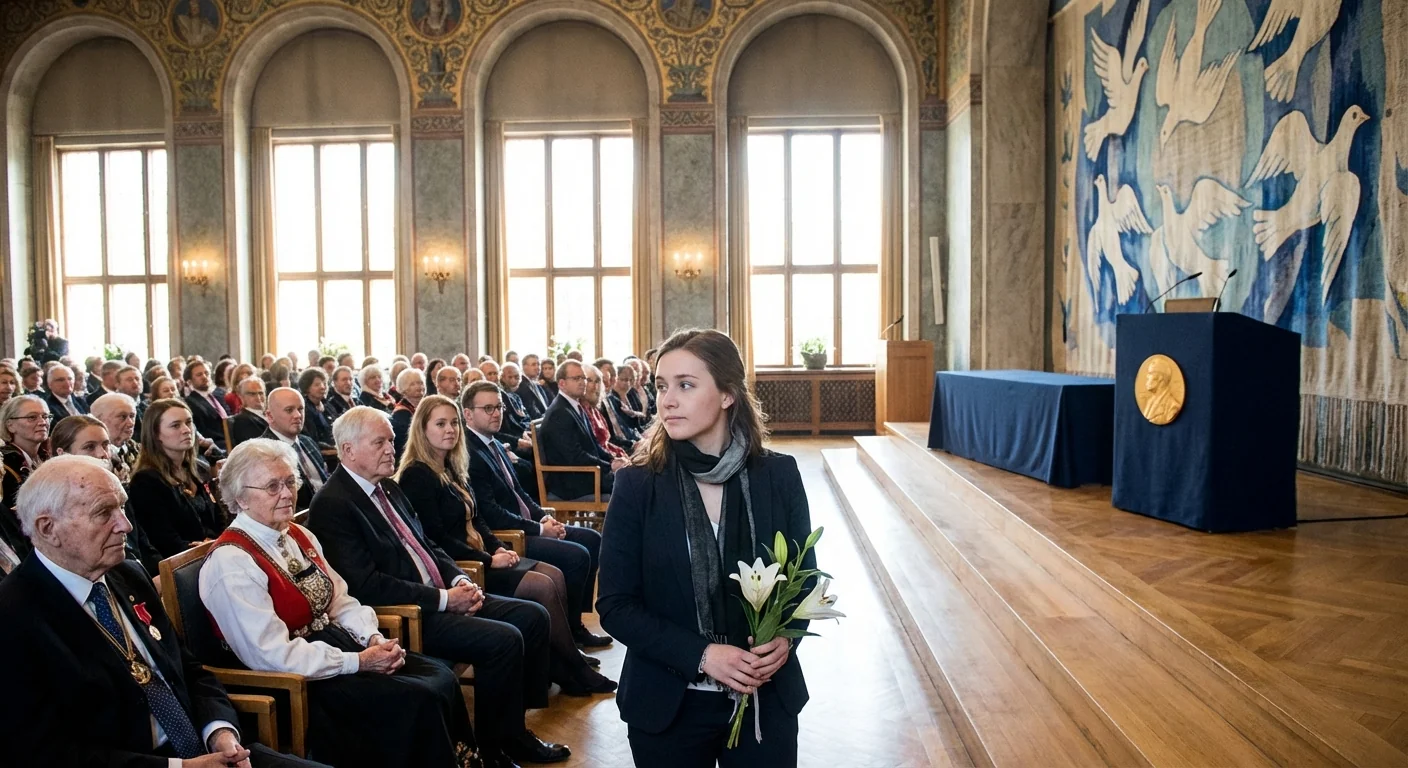
Do not assume a headline will drive the Nobel. The committee rarely honors actors in the middle of a live power struggle. It looks for sustained, nonviolent impact and a clear public benefit.
How The Peace Prize Actually Works
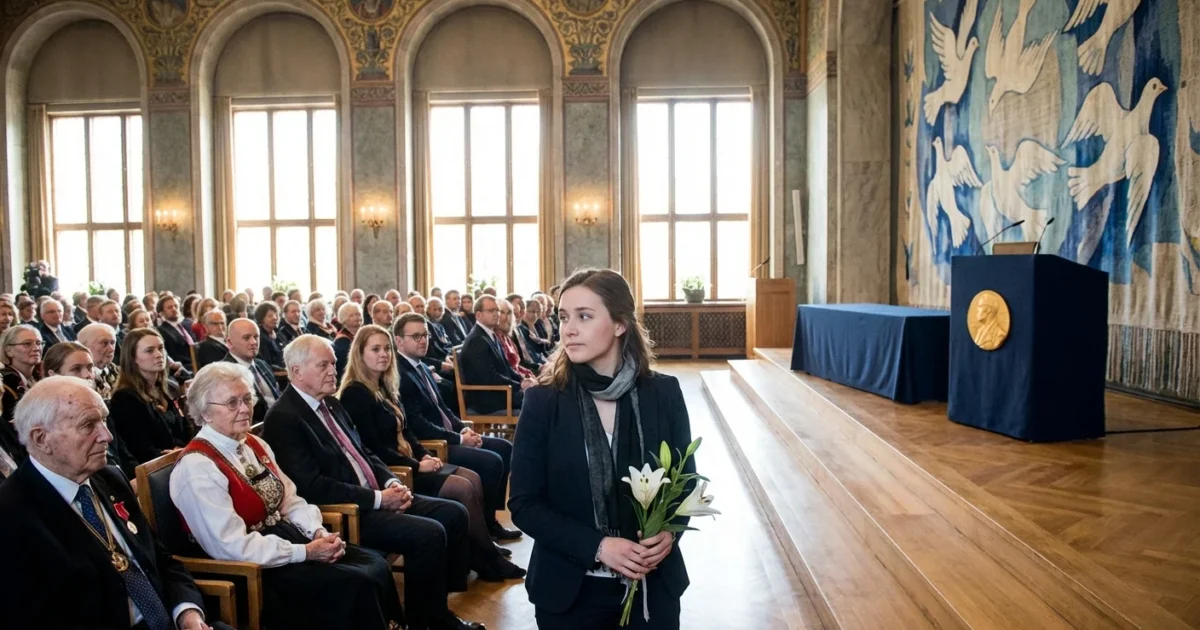
The Nobel Peace Prize is awarded by the Norwegian Nobel Committee in Oslo. The 2025 laureate will be announced in October 2025. Nominations are secret by law. They stay sealed for 50 years. Public lists and open letters do not prove anything.
The committee studies long records. It weighs dialogue, protection of life, and human dignity. It recognizes civil society, election monitors, legal defenders, and peacemakers. It does not certify a government. It does not decide who should rule a country.
In short, the prize rewards the work, not the moment. A march is powerful. A decade of building trust and safety is what wins.
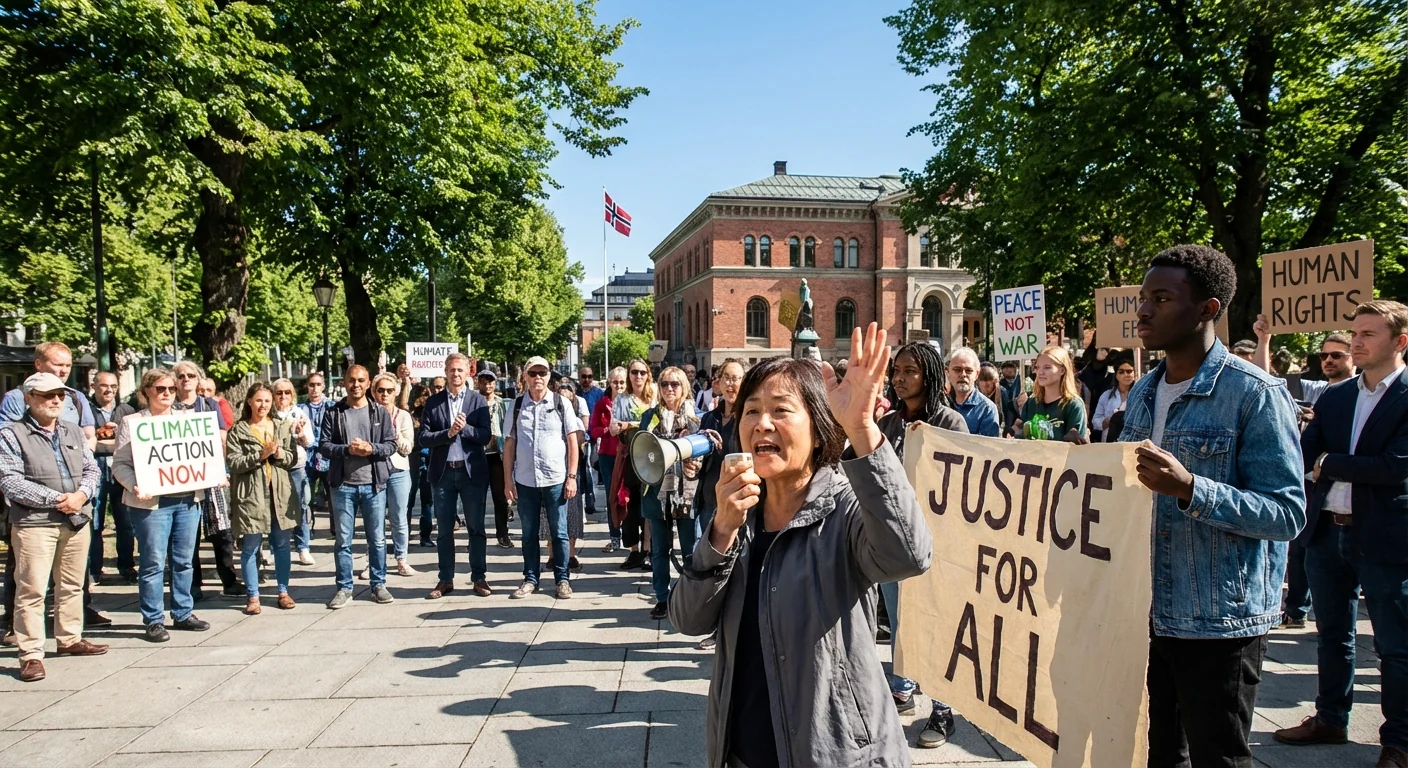
Nominations are confidential for 50 years. Anyone claiming to know the 2025 shortlist is guessing.
Law, Policy, and the Path To A Peaceful Transition
The legal story in Venezuela now is about authority and rights. Constitutions have rules for vacancies, succession, and interim control. Courts, parliaments, and the military each have roles. So do regional bodies and treaties. The wrong legal move can turn a fragile shift into a lasting crisis.
For citizens, the core rights in play are clear. Freedom of assembly. Freedom from arbitrary arrest. Due process. The right to vote in free and fair elections. If emergency powers are declared, they must be lawful, limited, and reviewable. If the internet is cut, courts should review necessity and proportionality. If there are mass detentions, defense counsel and open dockets must follow.
For governments abroad, recognition policy and sanctions matter. Recognition should follow constitutional order and evidence of control, not preference. Sanctions can be eased to support a lawful transition, or tightened to deter abuse. Targeted measures, not broad pain, protect the public.
The justice file is also open. Alleged abuses from recent years do not vanish with a new leader. Transitional justice can mix truth commissions, reparations, and fair trials. Blanket amnesties for grave crimes risk breaching international law. Smart amnesties for political crimes, paired with accountability for serious offenses, can open space for peace.
Here is what matters most in the next days:
- Keep protests peaceful, and police conduct lawful
- Protect courts, media, and election bodies from raids or purges
- Preserve evidence of abuses, chain of command, and orders
- Invite credible observers to watch detention sites and key votes
⚖️ These steps build a record the Nobel Committee understands, and the law requires.
What To Watch Between Now And October 2025
Expect loud campaigns for and against specific names. Expect claims that the prize must crown a new leader. The committee will resist that pull. It will look for groups and individuals who held the line when it was hardest. Think human rights defenders who logged every case. Think election guardians who secured ballots. Think mediators who reduced harm when tempers flared.
Policy signals to watch:
- A clear, lawful succession roadmap with real timelines
- Verifiable steps to free political prisoners
- Open media space and safe civic organizing
- Agreements to allow international monitors and to respect their findings
If these elements hold, the story shifts from seizure to settlement. That is the ground where Peace Prizes are made.
Bottom Line
Venezuela’s upheaval has reset the conversation. The Nobel Peace Prize is not a siren that follows flashing lights. It is a compass. It points to patient, nonviolent work that protects people when power is in flux. Citizens should keep focus on rights and the law. Governments should back a constitutional path and measured justice. The committee will take note, quietly, and decide in October. The headline may be loud. The Nobel almost always rewards the steady beat beneath it.