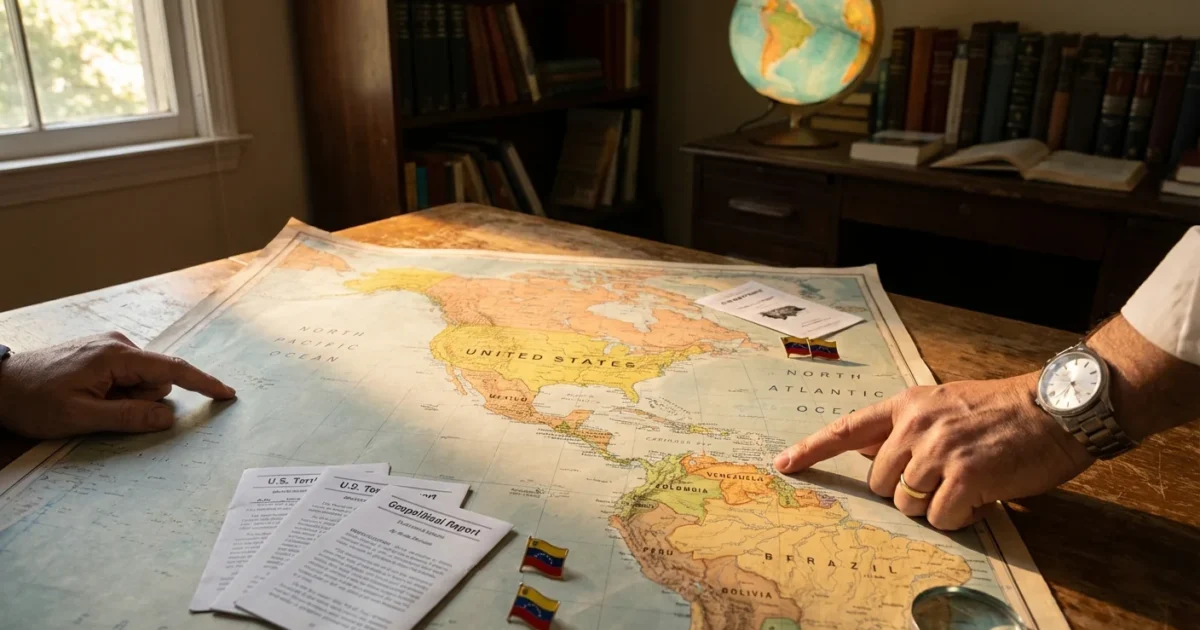
BREAKING: No, Venezuela is not part of the United States. Venezuela is an independent country. It sits on the northern coast of South America. Today I am cutting through the noise. Here is the legal reality, the policy backdrop, and what it means for your rights.
Where the borders actually are
Venezuela is a sovereign nation. Its capital is Caracas. Its official language is Spanish. Its laws come from its own constitution and courts, not from Washington.
The United States has states and territories. Venezuela is neither. Current U.S. territories include Puerto Rico, Guam, the U.S. Virgin Islands, American Samoa, and the Northern Mariana Islands. Those places have defined legal ties to Congress and to U.S. courts. Venezuela does not.
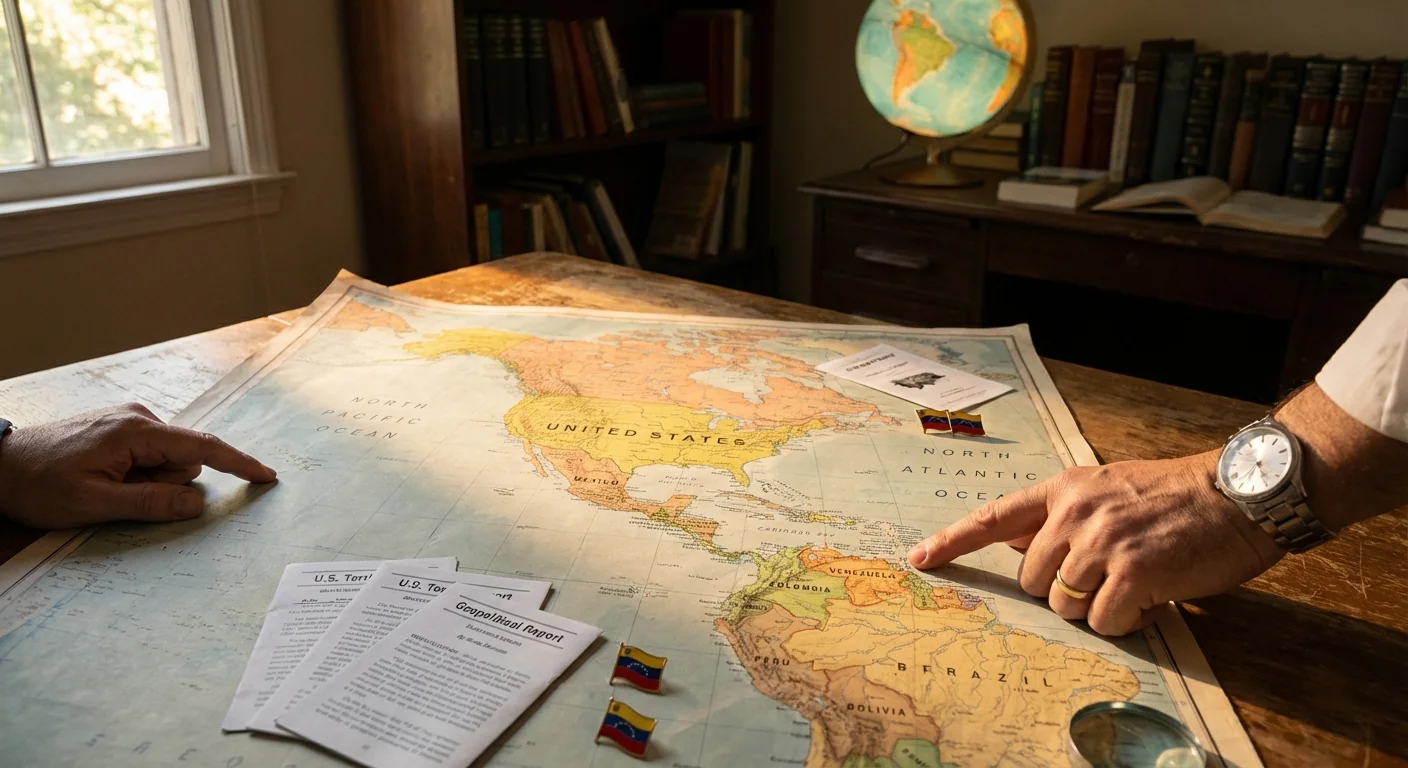
Sovereignty decides who makes the rules. Venezuela makes its own rules inside its borders. The United States cannot apply domestic law there like it does at home.
What U.S. policy can and cannot do
Headlines often note sanctions, visas, oil deals, and statements about leadership. These are policy tools. They can be powerful. They do not erase sovereignty.
The U.S. can recognize foreign leaders for diplomatic purposes. That affects embassies, access to assets in U.S. courts, and official contacts. It does not convert foreign soil into U.S. territory.
The U.S. can restrict trade under federal law. Sanctions limit what U.S. persons and companies can do with certain sectors or actors in Venezuela. Licenses can allow narrow activity. Violations can bring civil and criminal penalties. This is real muscle, yet it still stops at the border. It does not impose U.S. criminal law on the streets of Caracas.
The U.S. controls its own border. It decides who may enter, and on what visa. That shapes travel by Venezuelan nationals to the United States. It does not create U.S. rights inside Venezuela.
Courts in the United States may handle disputes tied to Venezuelan assets located here. That is jurisdiction over things and people present in the U.S., not over the territory of Venezuela.
How a place becomes part of the U.S.
The Constitution sets a clear path. It is not fast, and it is not hidden.
- Congress must act by law. That can admit a state or govern a territory.
- There is usually a treaty, or another lawful transfer of sovereignty.
- The people affected must consent under valid processes.
- The President signs laws, and courts can review disputes.
None of this has happened with Venezuela. There is no act of Congress that makes Venezuela a U.S. state or territory. There is no treaty that cedes Venezuelan land to the United States. The legal status is settled.

What this means for people and businesses
For Venezuelan nationals, you are not U.S. citizens by birth in Venezuela. You need a U.S. visa to enter, unless a separate lawful status applies. Some individuals may receive protections under specific U.S. programs, like asylum or temporary measures when designated. Those programs are limited and do not make Venezuela part of the United States.
For U.S. citizens in Venezuela, you are subject to Venezuelan law. The U.S. Constitution protects you from U.S. government actions. It does not shield you from local police, courts, or taxes abroad. The U.S. embassy can give consular help if operations are open. It cannot grant immunity from local law.
For companies, U.S. sanctions and export controls apply to you wherever you operate. Contracts that touch U.S. dollars or U.S. persons can trigger U.S. rules. Many transactions in oil and finance require licenses. Fines for violations can be steep.
Travelers, register with the U.S. State Department before you go. Businesses, check current OFAC directives and license terms. When in doubt, get counsel.
Here are the practical impacts, in plain terms:
- No automatic U.S. citizenship or voting rights for people born in Venezuela.
- No U.S. local government services in Venezuela, including U.S. courts or police.
- U.S. visas or lawful status are still required to live or work in the United States.
- Trade with Venezuelan entities may require screening and U.S. licenses.
- Consular help is possible, but it is not a legal shield.
Beware of anyone selling “fast track U.S. citizenship” tied to Venezuela. There is no such program. Scams thrive in moments of confusion.
Why the headlines confuse
Strong language in fast news can blur lines. Diplomacy can sound like control. Sanctions can feel like occupation. Oil deals can look like ownership. They are not. They are tools a country uses to advance interests without changing borders. Sovereignty is a bright line. It takes law, consent, and Congress to cross it.
The bottom line
The law is clear. Venezuela is independent. It is not a U.S. state or territory. U.S. policies can reach people, money, and trade. They do not turn Caracas into Cleveland. Know your rights, follow the rules that apply to you, and do not let noisy headlines replace firm facts. ⚖️🌎