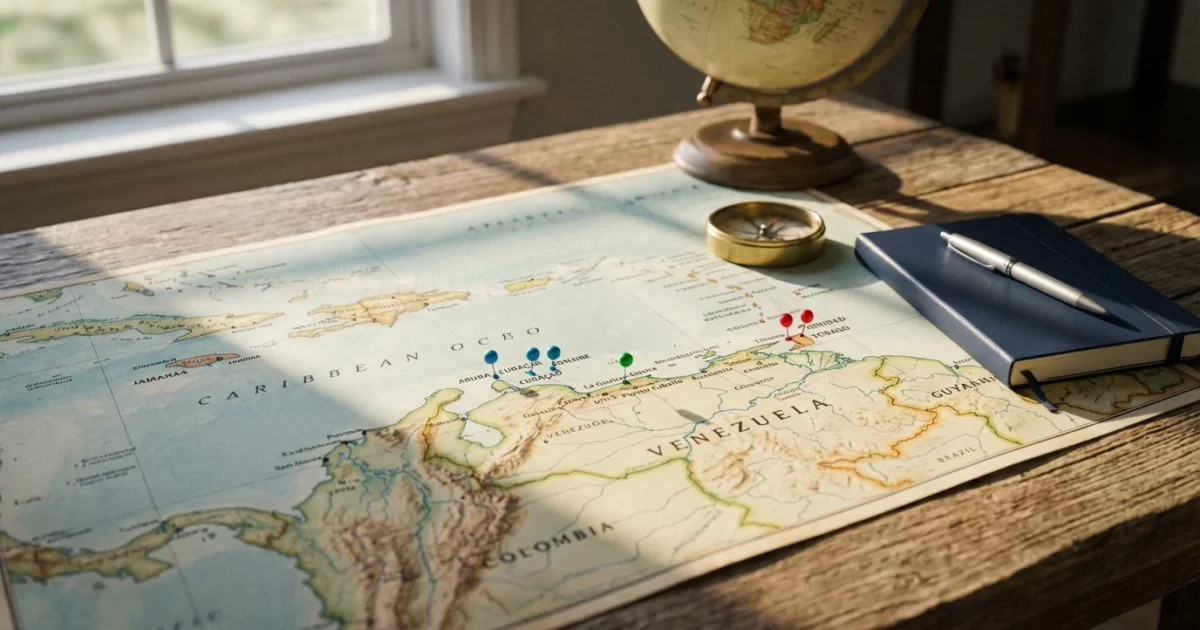
Breaking: “Where is Venezuela on the map?” is today’s key legal question
Venezuela is not just a point on a globe. Its location drives oil flows, sanctions risk, and maritime rights. As energy routes shift and officials harden positions, location has become a legal fact, not a guess. Here is the map, and why it now shapes policy and citizen rights in real time.
Find Venezuela fast
Venezuela sits on the northern edge of South America. The Caribbean Sea is to the north. Colombia borders to the west. Brazil lies to the south. Guyana is to the east. The capital is Caracas, near the coast. Maracaibo and Valencia are major hubs. The Orinoco Belt, inland to the east, anchors massive oil reserves.
That Caribbean frontage matters. Tankers leaving Venezuelan ports reach the Panama Canal quickly. They also thread narrow zones near Dutch Caribbean islands and Trinidad and Tobago. One policy shock can reshape those routes within hours. So can a security scare, a court order, or a new license rule.
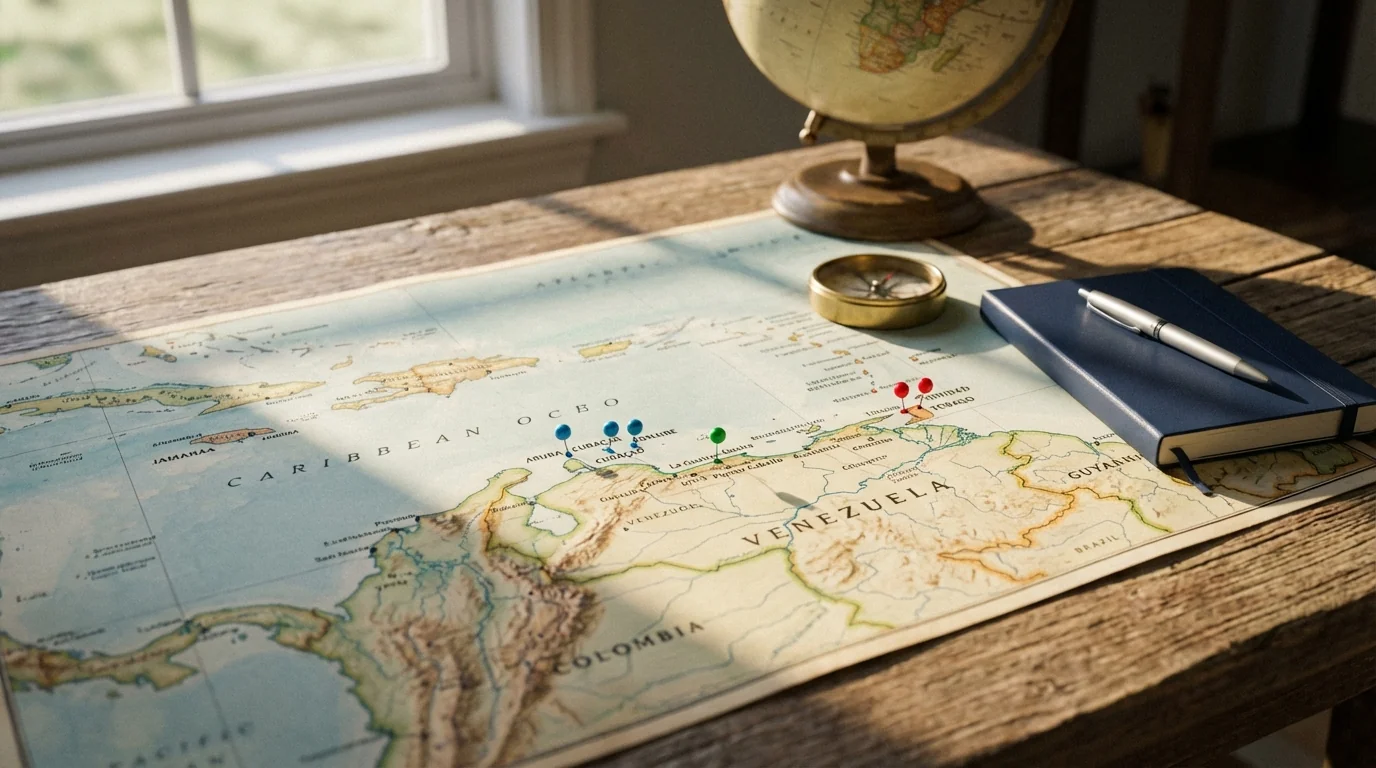
Face north. South America’s top edge touches the Caribbean. From west to east, Colombia, Venezuela, then Guyana. Venezuela is the long curve along that sea.
Why this position carries legal weight
Geography sets the law of the sea in motion. Venezuela claims territorial waters and an exclusive economic zone, called an EEZ, off its Caribbean coast. Ships in these waters face port state rules, customs checks, and security controls. Farther out, innocent passage and freedom of navigation standards apply. These rules come from global maritime law. Many countries, including the United States, treat core parts as binding custom.
Oil lifts from ports like José and the Paraguaná complex near Amuay. These exports move through busy sea lanes. They pass near multiple jurisdictions with different enforcement tools. That web includes Caribbean partners and European-linked territories. One boarding, one seizure, or one safety notice can change cargo paths and prices.
Sanctions law sits on top of maritime law. Licenses, exemptions, and secondary sanctions guide who can buy, insure, finance, or move Venezuelan oil. Compliance officers track vessel ownership, AIS gaps, and ship to ship transfers. If a tanker switches off its signal near Venezuelan waters, alarms go off in corporate and government offices. That is because liability can be huge, and penalties can follow the cargo for years.
Government policy moves now in play
Officials in Caracas tie energy policy to national security and sovereignty. Decrees have tightened port access, cabotage, and military roles at terminals. Courts can order asset holds and detentions tied to customs or currency rules. Companies face local content and labor demands at short notice. None of this is theoretical in a tight market.
In Washington, sanctions and licensing shape trade. General licenses can open a narrow window, then close fast. The rules cover dealings with state oil firms, shipping, and finance. Secondary sanctions can hit non United States firms that support restricted flows. Europe has enacted its own measures in past cycles, often on banking, insurance, and due diligence. Regional groups weigh in when maritime safety or refugee flows rise.
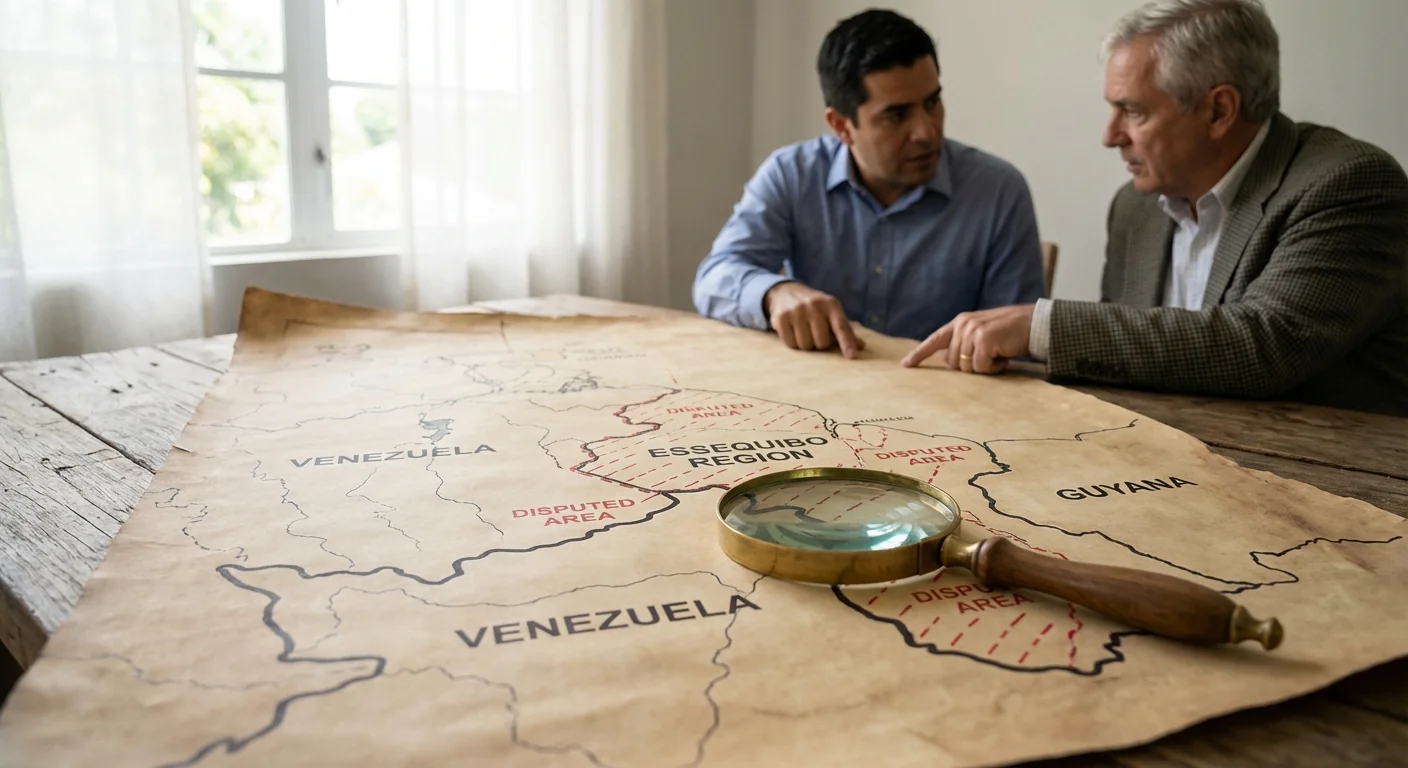
One more legal fault line sits on the map itself. Venezuela’s long running border dispute with Guyana over the Essequibo region is before the International Court of Justice. The Court has urged both sides to avoid steps that raise tensions while the case proceeds. That order hangs over any move near the eastern border, on land or at sea. It also informs Coast Guard patrols, exploration blocks, and military messaging.
Sanctions evasion is not a gray area. False cargo documents, spoofed trackers, and front companies invite asset freezes, fines, and criminal cases.
What this means for citizens and crews
The map ties directly to rights. Mariners transiting Venezuelan waters are entitled to humane treatment, due process, and prompt consular notice if detained. That comes from the Vienna Convention and maritime safety rules. They also have the right to a safe workplace under flag state law. Keep documents ready, keep AIS on, and comply with inspections.
Venezuelan citizens face daily effects at the pump and at ports. Fuel policy, price controls, and rationing are public acts that should be transparent. People have a right to clear rules and to challenge unlawful detentions or seizures. Peaceful assembly and press work around energy policy are core civic rights, subject to time and place limits. Families abroad can send support, but must follow remittance and banking rules in their host countries.
For local governments and businesses, compliance is now strategy. Insurers, port authorities, and shippers must align safety, environment, and sanctions rules. A spill in these waters triggers strict liability regimes. MARPOL and civil liability conventions can apply, with fast claims timelines. Oil on a beach is not just a mess, it is a legal clock.
- Check official travel and maritime notices before departure
- Verify counterparties, cargo origin, and license status
- Register with consular services if operating near the coast
- Document all inspections and communications in port
The bottom line
Knowing where Venezuela is on the map is not trivia today. It is the key to understanding oil flows, court orders, and your rights at sea and on land. The country sits at the Caribbean’s front door, next to vital routes and live disputes. As policies shift, that coastline becomes a legal border, a market signal, and a civic test, all at once. Keep your charts current. Keep your documents cleaner than your decks. The law is moving with the tide.