BREAKING: Jury acquits former Uvalde school police officer Adrian Gonzales on all counts
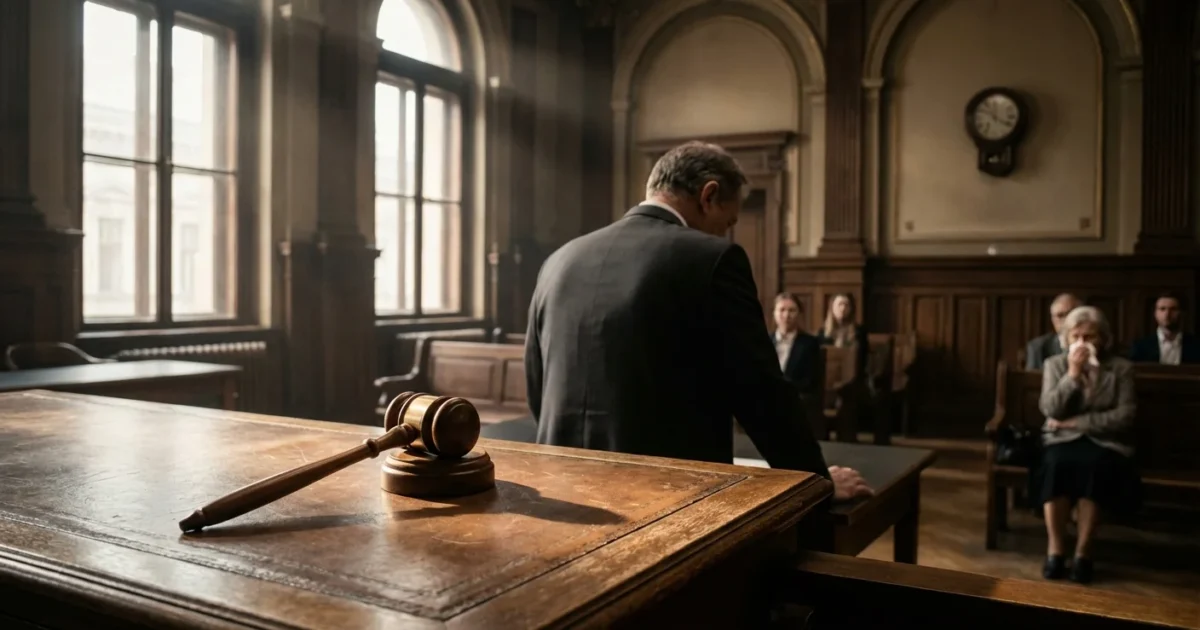
A jury has cleared former Uvalde school district police officer Adrian Gonzales of every criminal charge tied to his response at Robb Elementary. The verdict landed minutes ago. It ends a closely watched trial that asked a hard question. Can an officer be criminally liable for not charging toward an active shooter?
Families in Uvalde wanted answers. Today’s decision gives a legal answer, not a moral one. It sets a boundary around criminal law in the chaos of a school shooting.
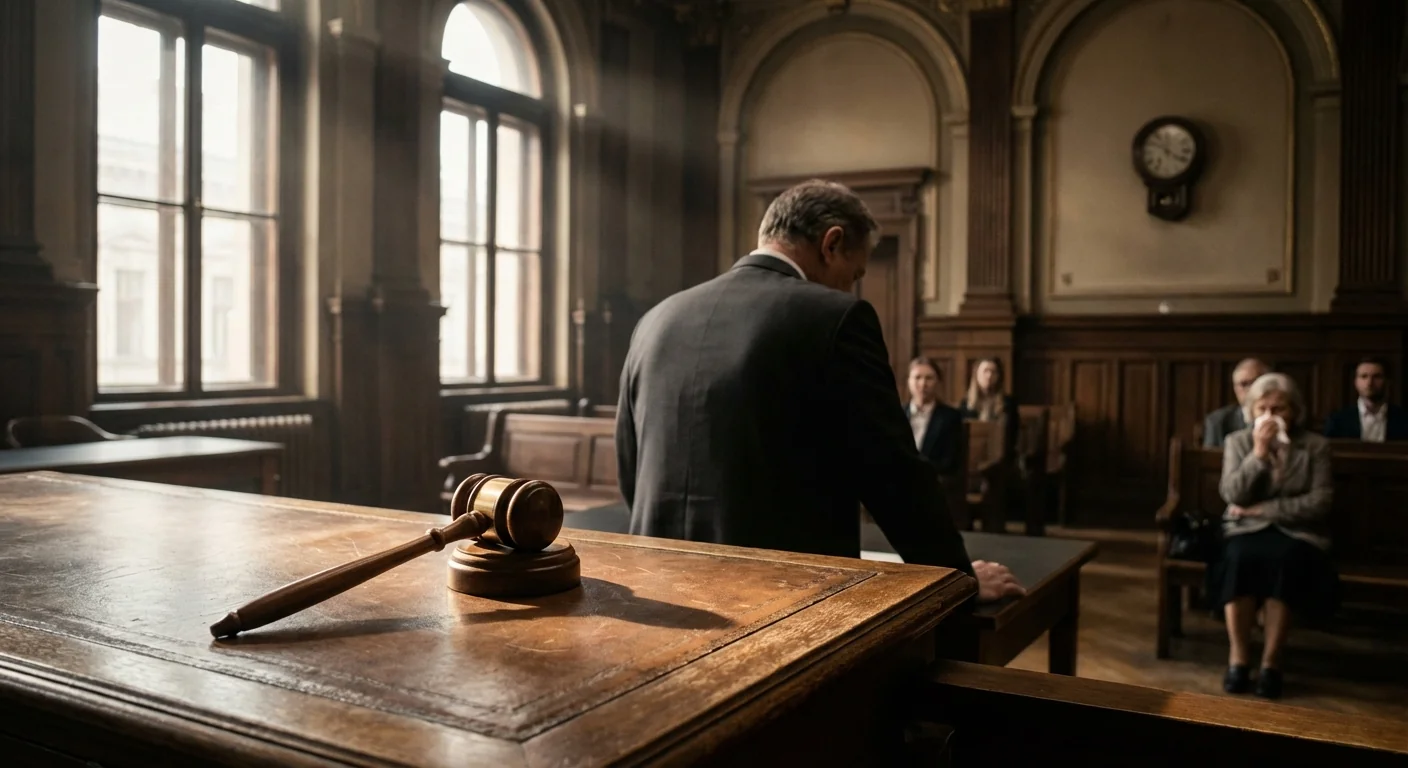
What the jury decided
Jurors found Gonzales not guilty on all counts. The state said he failed to confront the gunman as children and teachers waited. Prosecutors argued his inaction put lives at risk. They told jurors that duty means action, even when the scene is dangerous.
The defense pointed to training and the chain of command. They said Gonzales followed orders in a confused scene. They argued that hesitation, even if tragic, is not a felony. The jury agreed. The state did not meet the high standard of proof.
This verdict does not say the response at Robb Elementary was good. It says the conduct proven at trial did not fit a crime under Texas law. That legal line matters for every officer, every chief, and every prosecutor who will face the next crisis.
The law behind the acquittal
Criminal cases punish acts that meet specific elements. In most states, including Texas, a failure to act is a crime only if a statute makes it so. Police have duties, but criminal liability usually requires intent or extreme recklessness. That is a steep hill.
Civil law is different. Families can sue for rights violations and negligence. Qualified immunity applies in civil cases, not in criminal court. Today’s verdict speaks to prison and conviction, not to damages and accountability in civil court.
We have seen this legal wall before. After the Parkland shooting, a school resource officer was tried and acquitted. Jurors balked at sending an officer to prison for a tactical choice in a moving, deadly event. Uvalde’s result fits that pattern, and it will echo nationwide.
Key takeaway: juries are reluctant to criminalize split-second police decisions unless the law is clear and the proof is overwhelming.
Policy fallout begins now
The Department of Justice already issued a scathing report on Uvalde. It cited command breakdowns, communication gaps, and long delays. That report, and this verdict, point to the same fix. Policy must do the heavy lifting where criminal law will not.
Expect immediate pressure on:
- Clear incident command rules that cannot be ignored
- Single officer entry policies, with timelines and triggers
- Real-time communications standards across agencies
- Mandatory active shooter drills that mirror real chaos
Texas lawmakers have moved on school safety. Districts must meet higher security standards and tighten training. The next step is enforcement that reaches the street. The state police licensing agency can tie certifications to live, stress-based training. Chiefs can hard-wire breach authority and require after-action audits that have teeth.
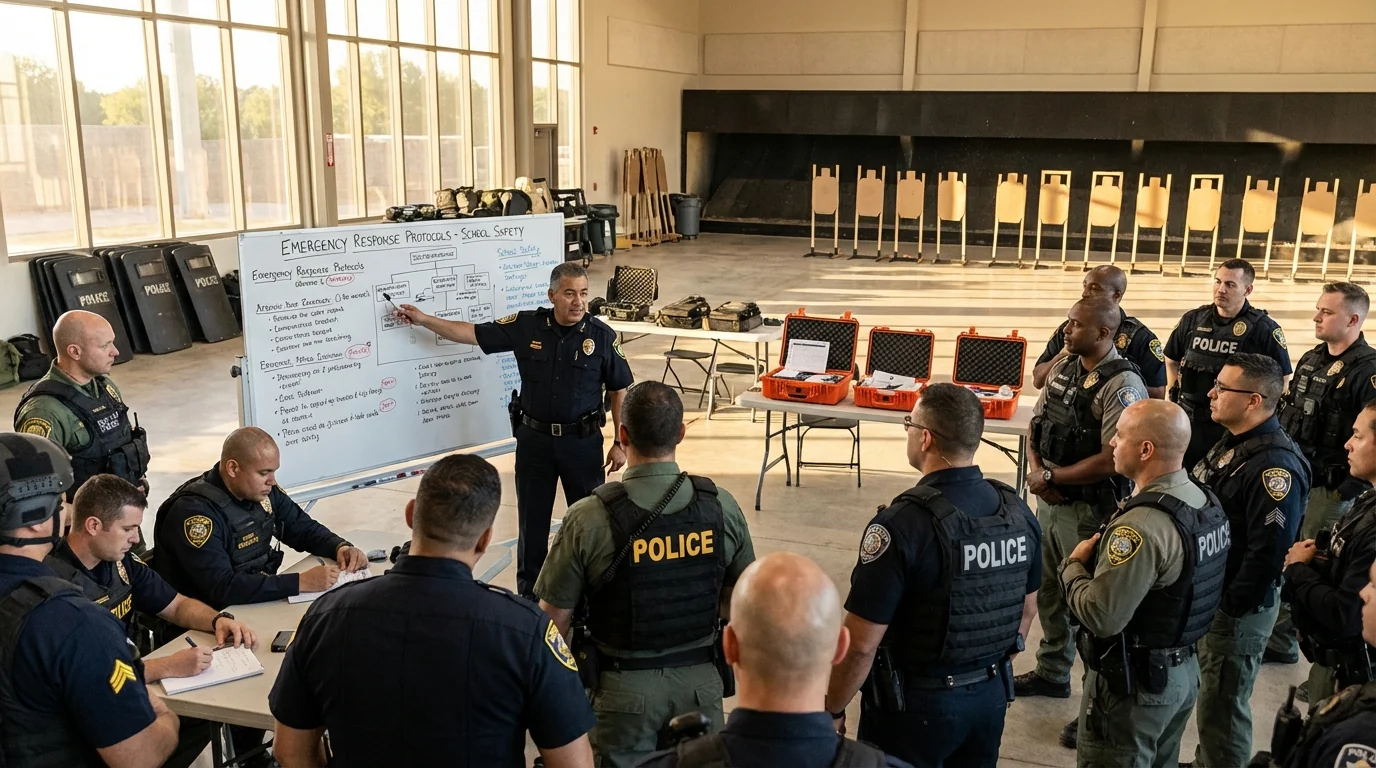
Unions and cities will revisit use-of-force and pursuit policies. Contracts and discipline rules can set bright lines for response. None of that turns tragedy into a crime. It can make the next response faster and clearer.
Citizen rights and next steps
Today’s verdict does not close the door on accountability. Families and residents still hold powerful tools. Use them.
- Request body camera footage, radio logs, and training records under the Texas Public Information Act
- Attend council, school board, and safety committee meetings and speak on the record
- File written complaints with police oversight bodies and the state licensing agency
- Track compliance with state school safety mandates, then demand proof
Civil lawsuits will continue. Wrongful death and constitutional claims move on a different track. Those cases can surface records, force depositions, and drive settlements that include policy reforms.
When you file a records request, ask for metadata, time stamps, and policy manuals. These details show who knew what, and when.
What this means for future prosecutions
Prosecutors will think hard before filing criminal charges for failures to confront a shooter. After Uvalde, any new case will likely target clear lies, cover ups, or obstruction. That is where criminal statutes bite. Tactical hesitation alone will be tough to win before a jury.
Training will carry more weight than indictments. Agencies will standardize rapid entry, define command authority, and drill until muscle memory takes over. The public will judge leaders on minutes and choices, not on speeches after the fact.
The bottom line
The Uvalde acquittal draws a firm legal line. Criminal courts will not cure broken command or slow response. Policy, training, transparency, and civil law will have to do that work. The families deserve more than verdicts. They deserve a system that moves when seconds matter, and a government that proves it can learn.