Breaking: USS Defiant Becomes Flashpoint In Trump‑Class Warship Plan
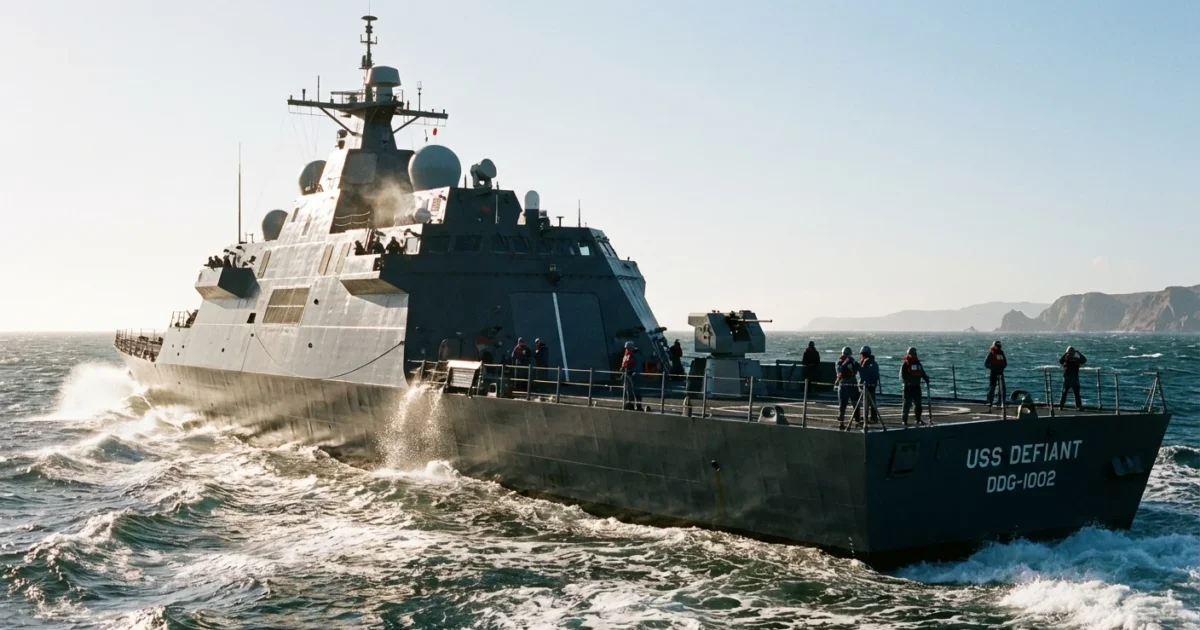
The phrase USS Defiant is everywhere today, and not by accident. The White House has rolled out a new plan for a Trump‑class fleet of battleships, and the name Defiant is the emblem people are reaching for. It signals pride to some, and alarm to others. I am tracking the legal and civic stakes right now. Here is what matters, and what is still unclear.
What Was Announced, And What Was Not
The administration unveiled a branded class of new warships. Officials talked about power, presence, and prestige. They did not publish a build schedule, a budget line, or a legal memo on authorities. They did not say where these ships would be homeported. They did not say how many.
There is intense talk about nuclear capability for the class. The White House did not publicly confirm warhead plans today. That gap matters. Nuclear armament on surface ships would mark a sharp break from post Cold War policy. It would ripple through law, budget, alliances, and public safety rules.
Who Names The Ships, And Can A President Do It
The Secretary of the Navy names United States warships. That practice sits inside executive branch authority. Congress has not fixed names by statute, and usually does not. Presidents can signal preferences, and sometimes they do. But the formal act comes from the Navy.
Naming ships after living political figures is rare and divisive. It is not illegal. It does test the line between national symbols and partisan identity. If the Navy moves to name hulls in a Trump‑class series, expect internal review and pushback. Expect hearings on precedent, morale, and civil‑military norms.
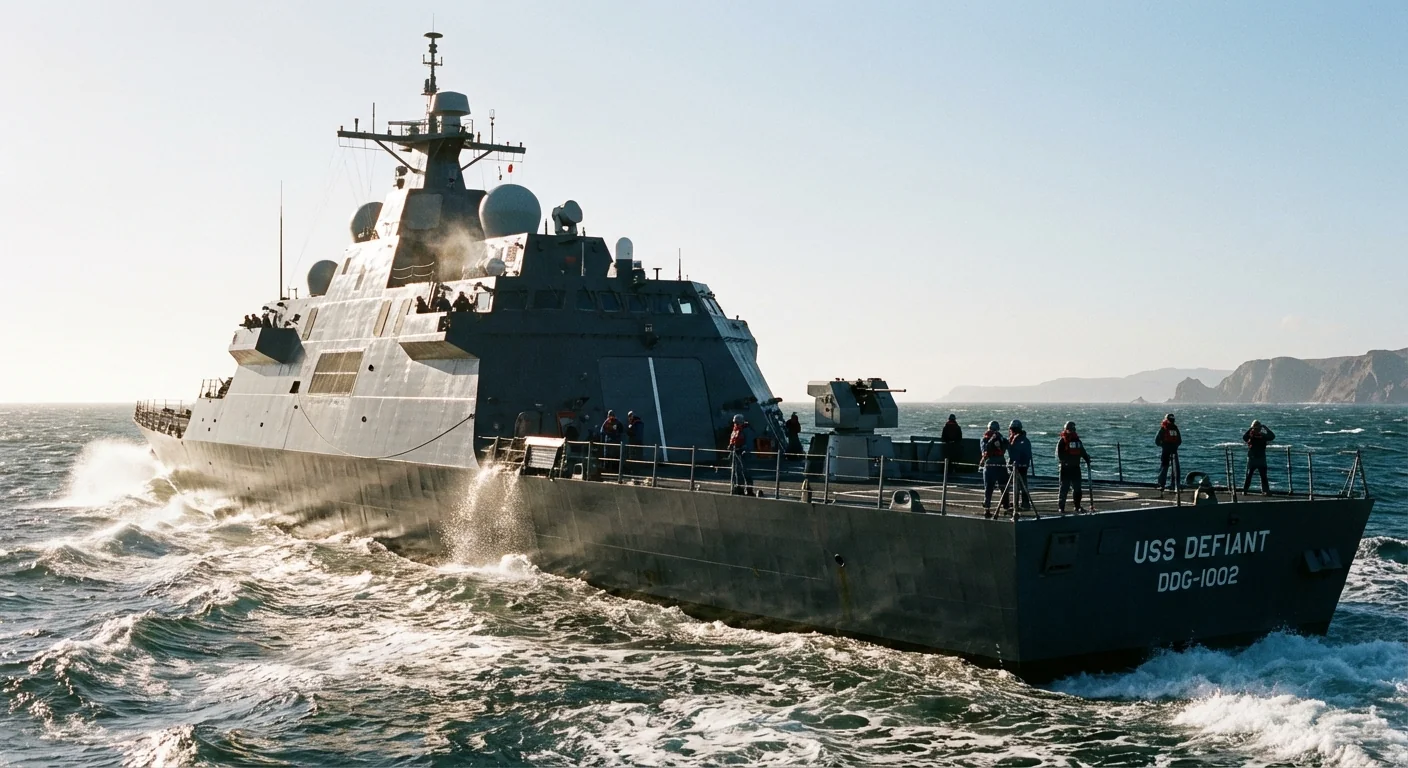
The name USS Defiant is not official today. It is a rallying cry in the public square. It could appear on a hull down the line. Or it could remain a meme that shaped the debate, then passed into the archive.
Bottom line, the Navy decides ship names, and Congress can press for or against choices through oversight and funding.
Nuclear Talk Meets Law And Policy
Putting nuclear weapons on surface ships would require multiple moves.
- A formal policy reversal by the President and the Pentagon
- Funding for warhead integration and ship design changes
- Security, training, and storage protocols with the Department of Energy
- Port access agreements with allies and local authorities
Since 1991, the United States has kept nuclear weapons off surface ships. Changing that would trigger environmental reviews for basing and transit. The National Environmental Policy Act requires public comment on major actions that affect the environment. Classified details would be protected, but communities would still have a say on impacts like safety zones and emergency planning.
Allies would react. Japan’s principles on nuclear weapons, and New Zealand’s nuclear free law, would complicate visits. Even close partners would ask for clear assurances and inspection rules.
Any push to arm surface ships with nuclear weapons would face legal review at home, and hard limits in foreign ports. That means longer timelines, higher costs, and fewer places to go.
Money, Timeline, And Oversight
Warships do not spring from a slogan. Congress must first authorize, then appropriate. The Navy must complete studies, select a design, and test systems. That is years of work.
Here are the gates to watch in the months ahead:
- The next defense authorization bill, which sets policy and programs
- The shipbuilding budget request, the Shipbuilding and Conversion account
- A Navy naming announcement, which often arrives with a keel plan
- Environmental reviews for shipyards and homeports
If the administration tries to lock in a Trump‑class label early, Congress can push back. Lawmakers can fence money, demand reports, or set naming guidance. Courts are not likely to step in on names, but they can check process errors in environmental or contracting steps.

Your Rights, Your Role
Citizens are not bystanders in defense policy. You have tools.
- Submit public comments during environmental reviews
- File Freedom of Information Act requests for non classified planning documents
- Call or visit your members of Congress, and ask about funding and naming standards
- Attend base town halls if you live near a shipyard or homeport
When you comment, ask for specifics. Timeline, cost, safety plans, and alternatives. Specific questions force specific answers.
Speech and assembly rights apply near public facilities, subject to reasonable time, place, and manner rules. On base property, the military sets limits for security. Off base, local protest rules apply. If you face limits that feel unlawful, legal aid groups can advise you.
The Signal Behind USS Defiant
USS Defiant has become the shorthand for a bigger clash. On one side, an image of American steel and resolve. On the other, worries about law, cost, and control. The gap between a bold name and a working ship is wide. Naming is symbolism. Building, arming, and basing are law.
Today’s rollout left more questions than answers. The real test starts now, in committee rooms, acquisition offices, port cities, and allied capitals. Watch the budgets. Watch the naming order. Watch the nuclear language. The name may be Defiant. The process will still have to obey the rules.