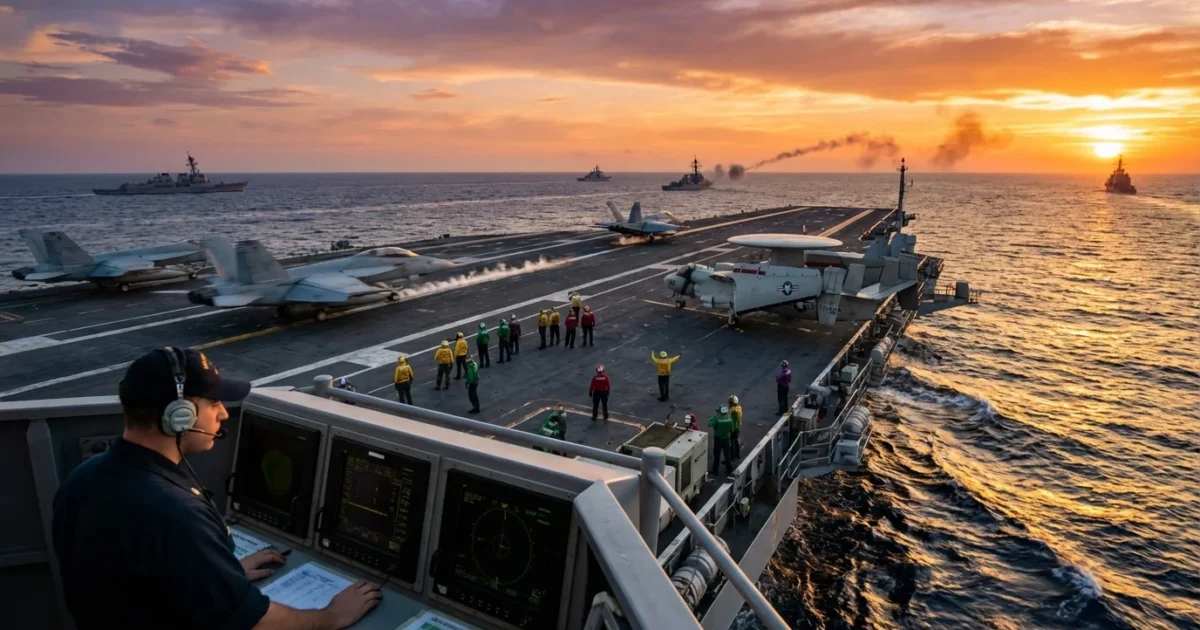
The USS Abraham Lincoln is drilling with live weapons in the South China Sea today. The carrier strike group is moving through contested waters, and the legal stakes are as large as the ship itself. I can confirm the exercises are underway and that they follow a brief stop in Guam. The message is clear, the United States is signaling resolve, and the law will set the frame for what happens next. 🚨
What is happening at sea
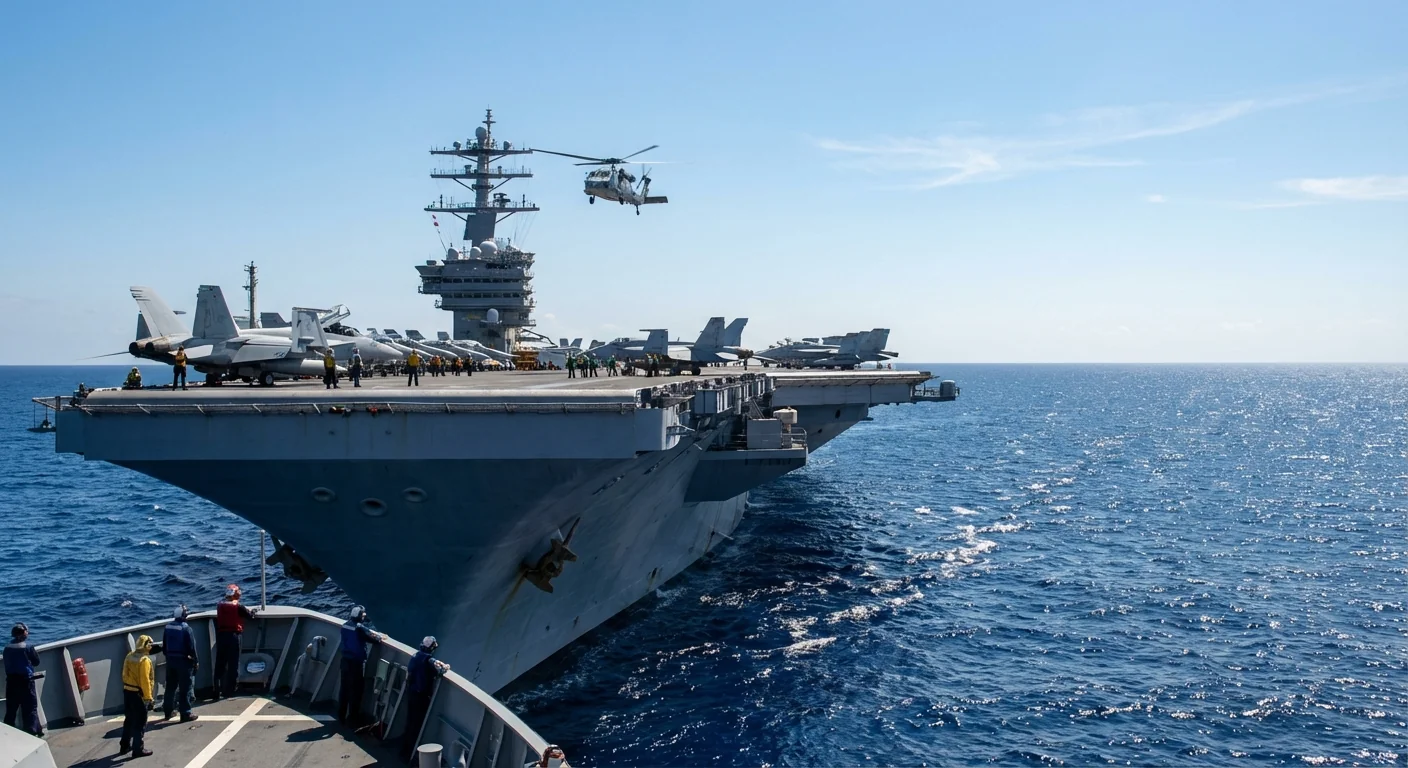
The Lincoln, a Nimitz class, nuclear powered carrier, is conducting live fire training with its air wing and escorts. The drills are taking place in international waters where China asserts sweeping claims. Those claims overlap with zones used by Southeast Asian nations. The Navy’s choice to train here is not accidental. It is a visible reminder that sea lanes remain open and that excessive claims do not close them.
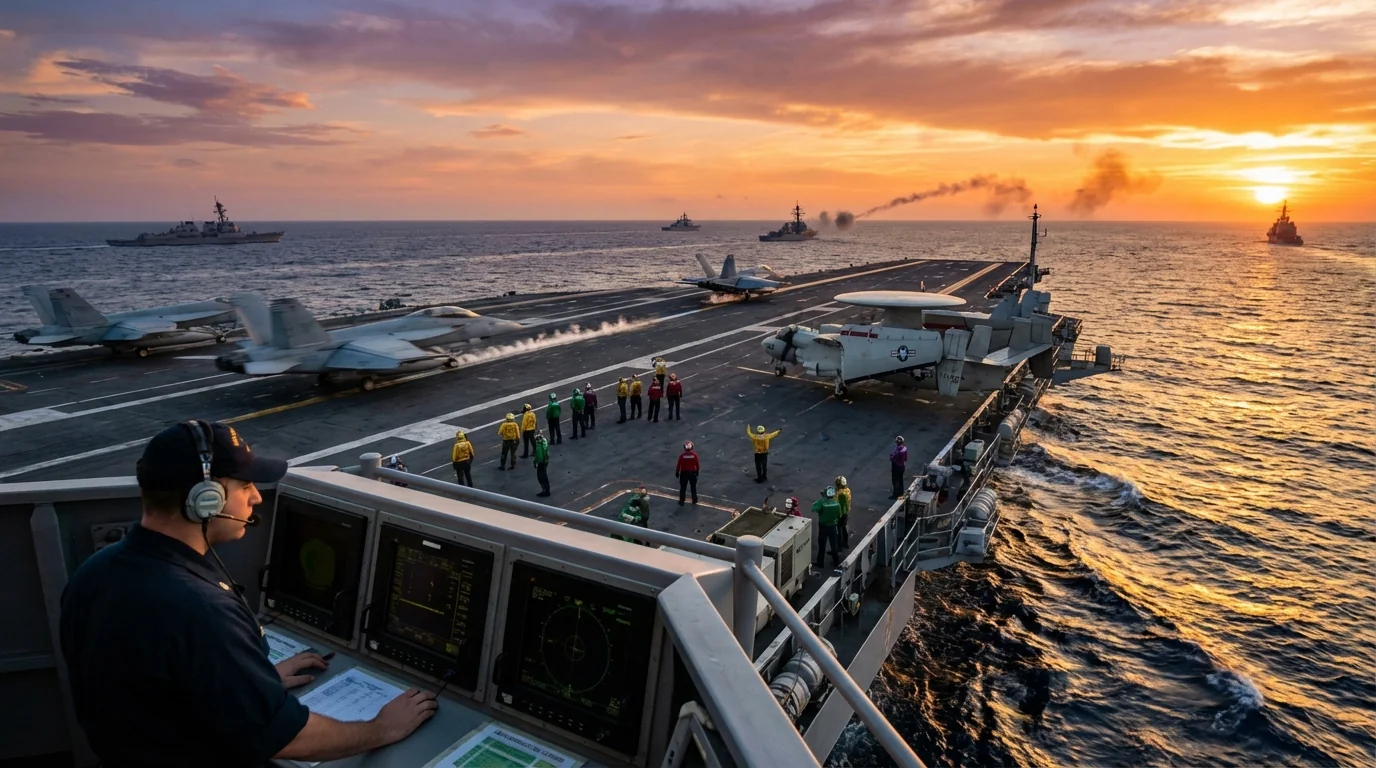
The exercises include gunnery and air defense practice. Carrier aircraft are flying and recovering in tight cycles. Escorts are tracking contacts and securing the training area. Live fire at sea requires strict safety zones, notice to mariners, and constant radio watch. That is happening now.
The law on the water
Under the law of the sea, states enjoy freedom of navigation and overflight in international waters. In an exclusive economic zone, a coastal state controls resources, not transit. Military ships can pass, train, and fly, so long as they show due regard for others at sea.
The United States has not ratified the UN Convention on the Law of the Sea. Still, it follows most of it as customary law. China has ratified the treaty, but asserts the nine dash line and related rights the treaty does not support. In 2016, an international tribunal rejected those broad claims in a case brought by the Philippines. China rejected the ruling. Many states, including the United States, treat it as persuasive authority.
This matters now. Live fire inside any state’s territorial sea would raise serious legal issues. That is not the case here. The Navy is training in areas that remain part of the global commons. It is also broadcasting hazard warnings, which is good practice and reduces risk.
Bottom line, training in an exclusive economic zone is lawful, if done with due regard. No state owns the high seas.
Policy stakes for Washington and Beijing
Washington is using the Lincoln to show presence, reassure partners, and deter coercion. The carrier does more than shoot. It speaks the language of policy. Presence means United States commitments are backed by capability. That matters to treaty allies in Japan and the Philippines, and to partners like Singapore.
Beijing will likely protest. It will frame the drills as a threat to sovereignty and stability. Expect radio challenges, close shadowing, and warnings from Chinese authorities. China’s coast guard and maritime militia often join that chorus. The risk is not the drills themselves. It is unsafe behavior around them.
For legal and policy watchers, here is what I am tracking next:
- Any Chinese notice asserting temporary closure of areas beyond lawful limits
- Diplomatic protests or navigation advisories that conflict with the law of the sea
- Changes to rules of engagement or safety protocols for intercepts
- Use of hotlines to manage encounters around the carrier
What this means for citizens
For Americans, the Constitution places war powers with Congress and the President. Routine deployments and training do not require new authorization. They do require oversight and transparency. Members of Congress should demand regular briefings on risks, near misses, and the rules meant to prevent escalation. Military families also deserve timely information on safety and rotation plans.
For regional fishers and merchant crews, rights are clear. They can operate, fish within their national zones, and sail through without harassment. All navies, including the United States and China, must show due regard and avoid dangerous maneuvers. If live fire areas or flight operations affect shipping routes, notices must be clear and temporary.
For businesses and travelers, watch maritime advisories and airline notices. Insurance and freight rates can shift when tensions rise. The law keeps sea lanes open. Policy choices can still inject friction.
If a notice claims an area is closed to innocent passage or transit passage, read the fine print. The law does not allow blanket closures of international straits or the high seas.
Misinformation thrives in tense waters. Trust official navigation warnings, embassy alerts, and verified maritime safety broadcasts.
The way ahead
The legal path is narrow but firm. The sea is open, and rights are shared. The policy path is harder. Both sides need guardrails. The United States and China have agreed to protocols for encounters at sea. They should use them. Hotlines should be active, and commanders should have clear authority to de escalate.
The Lincoln’s presence is a reminder of power, but also of law. Freedom of navigation is not abstract. It is the right of every shipmaster to plot a safe, lawful course. When great powers meet at sea, that right must hold. The drills will end. The rules must endure.