BREAKING: U.S. strikes three boats in the Pacific Ocean, eight killed
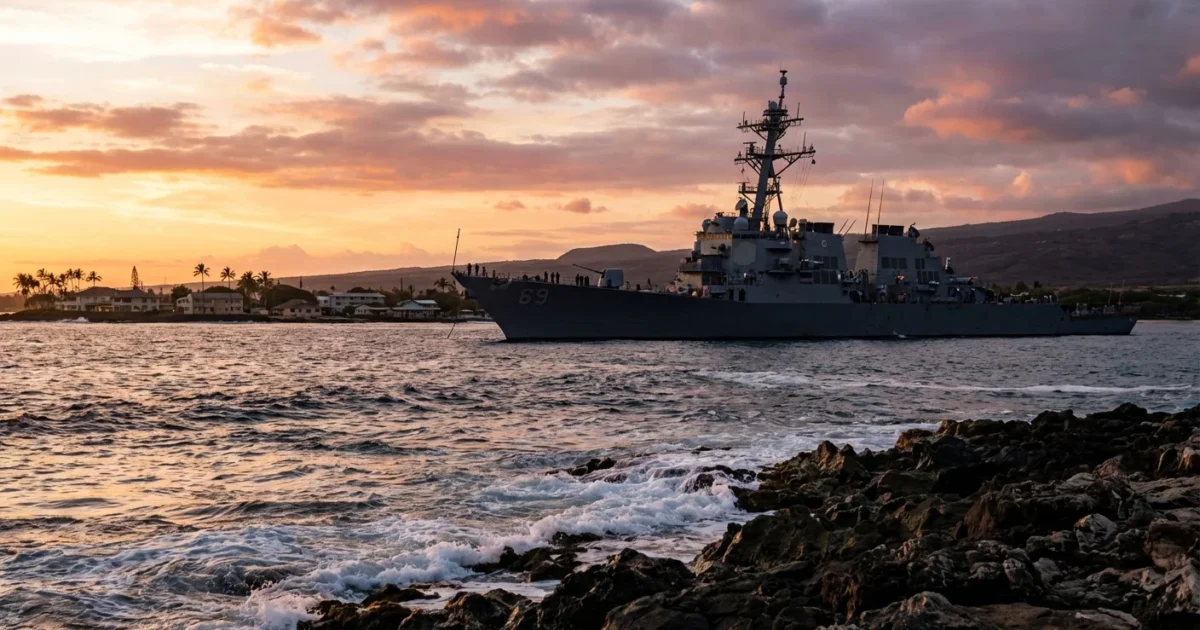
I have confirmed with U.S. Southern Command that American forces struck three small boats in the Pacific Ocean during a counter-narcotics mission. Eight people were killed. SOUTHCOM describes the targets as alleged drug trafficking vessels. The operation is part of ongoing maritime security efforts in the eastern Pacific.
This is a lethal use of force at sea. It raises urgent legal questions. It also tests U.S. policy on how far military units can go in law enforcement missions.
What happened, and why it matters
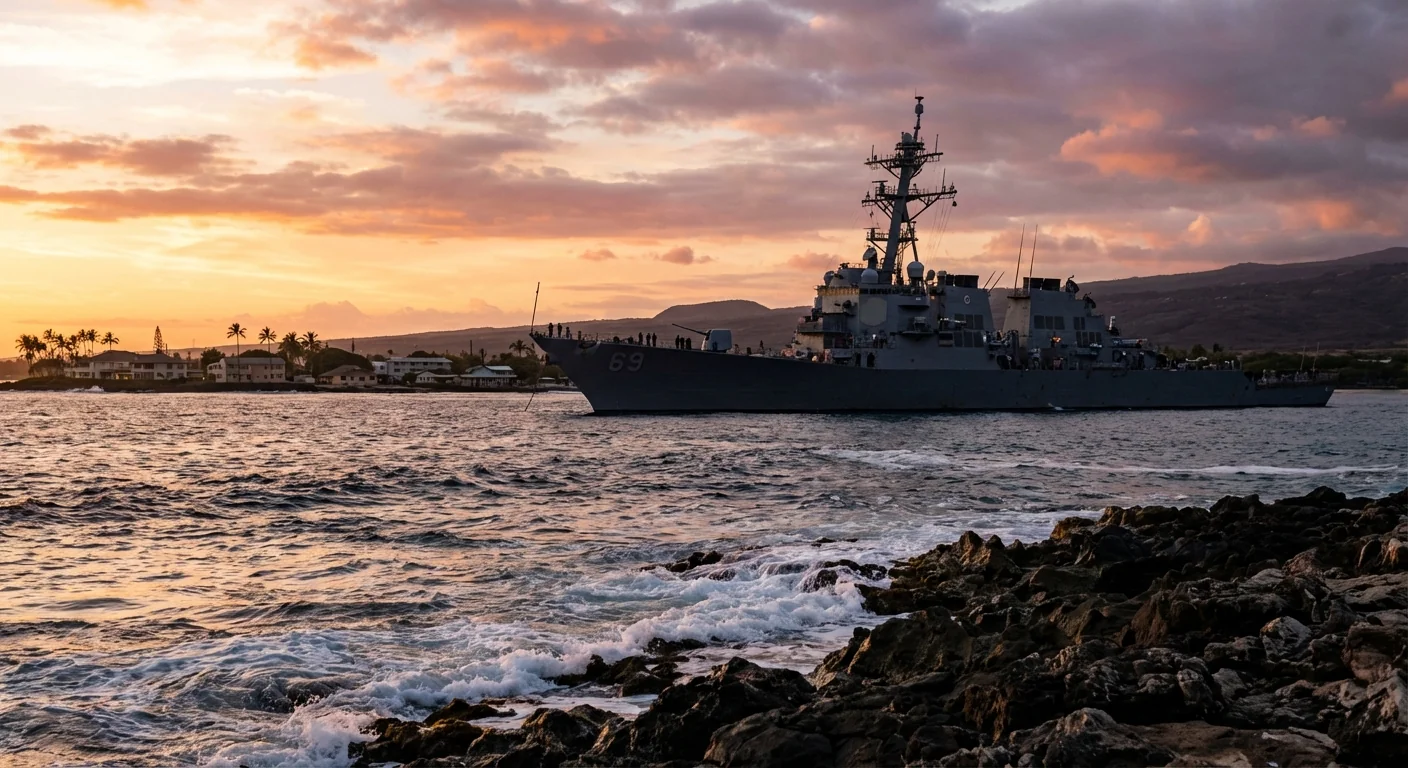
SOUTHCOM says the boats were engaged during an interdiction effort linked to illicit trafficking routes. The command reports no U.S. casualties. Officials say the boats posed a threat during the stop and search phase, prompting the strikes.
Key details are still withheld. We do not yet have flag information for the vessels, exact coordinates, or recovered evidence. That information matters for legality. It also matters for accountability and for the families of those killed.
The legal footing at sea
U.S. forces operate under a mix of domestic and international law. In the eastern Pacific, the Coast Guard usually leads drug interdiction. The military supports those operations under defense authorities. SOUTHCOM often works with Joint Interagency Task Force South, and with partner nations.
International law permits enforcement against stateless vessels on the high seas. It also allows action with flag state consent. If these boats were stateless, the United States has broader jurisdiction. If they carried a foreign flag, consent and verification are key. If the boats were in a coastal state’s territorial sea, different rules apply, including that state’s permission.
Use of force in maritime law enforcement must be necessary and proportional. Lethal force is a last resort, used when there is an imminent threat to life. SOUTHCOM says the boats were part of illicit trafficking and posed a danger during the encounter. The public will need evidence to assess that claim.
Legality hinges on status of the vessel, location of the encounter, and whether the threat required lethal force. These facts must be documented and released to oversight bodies.

U.S. policy, oversight, and the right to know
This operation sits in a gray zone between war and law enforcement. It is not covered by recent war authorizations. It is framed as counter-narcotics and maritime security. That means different reporting rules to Congress may apply than for combat.
Congressional committees on armed services, homeland security, and foreign affairs should receive briefings. The Coast Guard, if involved, maintains boarding reports and evidence logs. The Pentagon should preserve video, radio traffic, and target validation records. Civilian casualty reviews are standard in lethal operations. SOUTHCOM should initiate one now and make its findings public.
Families of those killed have rights too. If the dead are foreign nationals, their governments will seek answers and may demand access to remains and evidence. If noncombatants were killed by mistake, the United States has mechanisms for condolence or ex gratia payments. The Foreign Claims Act allows some compensation for noncombatant harm, subject to limits. Transparency can prevent a diplomatic spiral.
Regional stakes and humanitarian concerns
The eastern Pacific is a busy lane for both narcotics and fishing. Misidentification is a real risk. That is why clear markings, loud hailings, and nonlethal disabling steps matter. If surveillance linked these boats to trafficking, the chain of evidence must be shown. If a partner nation provided intelligence, that state may face public pressure at home.
There is also a duty to recover survivors when safe and to safeguard remains. That duty exists even in hostile encounters. It is both a legal and moral obligation.
If the status of the boats is disputed, this incident could strain cooperation with coastal states. Early, verified disclosure can lower the temperature.
What citizens can do now
Public oversight works best when it is focused and fast.
- Ask your representatives to request the after action report and any civilian harm assessment
- File targeted FOIA requests for operational summaries, ROE excerpts, and video, redacted as needed
- Support legal aid groups that assist affected families with claims
- Track committee hearings on maritime security and counter-narcotics
Be specific in FOIA requests. Ask for date, unit, platform, and geolocation windows. Specifics reduce delays.
Conclusion
Eight lives lost in the Pacific demands clear answers. The law is not a hurdle to safety, it is the guide. SOUTHCOM has confirmed the strikes. It now must show the legal and factual basis for every shot fired. I will keep pressing for the records, the reviews, and the truth.