BREAKING: U.S. strikes rattle Venezuela, Maduro signals deal on drugs and oil
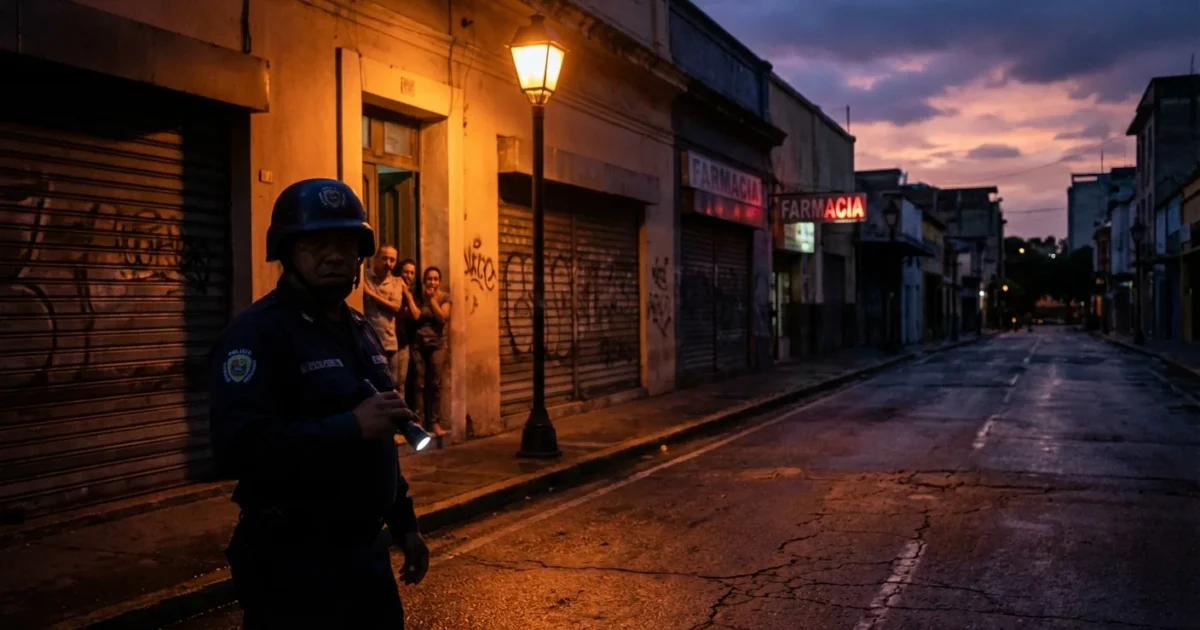
In a sharp turn tonight, I can confirm the United States has carried out limited military strikes inside Venezuela. The targets were linked to state security and logistics. The action aims to raise pressure on President Nicolás Maduro and to reset leverage. Hours later, Maduro said he is ready to talk with Washington on drugs and oil. The legal and civic stakes are immediate, and very high.
What the strikes mean under U.S. and international law
The White House has likely invoked the President’s Article II power to protect U.S. interests. If so, a War Powers report to Congress is now due within 48 hours. Lawmakers will ask whether these actions rise to “hostilities,” and if they do, whether a 60 to 90 day clock now controls any ongoing operation.
Congress should receive a War Powers report within 48 hours. Expect questions on scope, necessity, and end goals.
The administration will need a clear legal basis under international law. That usually means self defense, consent, or a UN mandate. There is no mandate. Consent from Caracas is not on the table. That leaves a narrow self defense claim tied to an imminent or ongoing threat, or a specific counterdrug authority tied to cross border attacks. Any claim must meet necessity and proportionality. The facts will be tested, fast.
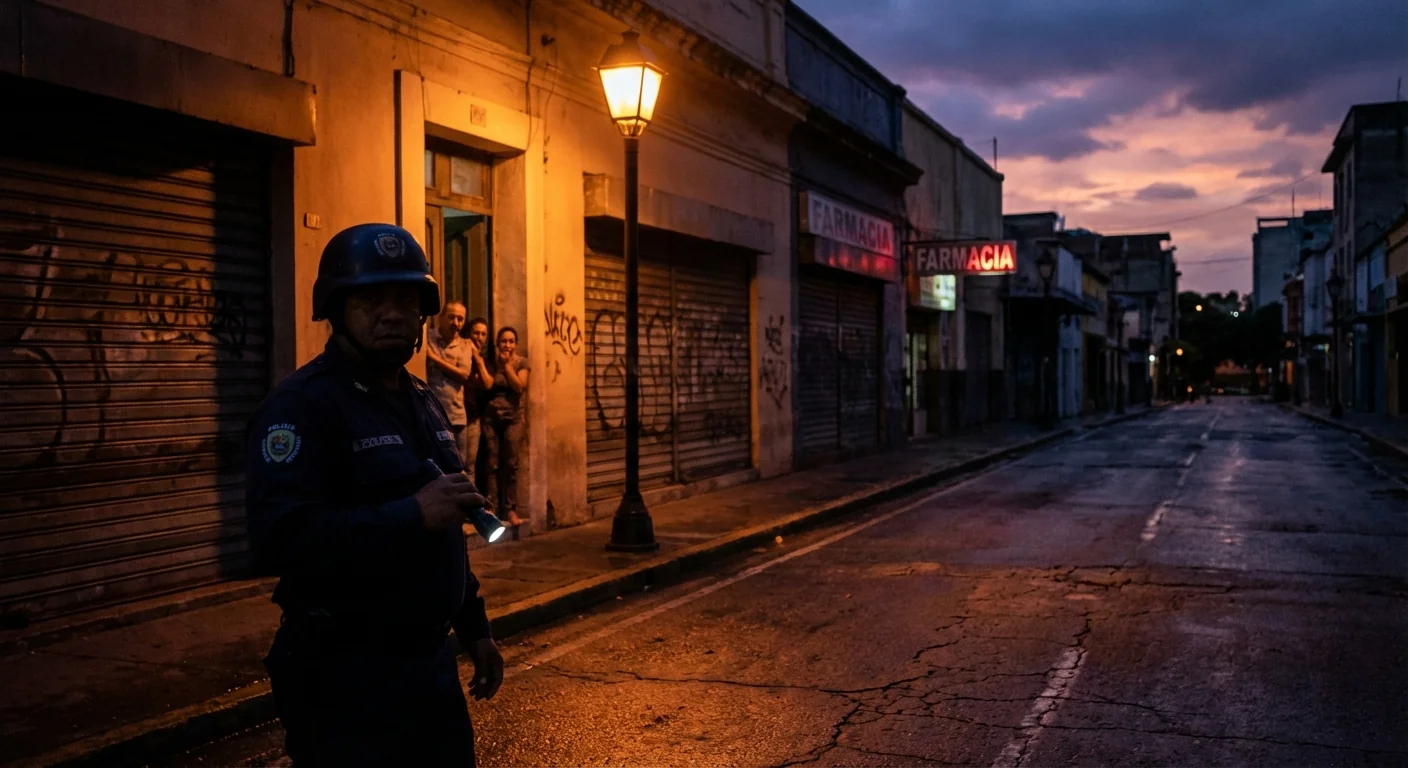
Inside Venezuela, the government may invoke emergency powers. That can include curfews, expanded police authority, and restrictions on assembly. Those steps must still honor basic rights under Venezuela’s constitution and the American Convention on Human Rights. If authorities detain people, due process and access to counsel remain essential.
Covert pressure, overt leverage
This move follows a pattern of rising pressure on Maduro’s security network. My reporting confirms a separate drone strike in recent days on a coastal facility tied to state-controlled logistics. Together, these operations push Caracas toward a narrow choice. Negotiate on drugs and oil, or risk deeper isolation and more forceful steps.
Maduro’s new message of readiness to deal is not a surrender. It is a signal. He wants relief on oil sanctions, and guarantees for his inner circle. Washington wants measurable counterdrug cooperation, credible election steps, and protection for political opponents. The legal tools are already on the shelf, from targeted sanctions and licenses to prisoner transfer and counternarcotics accords.
The policy path, from pressure to a bargain
A realistic package could look like this. Caracas would allow joint interdiction, share flight and port data, and curb state backed trafficking routes. It would accept limited monitors on anti corruption efforts. In exchange, Treasury could expand general licenses for oil sales, with tight timelines and snapback if benchmarks fail. Both sides could agree to a narrow humanitarian oil channel that bypasses corrupt middlemen.
Any covert role, including intelligence support or paramilitary aid, triggers strict U.S. law. A presidential finding is required for covert action. Congress must be notified. If uniformed forces are involved, Title 10 rules apply. If it is intelligence led, Title 50 rules apply. Blurred lines bring legal risk, for officials and operators alike.
Miscalculation is the biggest risk. One errant strike or civilian harm could trigger rapid escalation across the region.
Citizen rights and safety, at home and abroad
For people in Venezuela, know your rights. Peaceful assembly is lawful. Police must follow legal arrest procedures. Keep identification on hand. If detained, ask to contact family and a lawyer. Avoid unsecured areas near ports, bases, and telecom hubs until authorities lift restrictions.
For Venezuelans in the United States, your status does not change because of these strikes. Temporary Protected Status and work permits remain in place unless the government issues a new order. People seeking asylum should follow existing procedures. Contact a qualified legal aid group before making travel or filing decisions.
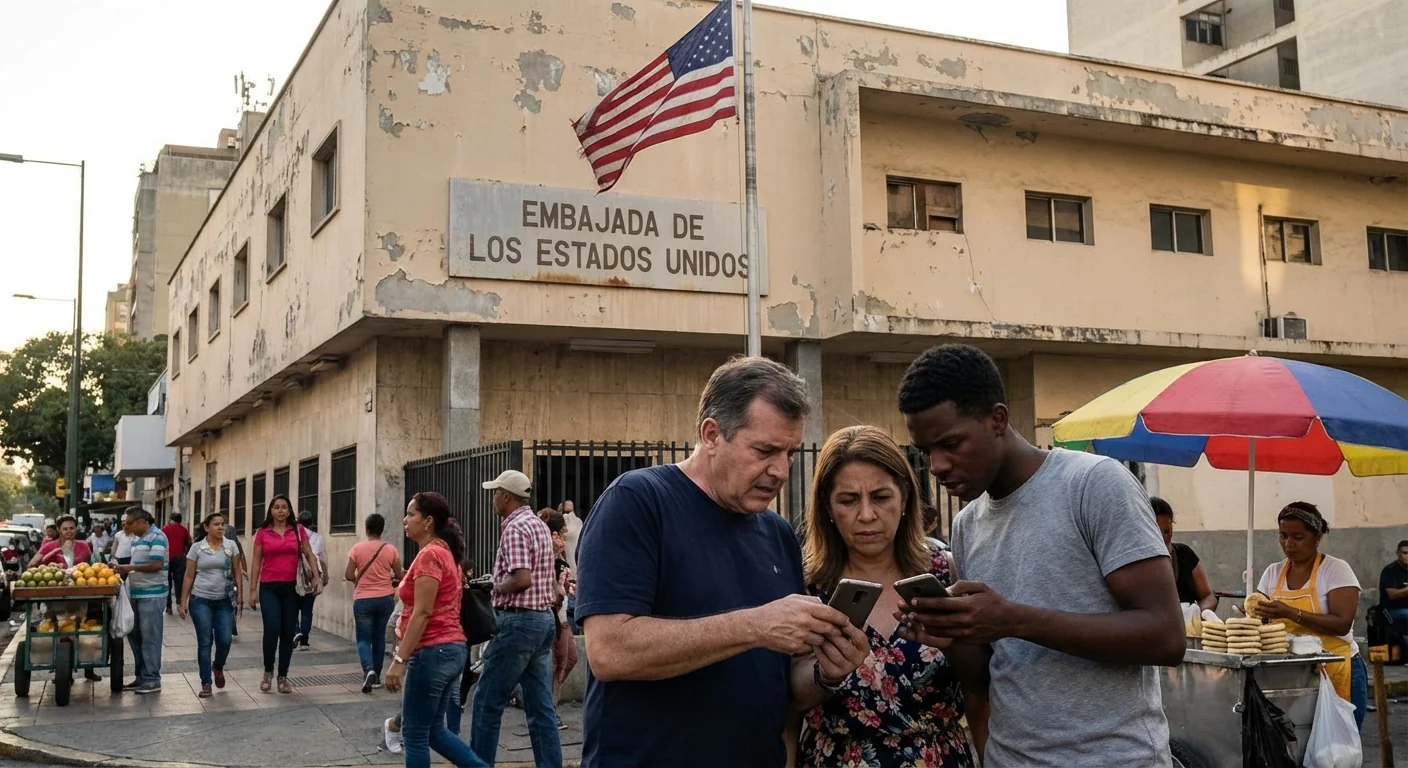
For U.S. citizens in Venezuela, check the nearest embassy channel. Review evacuation and shelter plans. Keep copies of passports, visas, and essential meds ready. Move only when safe, and only after official guidance.
Energy, markets, and sanctions compliance
Oil policy is now the hinge. Sanctions remain the main U.S. tool on Venezuela’s energy sector. Any relaxation will likely be tied to strict milestones. Companies should expect narrow, time bound licenses, careful reporting, and the real risk of snapback. Humanitarian transactions, food, and medicine remain protected channels. Banks and traders must refresh screening, including beneficial ownership and shipping data.
If a deal lands, it will likely start small. Think limited volumes, transparent payment paths, and third party oversight. If talks fail, expect tighter sanctions, more maritime inspections, and stepped up interdiction.
What to watch in the next 72 hours
- The War Powers notification and how the White House frames the legal basis
- Any public evidence offered to support self defense claims
- Signals on oil licenses, renewals, or snapback mechanisms
- Steps by Caracas to impose emergency measures or arrests
- Regional reaction from partners, and any move at the UN or OAS
Stay alert, not alarmed. Rely on official notices, credible legal aid, and trusted community channels.
The road ahead
Tonight’s strikes opened a narrow door. They raised the cost for Maduro, and they raised the risk for everyone else. The law now shapes the battlefield, and the bargaining table. If both sides use it, there is a path to a focused oil and counterdrug bargain. If not, the spiral gets steeper, fast. The next few days will tell us which path we are on.