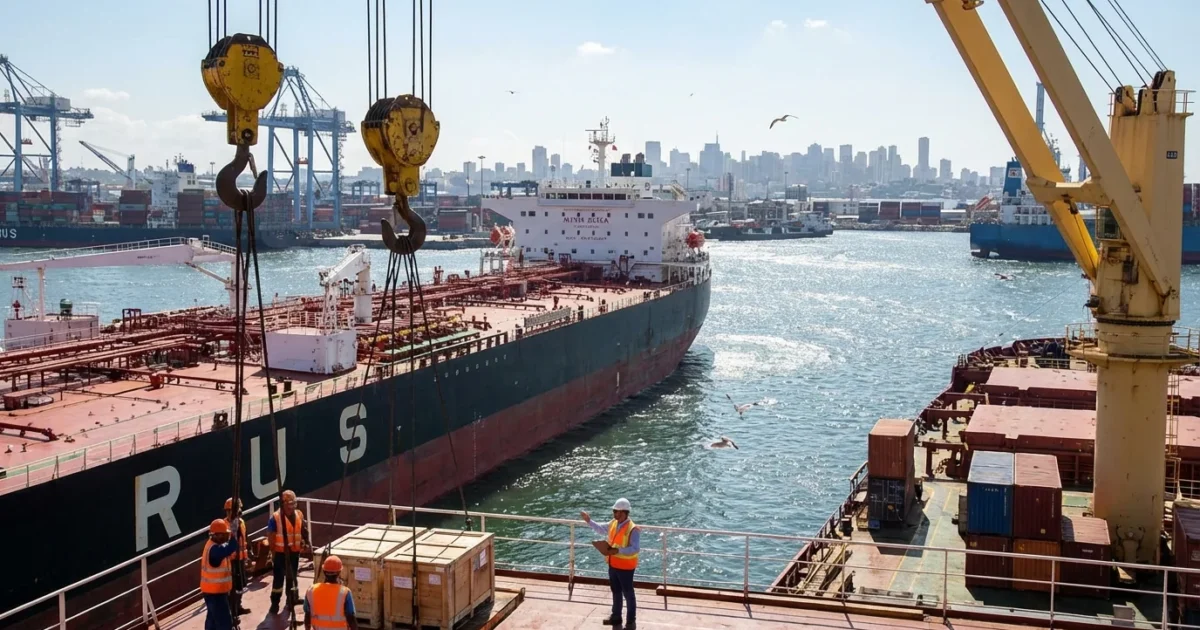
A Russian oil tanker is now the center of a high stakes legal and naval showdown. U.S. authorities have seized multiple ships tied to Venezuelan oil. One is Russian flagged. In response, Russia has sent a submarine to escort another tanker that the U.S. tried to take near Venezuela. This is more than a maritime chase. It is a test of sanctions law, jurisdiction, and the safety of global trade.
What happened at sea
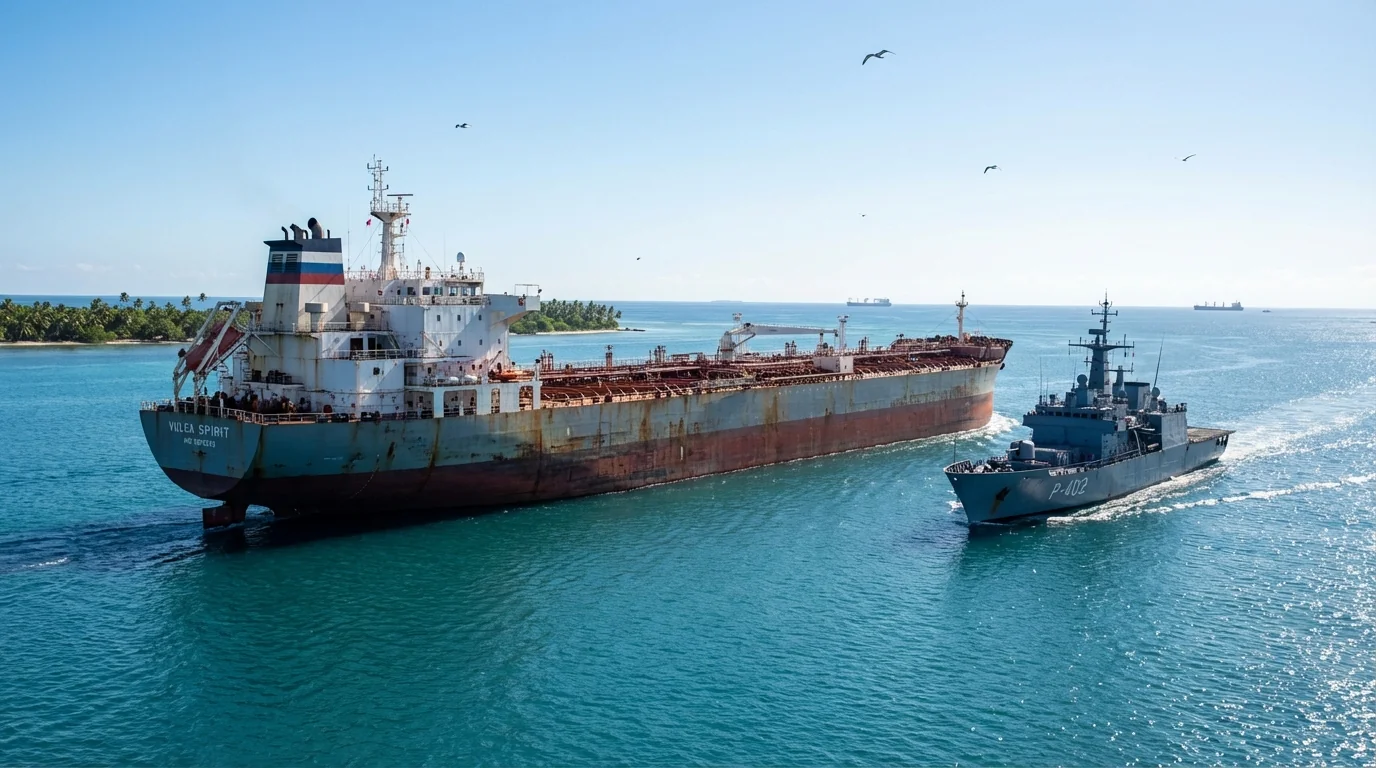
Federal agents executed new seizures tied to Venezuelan crude. These actions target shippers and financiers accused of helping Venezuela bypass U.S. sanctions. A Russian flagged tanker was detained under a U.S. warrant. At the same time, a Russian submarine appeared off the Caribbean to shadow a tanker linked to earlier U.S. enforcement. That deployment signals a harder line on the water.
These moves raise real risks. Ships may reroute. War risk premiums may rise. Port authorities in the region are now on alert for process servers and federal writs.
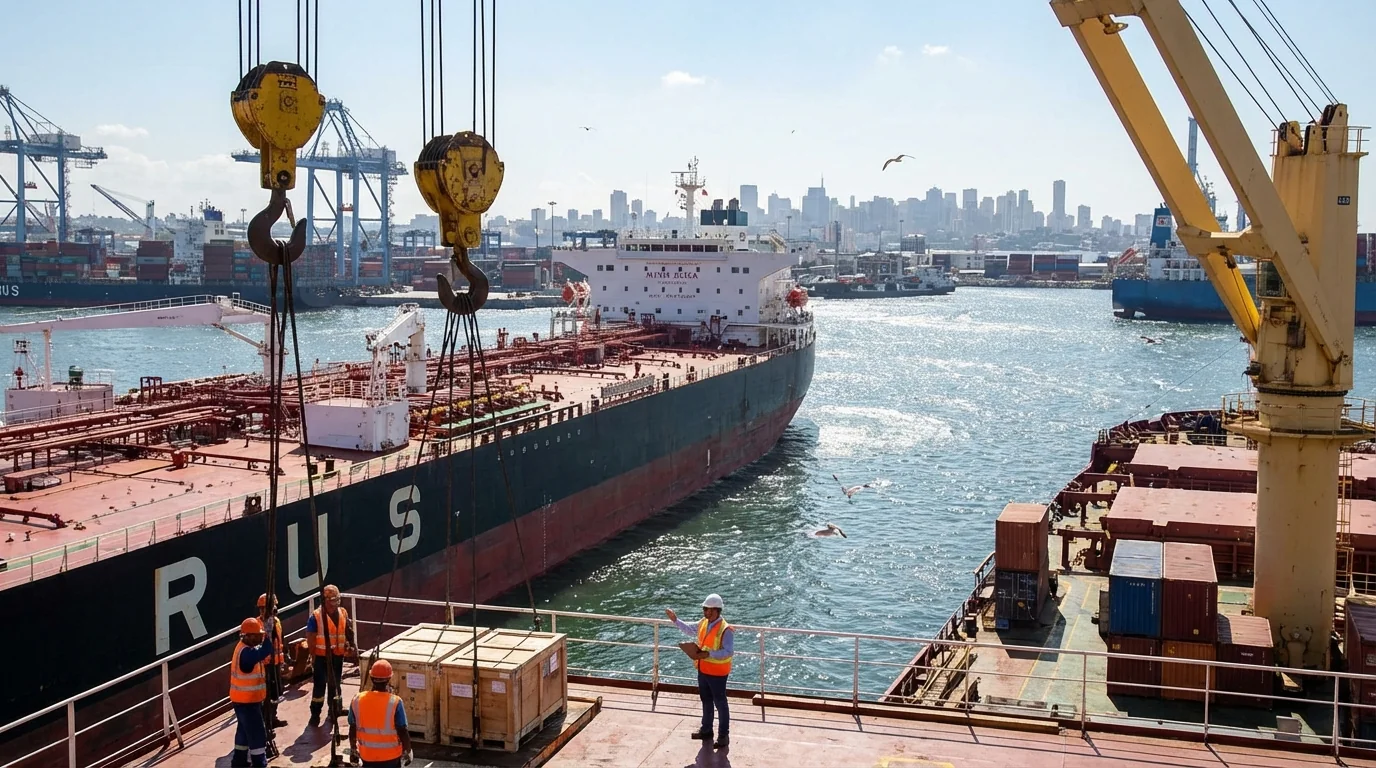
A misstep at sea could turn a legal action into a military incident. Clear rules, tight comms, and restraint are vital.
The legal backbone
The U.S. is leaning on its sanctions laws, especially the International Emergency Economic Powers Act. Sanctions on Venezuela cover its state oil firm and networks that move its crude. If U.S. officials can show a ship moved sanctioned oil through U.S. banks, or used U.S. services, they can seek forfeiture. That case runs in a U.S. district court, in rem, against the vessel or the oil.
Here is how it usually works. Prosecutors present evidence of sanctions evasion. A judge issues a seizure warrant. If the ship enters a friendly port, or waters where the order can be served, marshals and local partners act. The owner can file a claim, demand a hearing, and argue the facts.
Owners have constitutional rights in these cases. They get notice, a chance to be heard, and access to counsel. Crews have rights too. They deserve safe treatment, pay, and repatriation if the ship is detained. Consular access should be prompt if there are arrests.
U.S. jurisdiction often turns on dollar payments that clear through U.S. banks, even if the voyage never nears U.S. shores.
High seas rules and a submarine escort
International law puts primary control of a ship on its flag state. On the high seas, other nations have limited rights to board. Without consent, a UN mandate, or piracy grounds, boarding is rare. The U.S. has avoided that problem by using port seizures and court process. The Russian submarine complicates this playbook. An armed escort can deter boarding by third states. It also raises the stakes for any coastal nation that might assist a U.S. warrant.
Maritime insurers are already modeling the risk. A naval escort near congested lanes can trigger higher premiums. Tankers may choose longer routes, which can lift fuel prices. Caribbean states will face hard choices, sovereignty versus cooperation with U.S. writs. Port state control will now double check bills of lading, STS transfers, and AIS gaps.
Energy and trade ripple effects
Even small disruptions matter. Sanctions squeeze supply at the margins. A diverted tanker or delayed offload can move spot prices. Consumers may not see an immediate spike, but refiners will feel it first. If insurers attach war risk surcharges, freight costs rise. That filters down to pump prices in weeks.
What this means for your rights and obligations
If you own or operate vessels, compliance is now a front line duty. Map cargo origins, counterparties, and payment rails. Keep clean audit trails. If you are a mariner, know your rights if detained. Ask for your flag state representative and consular contact. Document every step.
For citizens, oversight is key. Seizures done under emergency powers deserve scrutiny. Congress can request documents, question the scope, and guard against overreach. Courts remain the check. Due process must not sink under geopolitical waves.
- Travelers and crews should review government advisories for Caribbean ports
- Importers and refiners should review sanctions screening and marine insurance terms
- Community groups may invoke public records laws to track enforcement impacts
If your goods or job depend on marine routes, talk to your insurer now. Ask how a listed voyage would be priced this month.
What to watch next
Expect new designations of shipping firms and brokers accused of shell games. Look for arrest warrants that target cargo, not just hulls. Caribbean partners may announce new rules for ship-to-ship transfers and AIS use. A federal court docket could reveal the affidavit that underpins the latest seizure. Russia’s naval posture will be the wild card. A close pass or radio standoff could shake markets in a single afternoon.
This story shows how law travels. A sanctions clause written in Washington can redirect a ship off Curaçao. A court stamp can move millions of barrels on paper, then at sea. The next days will test whether legal tools can bite without breaking the peace. Stay tuned, and stay informed.