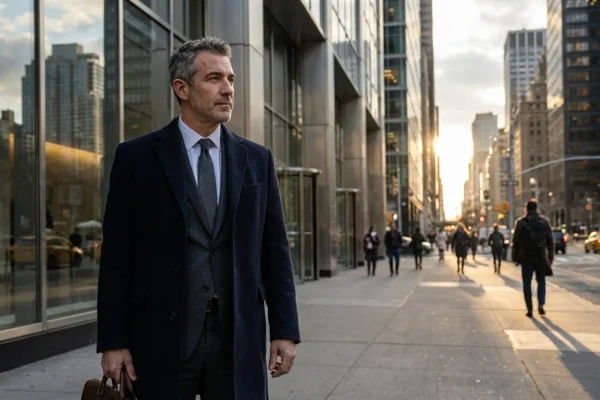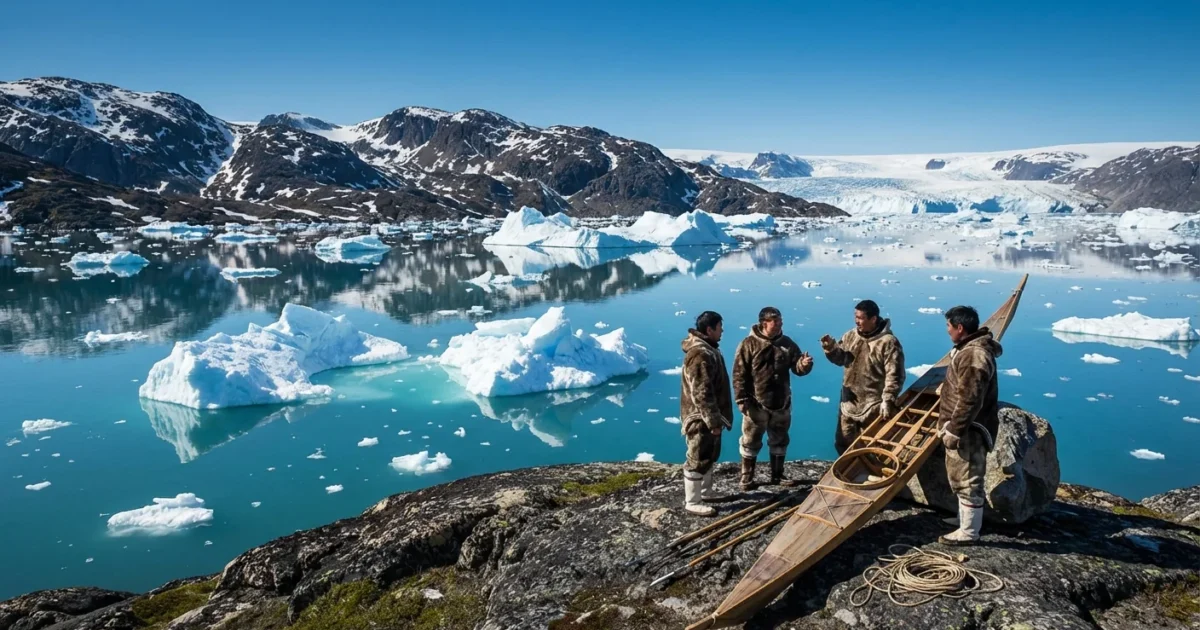
Breaking: U.S. Envoy Says Goal Is To Make Greenland Part Of America
A newly appointed U.S. envoy has declared that his mission is to make Greenland part of the United States. The statement landed like a legal thunderclap. Denmark and Greenland pushed back within hours. They called the idea a violation of sovereignty and a nonstarter under international law. I can confirm the rebukes were swift, clear, and coordinated.
The remarks reopen a dispute most thought was closed in 2019. They also raise hard questions about U.S. Arctic strategy, treaty law, and the rights of Greenland’s people. This is not a casual policy notion. It touches the core rules that keep borders stable. ⚖️
What The Law Actually Says
Greenland is an autonomous territory inside the Kingdom of Denmark. It has deep self-rule under its Self-Government Act. Greenland controls most internal matters, including natural resources. Denmark retains defense and foreign affairs unless Greenland chooses full independence in a lawful process.
International law is plain. Borders cannot be changed by pressure or unilateral moves. Any attempt to annex Greenland without free consent would be illegal. It would breach the UN Charter. It would also violate the principle of self-determination, which protects the choice of the people who live there.
Unilateral annexation would violate sovereignty rules and invite serious diplomatic consequences.
On the U.S. side, there is no shortcut. The Constitution requires a treaty or equivalent legal act with the other state. The Senate would need to consent. Congress would need to establish territorial status or statehood. Courts would review any challenge. None of that can happen without Denmark and Greenland saying yes.
Policy Fallout: Washington, Copenhagen, Nuuk
Danish officials are deeply upset. They view the envoy’s words as a direct affront to the Kingdom’s integrity. Greenland’s leaders are just as firm. They say any status change lies with Greenlanders, not foreign envoys. Those positions align with their laws and with past public statements.
In Washington, the comment puts Arctic policy under stress. The U.S. has a strong defense footprint at Thule Air Base. That presence rests on cooperation and agreements with Denmark and Greenland. Escalating rhetoric risks those agreements. It could chill NATO coordination in the High North. It could also complicate Arctic Council work on safety, climate, and research.
China and Russia watch every move in the Arctic. A legal fight over Greenland’s status would hand them talking points. It could spur countermoves near key sea lanes and resource zones. That is why process matters. So does respect for partners.
Citizen Rights Are Central
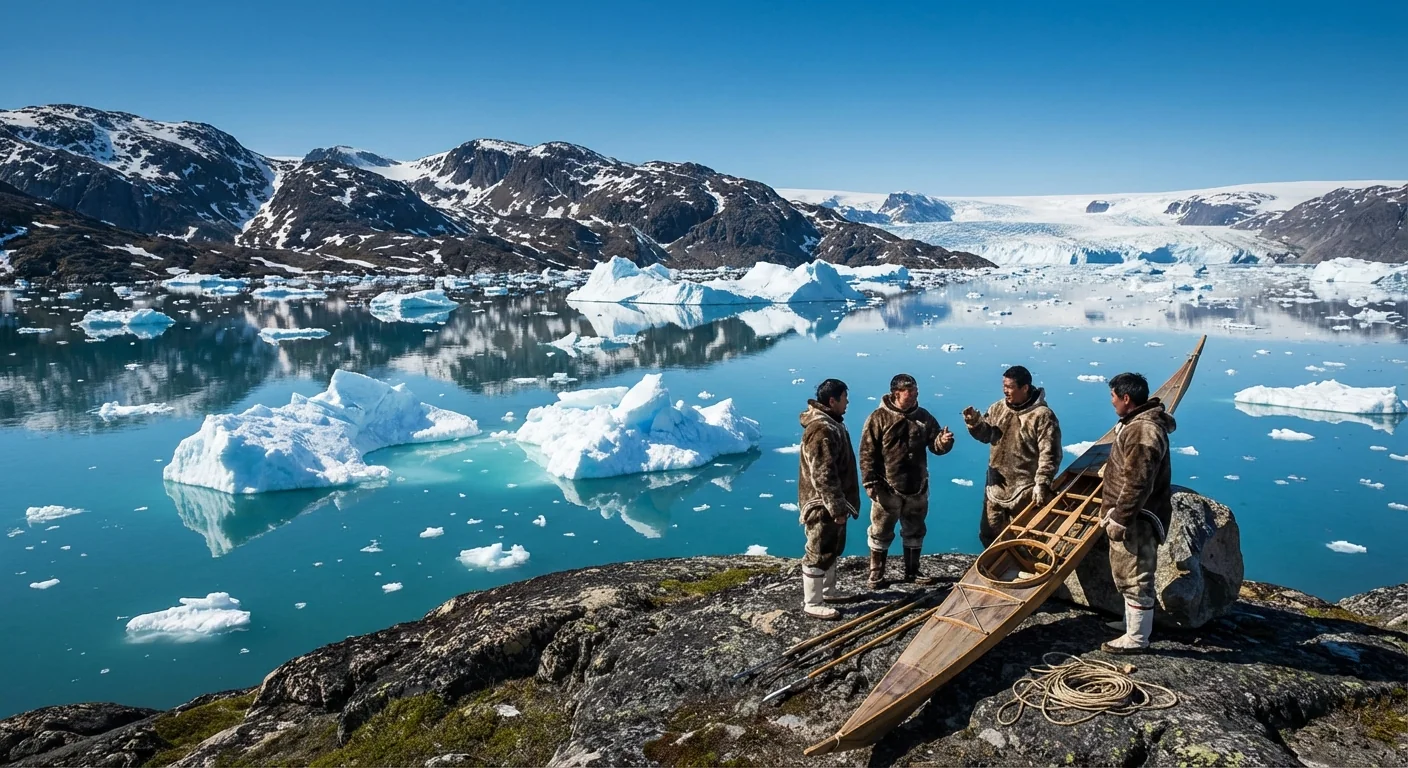
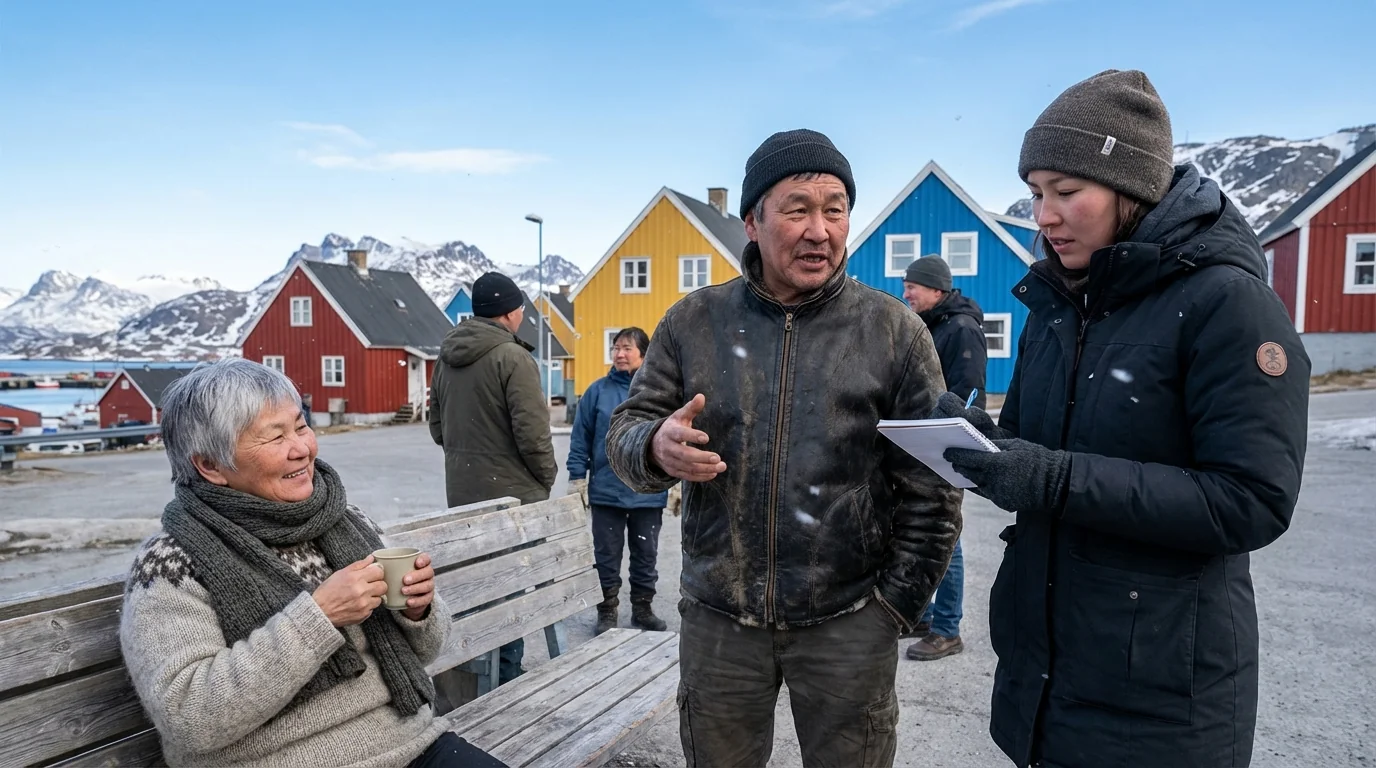
Greenlanders are Indigenous and overwhelmingly Inuit. Their right to decide their own future is protected in Danish law and by international norms. Any legitimate change would require a clear, free, and informed vote by Greenlanders. It would also require action by the Danish Parliament. Without both, the issue is closed.
If, one day, Greenland and Denmark invited talks, hard questions would follow. What would happen to nationality and social benefits. How would land, minerals, and fisheries be managed. What about language, education, and cultural protections. These are not side issues. They are the heart of self-government.
Greenlanders hold the key. Any status change starts and ends with their consent in a lawful vote.
What It Would Take, Legally, If Parties Agreed
If Greenland and Denmark chose to explore a change, the pathway would be staged and public:
- A Greenlandic referendum with clear wording and neutral rules
- Danish parliamentary action to authorize negotiations
- A negotiated treaty setting terms, rights, and timelines
- U.S. Senate consent and U.S. legislation for territorial status
- Court-ready safeguards for Indigenous, land, and resource rights
Even with consent, this would take years. Each step would face scrutiny at home and abroad.
The Bottom Line
The envoy’s promise collides with law and with reality. It also risks undermining the very cooperation that keeps the Arctic stable and the U.S. secure. America’s interests in Greenland are real. Defense. Science. Climate. Trade. Those interests are best served by respect for sovereignty, sober diplomacy, and the consent of the people who live there.
The story tonight is not a deal in motion. It is a reminder that the rules still matter. Words from one envoy do not change borders. Only law, consent, and votes can do that.