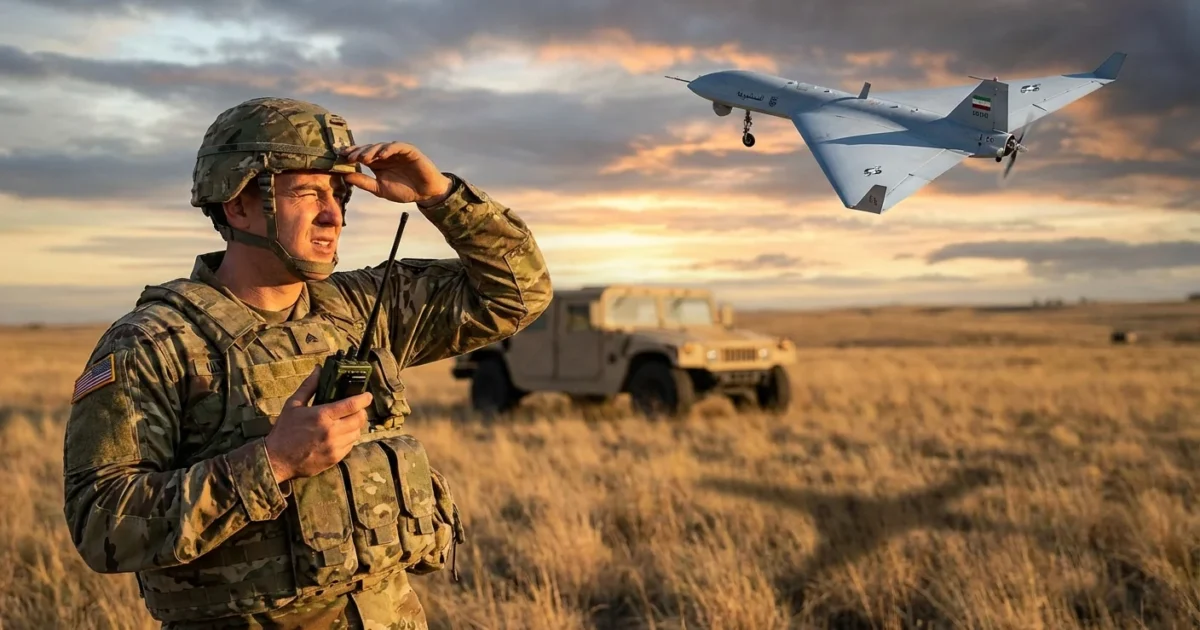
Breaking now: U.S. forces have shot down an Iranian drone. The intercept came during a tense day for U.S. Iran relations. Diplomacy is wobbling, yet both sides keep talking. I am tracking the legal, policy, and civic stakes as they shift in real time.
What we know right now
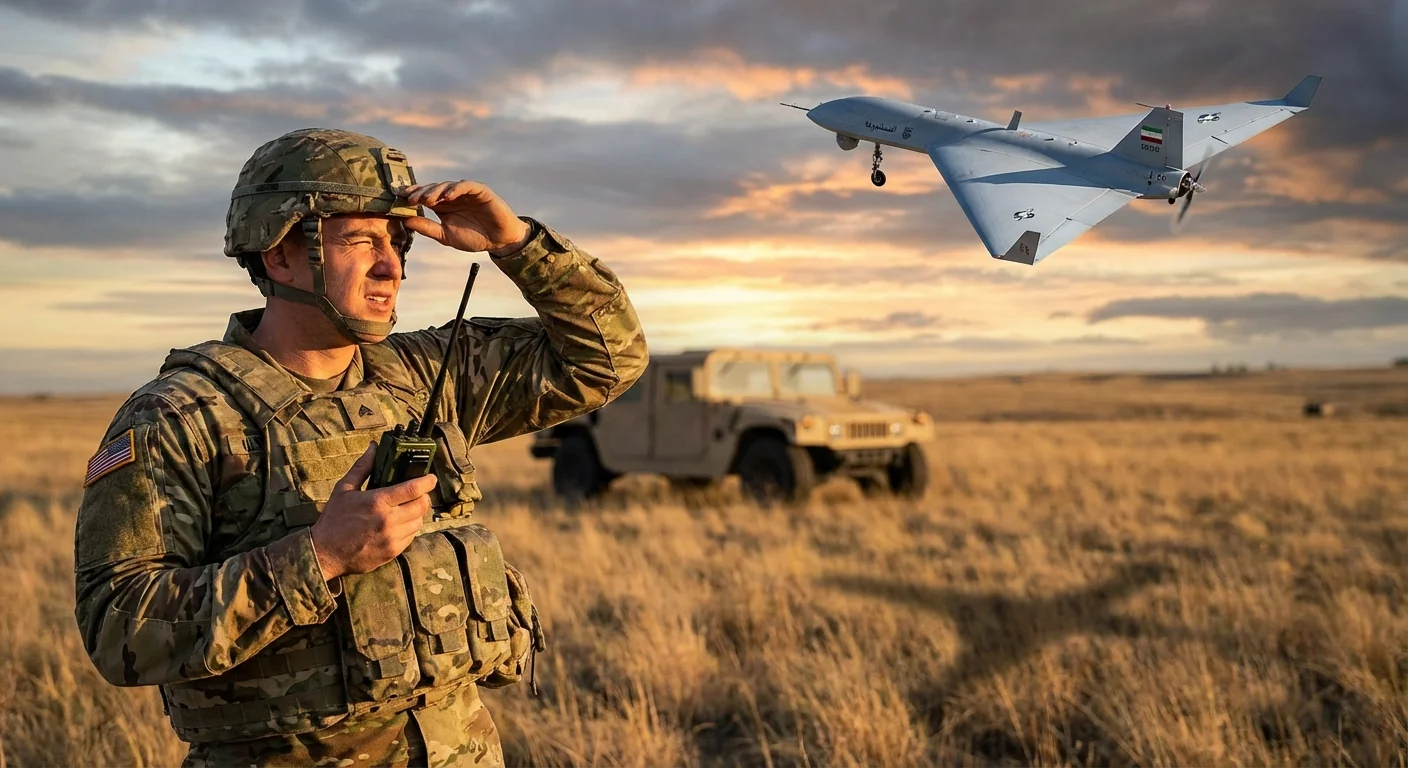
A U.S. carrier group and a U.S. fighter jet engaged and downed an Iranian drone today. The military is still sorting out the location and intent. No U.S. casualties are reported at this hour. Tehran has not released a full statement. Washington is holding its line on deterrence and force protection.
Expect more details soon. Early facts often change. What matters tonight is the legal frame and the policy path that follows.
The risk of miscalculation is high. Small mistakes can pull both countries into a wider fight.
The legal stakes
This shootdown fits a gray zone pattern. Drones probe, test, and crowd U.S. forces. The law tries to keep pace. It demands clear answers on where, why, and how force was used.
International law
Under the U.N. Charter, the U.S. can act in self defense when an armed attack occurs, or to stop an imminent attack. If the drone posed a real threat, the intercept tracks the rules of necessity and proportionality. If it did not, the legal case gets weaker.
At sea, units have a right to defend themselves in international waters. Carriers are lawful targets only in war, which this is not. The key facts are distance, behavior, and warnings. Did the drone close in. Did it ignore calls to leave. Did sensors show a weapons load. These facts decide the legal story.
U.S. domestic law
The Constitution gives Congress the power to declare war. The President commands the military. The War Powers Resolution links the two branches. If U.S. forces enter hostilities, the President must notify Congress within 48 hours. Congress can then debate, fund, or limit action.
Iran is not covered by past war authorizations. The Executive often relies on inherent self defense of U.S. forces for discrete incidents. Even so, lawmakers will demand a classified briefing. They will want proof of threat, details on rules of engagement, and a plan to prevent spillover.
A timely War Powers notice is not optional. It is a core check in U.S. law during fast moving crises.
Policy choices, fast
The administration faces a hard balance. It must protect forces and ships. It must also keep a path open for talks. One intercept can be both deterrence and escalation at once.
Clear messaging helps. The U.S. can state the legal basis, the facts of the intercept, and the limits of any response. Back-channel lines can reduce the chance of a second clash. Regional partners will push for stability in the Gulf. They fear a price spike and shipping risks.
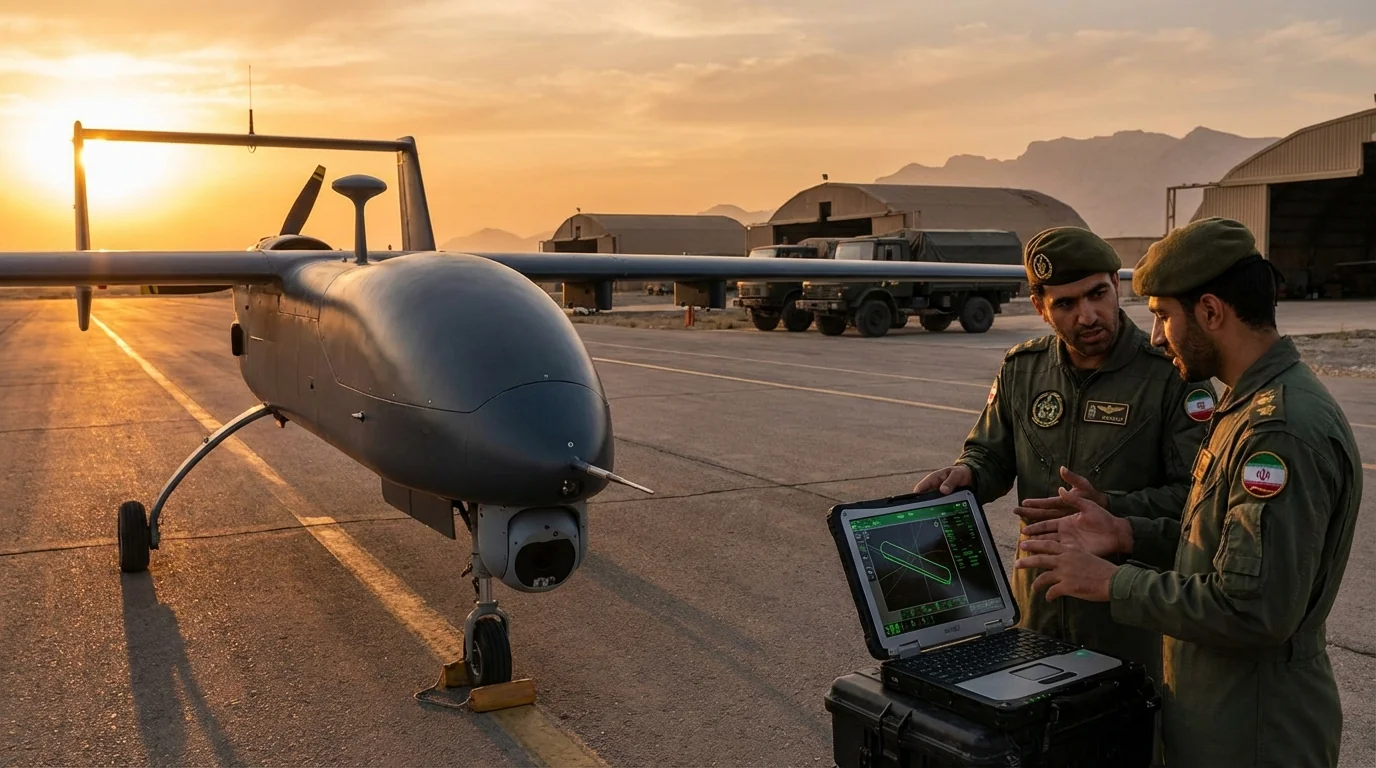
Expect moves on sanctions and export controls. Iranian drones fuel conflicts beyond the Gulf. Congress will eye tighter parts bans and more interdiction at sea. The Pentagon will review air defense posture, especially around carriers and key bases. More counter drone assets are likely to flow.
Citizen rights and what to watch
This is a national security story. It is also a civic one. Your rights do not shrink because tensions rise.
- The First Amendment protects peaceful protest and speech, online and in the streets.
- Federal law bars discrimination based on national origin. Iranian American communities deserve safety and respect.
- Travelers should watch State Department advisories. Airports may add screening. Your rights to counsel and to remain silent remain intact.
- You have a right to know. Congress owes the public an explanation of the legal and policy basis for force.
If you see harassment or threats tied to this news, report it to local law enforcement and civil rights hotlines.
Lawmakers should ask in briefings:
- Where did the intercept occur, and what warnings were issued.
- What made the drone a threat, and what evidence supports that.
- What rules of engagement applied, and what changes are planned.
- How the U.S. is de-conflicting with Iran to avoid further incidents.
What comes next
Deterrence is not a speech. It is a daily practice. Tonight, the U.S. claims the right to defend its forces. Iran will answer with its own claims. The space between those stories is where risk lives.
The law can lower that risk. So can steady policy and open channels. The public should insist on both. Clarity on the facts, clarity on the legal basis, and a clear plan to prevent the next flashpoint. That is how we keep this from becoming a wider war, while keeping our people safe. ⚖️