Blitz in Caracas: A lightning move upends power and law
A rapid security blitz has cracked open Venezuela’s power structure. Claims that Nicolás Maduro and his wife are in U.S. custody are racing through diplomatic and legal channels. The vice president, Delcy Rodríguez, has stepped forward, and the rulebook is now under stress.
What happened, and what the law demands next
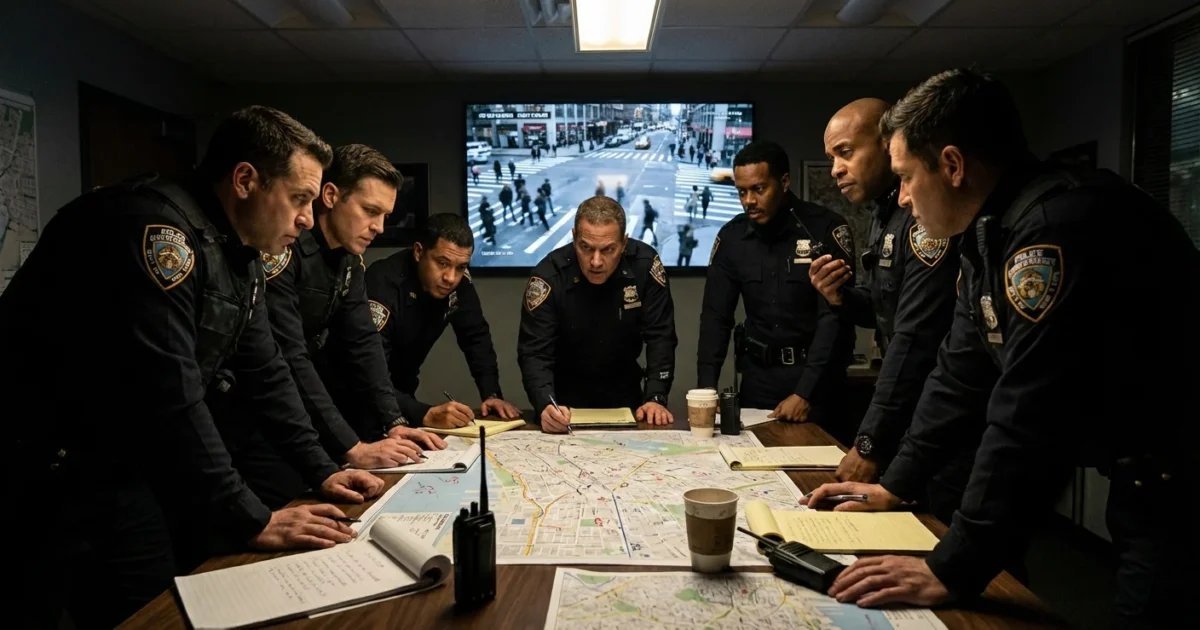
Overnight operations in the capital were fast and tight, a classic blitz built for surprise. Officials and lawyers are now parsing the line between force and law. If the president is absent or unable to serve, Venezuela’s 1999 Constitution triggers a clear chain of command. It points first to the vice president for a temporary handover. It then routes the crisis to the National Assembly and the Supreme Tribunal to confirm the path ahead.
Rodríguez now faces two tests. She must keep control inside the security forces. She must also show a lawful basis for every step, from curfews to press limits. Any step that restricts rights must be necessary, proportionate, and time bound. Courts should be open to review those moves.

Citizens keep their core rights during an emergency. You still have rights to due process, counsel, peaceful assembly, and access to information. Any limits must have a clear legal basis and narrow scope.
U.S. custody claims, jurisdiction, and immunity
If Maduro is in U.S. hands, due process starts at once. He must be presented before a federal judge without delay. He must have counsel and hear the charges. Any pending U.S. indictments, like narcotics or corruption cases, would set venue and procedure. A judge would examine how custody was gained and whether the court has jurisdiction.
Two questions loom. First, head of state immunity. Sitting leaders enjoy personal immunity for official acts under international law. If power lawfully shifted in Caracas, that immunity may weaken. Courts will weigh his status at the time of seizure and arrest.
Second, how the capture occurred. An arrest on Venezuelan soil by foreign operatives raises sovereignty concerns. The U.N. Charter protects territorial integrity. Without consent from Venezuelan authorities, such an operation would face legal fire. If there was consent from officials with lawful authority, the analysis changes.
Inside Washington, any covert action would require a presidential finding under the National Security Act. Congressional leaders must be notified. If U.S. forces were involved, the War Powers Resolution would trigger reporting duties. Failure to meet those procedures would invite court challenges and investigations.
Interim power, constitutional pathways, and citizen rights
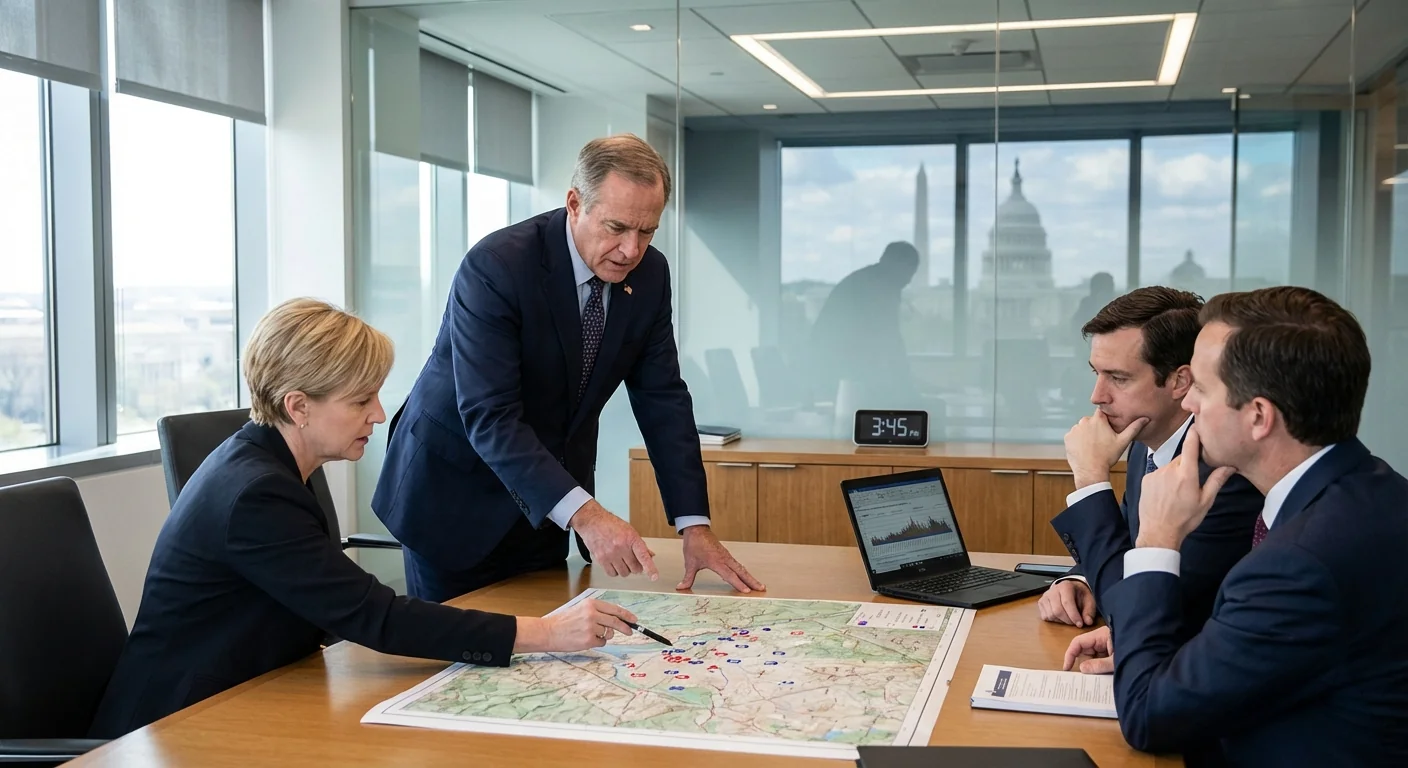
Venezuela’s Constitution provides three tracks.
- Temporary absence, the vice president acts for up to 90 days, renewable once.
- Absolute absence, the Assembly declares a vacancy, then calls a new election within 30 days.
- Disputed absence, the Supreme Tribunal may be asked to rule on control of the presidency.
Each track comes with checks. Any state of exception must be reviewed by the Assembly. Courts must stay open for habeas corpus. Security forces must follow necessity and proportionality rules. Lethal force is a last resort, and only to protect life.
For people on the street, the rules are simple. Peaceful protest is protected. Police must identify themselves. Detentions require legal grounds and prompt judicial review. Journalists may report from public places. Confiscation of equipment needs a warrant or clear exigency.
Expect checkpoints, curfews, and Internet slowdowns. Record badge numbers. Save offline copies of key documents. Use verified channels for legal aid and emergency alerts.
Foreign policy shock, sanctions, and recognition
The region now faces a recognition test. Governments must decide who speaks for Venezuela today. Recognition affects control of embassies, access to central bank assets, and standing in international courts. The Organization of American States may convene on the Inter American Democratic Charter. The U.N. Security Council could meet on peace and security risks.
Sanctions policy will move fast. If interim authority is recognized, targeted sanctions could shift, with new licenses to keep energy and humanitarian flows. If force was used unlawfully, countersanctions and condemnations could follow. Extradition issues may surface if Caracas demands the return of detainees, or if third countries were involved.
One more spark sits to the north. A high profile vow by former U.S. President Donald Trump to run Venezuela has sharpened scrutiny of U.S. intent. That makes process even more important. Lawful paperwork, transparent court filings, and public oversight will decide legitimacy in the days ahead.
What to watch in the next 72 hours
Courts at home and abroad will set the tone. We should see, quickly, a judicial confirmation of interim authority in Caracas. We should also see a federal magistrate hearing if custody in the U.S. is real. Watch for three documents, a presidential finding or congressional notice in Washington, an emergency decree in Caracas that cites constitutional articles, and a recognition statement from key regional blocs.
The blitz moved fast. The law now must move faster, and it must move in daylight. The only path out of this crisis is a lawful one, tested in courts, debated in legislatures, and visible to citizens. Eyes open. Rights intact. Institutions on the clock.