BREAKING: Confusion, claims, and a sharp turn in tone from Caracas are all colliding tonight. Talk of military strikes is growing, while President Nicolás Maduro says he is ready for “serious” talks with the United States. Here is what is verified, what is not, and what it means for law and policy.
What we know right now
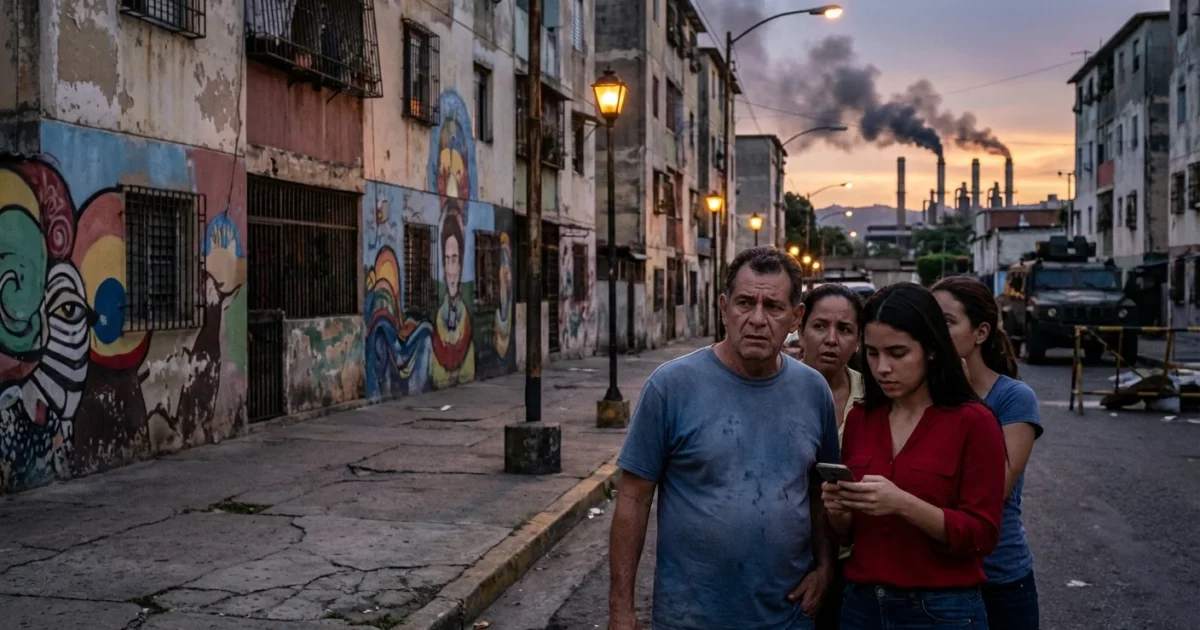
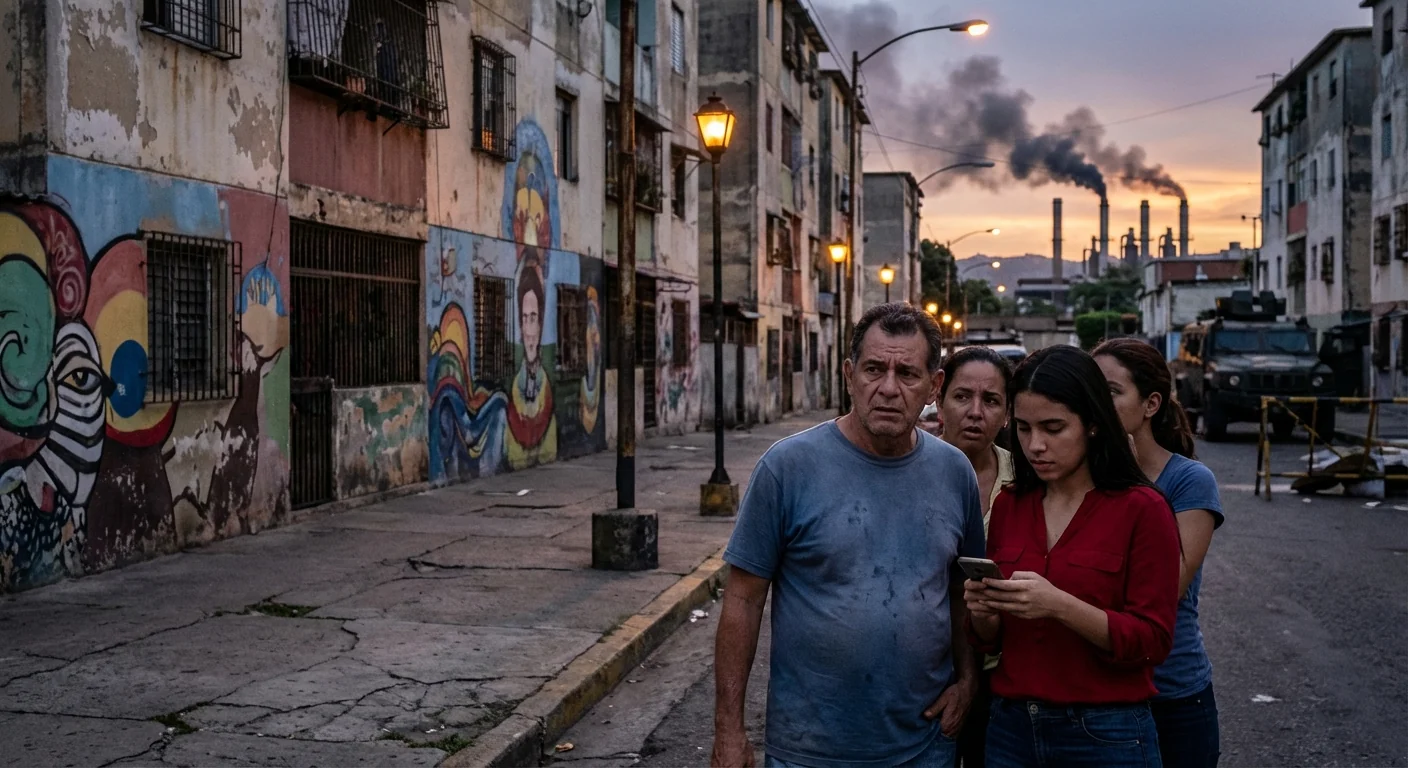
Reports of explosions and military activity inside Venezuela have surfaced. Officials in Caracas are speaking about strikes, but key facts remain unclear. At the same time, Maduro is publicly inviting Washington to sit down and negotiate on drugs and oil. The mix of force and diplomacy is unusual, and it has major legal stakes.
- Confirmed: Maduro says he is willing to hold serious talks with the United States.
- Confirmed: He is signaling openness to deals on counternarcotics and oil.
- Unclear: Whether US forces conducted any strikes inside Venezuela.
- Unclear: The scope, location, and targets of any reported strikes.
Be cautious about claims that the United States bombed Venezuela. As of now, there is no official US confirmation of any strike.
The law if force was used
International law sets a high bar for the use of force. The United Nations Charter bars cross border force, unless a country acts in self defense, or the Security Council authorizes it. The Inter American system also favors peaceful settlement. Any armed action in the region would face legal scrutiny on both fronts.
Inside the United States, the War Powers Resolution governs presidential use of military force. If US forces were used in hostilities, the President must inform Congress within 48 hours. The notification must state the legal basis, the mission, and the expected scope. If Congress does not approve, operations must wind down on a set timetable.
A public War Powers notice would be a key signal. It would show whether the White House claims a legal basis for force, such as self defense.
If strikes occurred, the law of armed conflict would apply. Parties must distinguish between military and civilian objects. They must take precautions and avoid excessive harm to civilians. Any civilian casualties would trigger calls for investigation. Documentation, transparency, and access for humanitarian groups would become urgent issues.
Maduro’s turn to the table
Maduro’s offer to talk is notable. Relations with Washington have been strained over sanctions, elections, and narcotrafficking. A shift toward talks on drugs and oil suggests an opening. It also raises hard policy choices for the United States.
Sanctions relief is not a handshake deal. It runs through law and regulation at the Treasury Department. Any change would require specific licenses, public notices, and clear conditions. Energy sanctions are complex, and often tied to human rights and anti corruption benchmarks. Chevron and a narrow group of firms operate under targeted licenses today. Broader oil relief would need a new legal basis and strict oversight.
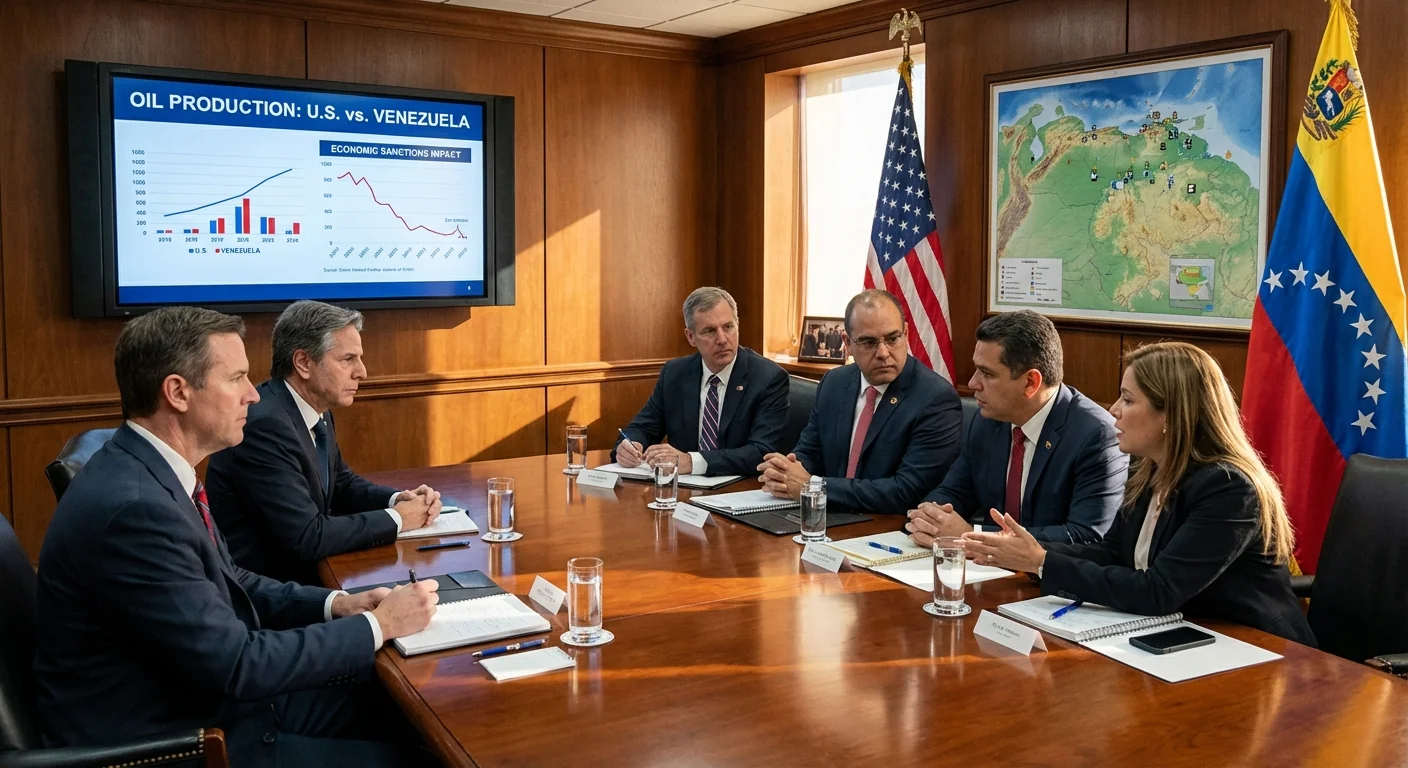
On counternarcotics, cooperation can move through extradition, vetted units, or maritime agreements. Each path has legal guardrails. Any arrangement must avoid aiding repression or corrupt networks. Congress will ask for reporting, metrics, and human rights protections. Expect hearings if a deal takes shape.
Oil markets will watch the next steps. A thaw could add barrels to supply if licenses expand. Escalation could remove barrels if sanctions tighten. Policy, not rumor, will drive those outcomes.
What this means for citizens and rights
Venezuelans are on edge. If security forces respond to unrest, authorities must respect rights to expression, assembly, and due process under Venezuelan law and international treaties. Detainees must see a judge quickly. Families have a right to know where relatives are held. Journalists should be allowed to report without harassment or seizure of gear. Lawyers must have access to clients.
US citizens in Venezuela should check the latest government guidance. Keep travel documents handy. Register with consular services if possible. Dual nationals should review local laws on military service and exit controls. Humanitarian groups should document incidents safely, store media securely, and back up files.
If you witness an incident, record time, place, and unit markings, then secure your file off site. Do not put yourself at risk.
In the United States, any move toward force or sanctions change will draw civic action. Constituents can contact members of Congress, ask for clarity on legal authority, civilian protection plans, and guardrails on any oil or drug deal. Oversight is strongest when the public demands details on the record.
The next decisive hours
Tonight’s picture is not set. We have confirmed an open door to talks from Maduro. We do not have confirmed evidence that US forces carried out strikes in Venezuela. The legal path forward splits from here. If force was used, law requires transparency, oversight, and protection of civilians. If talks advance, sanctions and counternarcotics policy must be lawful, targeted, and tied to rights.
We are tracking official statements, legal filings, and any public notices from both governments. Facts, not noise, will determine the next move. ⚖️