BREAKING: Judge orders release of Epstein and Maxwell grand jury records, DOJ faces fast-track disclosure
A federal judge has just pulled the curtain back on one of the most guarded sets of files in modern justice. I reviewed today’s order approving the release of grand jury material tied to Ghislaine Maxwell, along with unused evidence from her case with Jeffrey Epstein. This comes as the Justice Department races to disclose all unclassified records under the new Epstein Files Transparency Act by December 19, 2025. Redactions will shield victims and live investigations. Everything else moves into the light.
What the court ordered today
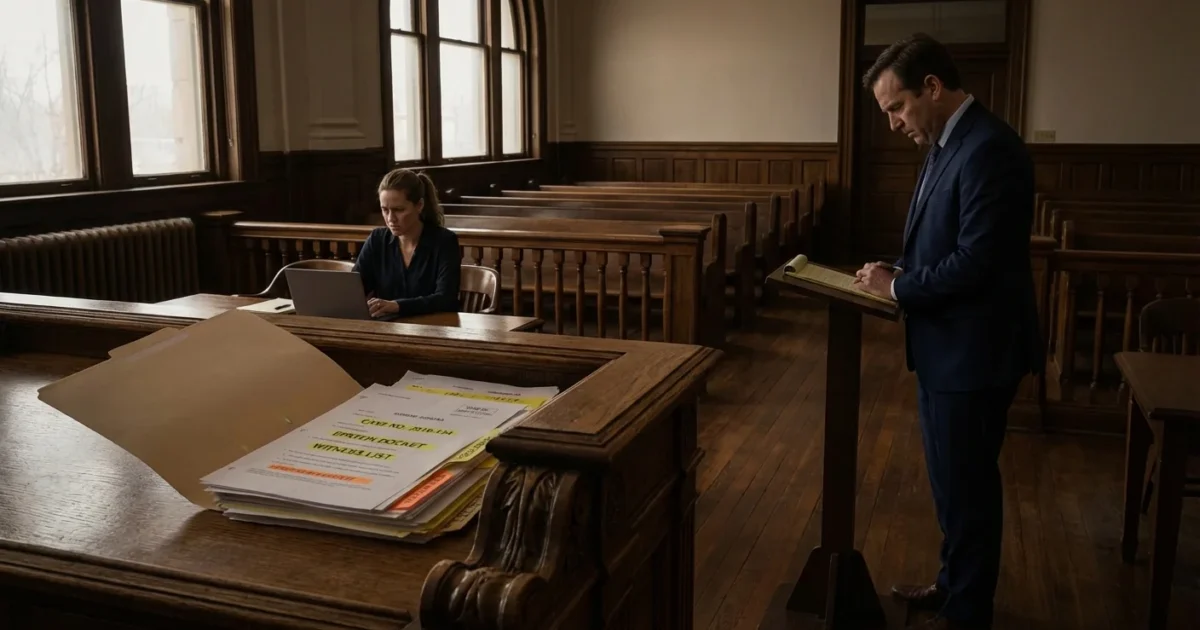
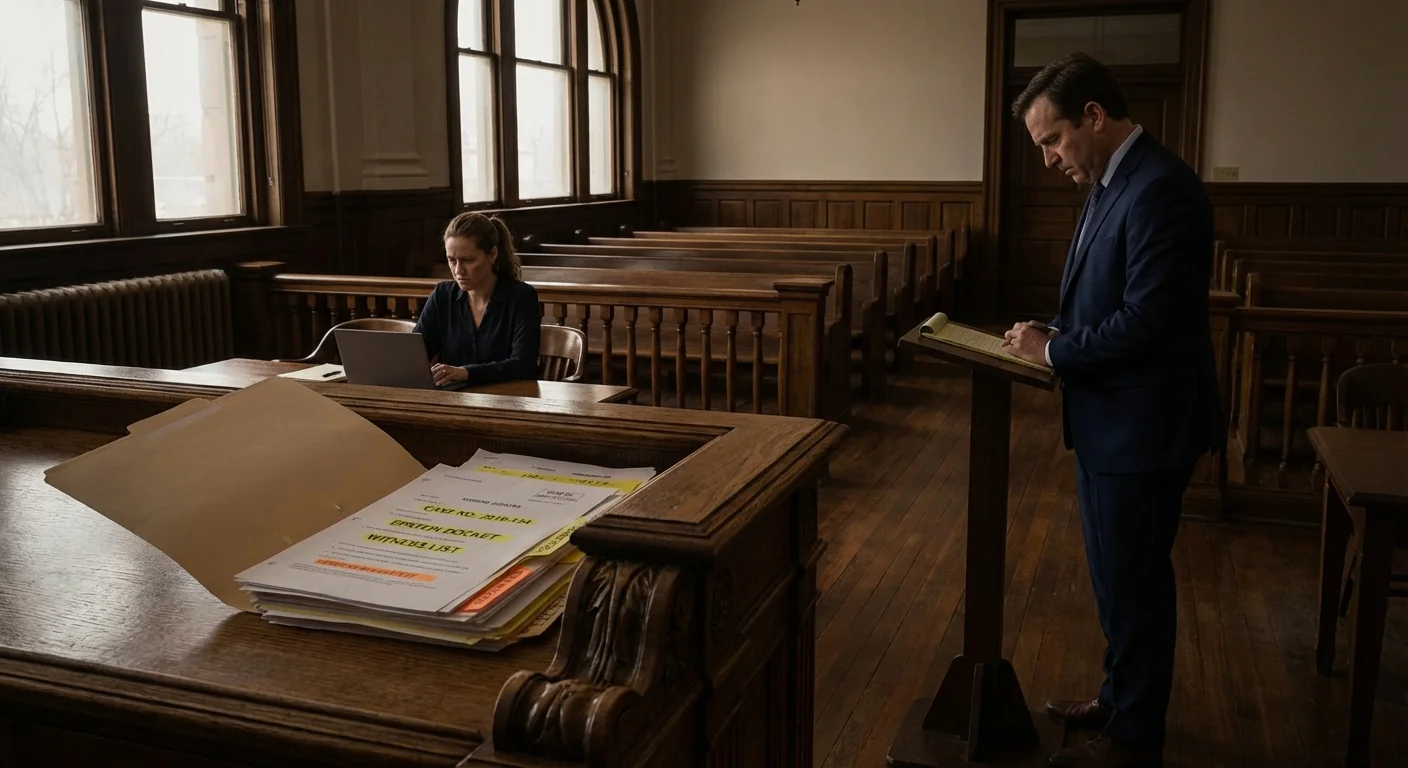
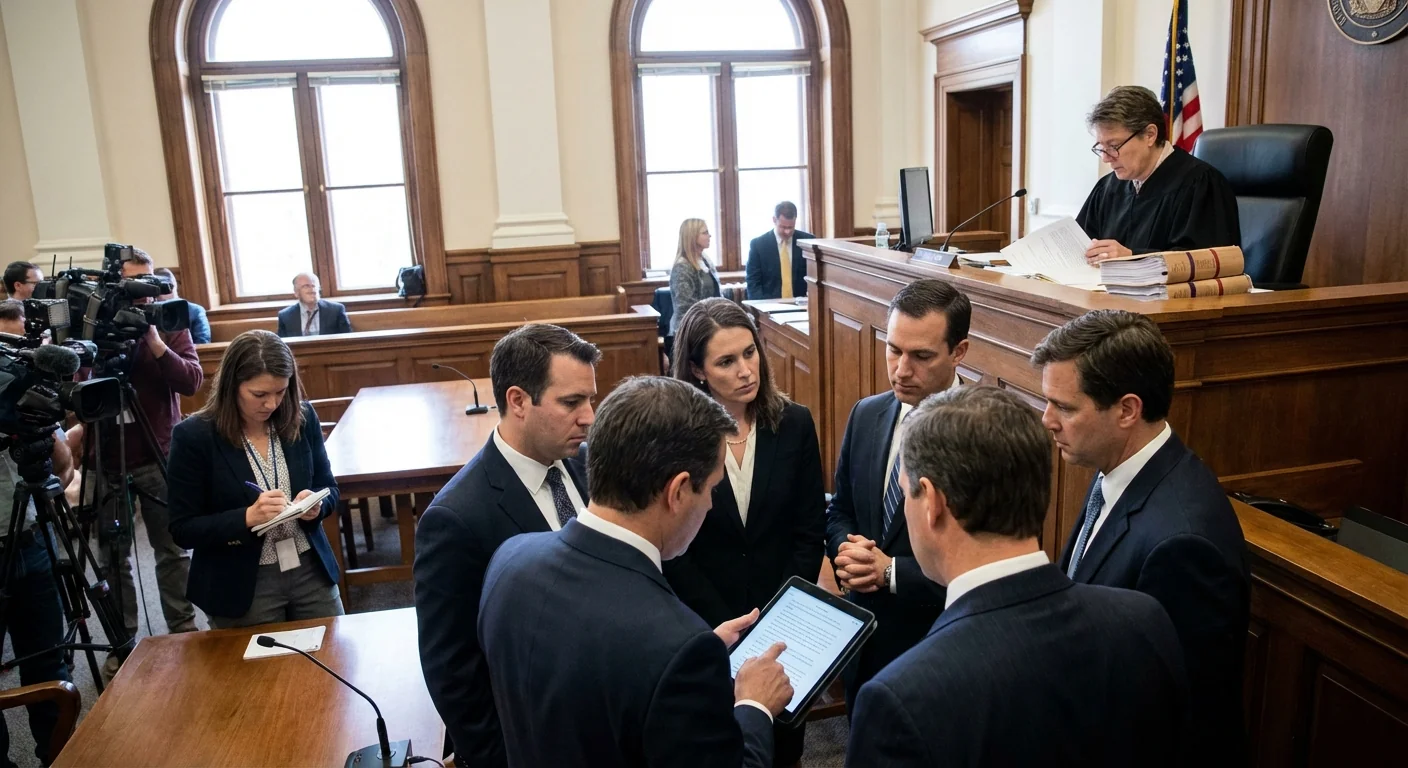
Judge Paul Engelmayer authorized disclosure of Maxwell-related grand jury testimony and evidence that prosecutors never used in court. The U.S. Attorney’s Office will control redactions. I am told former SEC chair Jay Clayton will certify that private details are protected before any files are posted. That extra step is designed to guard victims’ identities and sensitive images. It also sets a chain of custody, so the public knows what was removed and why.
This ruling lands as another court has already cleared a path for releasing Florida grand jury records from Epstein’s 2006 to 2007 probe. The scope is large. We are talking about hundreds of thousands of pages and hundreds of gigabytes of data. The government now has days, not months, to get this right.
Deadline, December 19, 2025. All unclassified Epstein and Maxwell records must be published, with lawful redactions to protect victims and ongoing cases.
The law that forces daylight
The Epstein Files Transparency Act took effect on November 19. It requires the DOJ to publish all unclassified records within 30 days. The law does not allow secrecy to protect reputations. It does allow redactions for victims, for explicit content, and for open probes.
That balance is the heart of this story. Survivors like Annie Farmer want sunlight to show what happened and who failed them. Maxwell’s lawyers warn that unsealing can harm her fair trial rights in any future matters, and expose private data. Courts must respect both positions. Today’s order shows how judges can split the difference, broad release with careful shields.
What could appear
- Grand jury transcripts and exhibits
- Emails, flight logs, photos, and videos
- Search warrants and investigative reports
- Internal DOJ and FBI correspondence
Each file will carry redaction notes. Expect a running log so the public can see categories of withheld content.
Your rights, their privacy
Victims have rights under federal law, including privacy, safety, and dignity. The Crime Victims’ Rights Act requires real protection, not lip service. That is why names, contact details, and graphic images should be blocked. If a redaction is challenged, judges can review it and order changes.
People named in the files, including bystanders, have due process rights. A mention in a record is not proof of a crime. It can still cause harm. The law does not allow the DOJ to hide facts to spare embarrassment. But it does allow targeted redactions to prevent doxxing and personal danger.
Do not harass or expose private information you find in these releases. Doxxing, threats, and stalking are crimes. Screenshots can be evidence.
I will watch for how Jay Clayton’s certifications work in practice. Certification creates accountability, because it shows someone checked the redactions against the law. If mistakes happen, courts can force fixes and identify who signed off.
Accountability and fallout
These files could reveal how powerful networks operated, and where institutions failed. That includes questions about why past prosecutors made certain deals, how agencies handled tips, and what oversight missed. Congress and inspectors general will have plenty to review. So will state bars that police attorney conduct.
Names will surface. Some will be familiar, others new. There will be political shockwaves. There may be civil suits, employment actions, or professional sanctions. None of that replaces criminal proof in court. But the public finally gets records that have shaped rumor for years.
When you read the documents, look for dates, authors, and attachments. Note what is blacked out, and the reason code. Patterns matter.
What happens next
The DOJ is expected to post records on a public portal in rolling batches. Agencies must coordinate redactions fast, and they can ask courts to delay specific items if disclosure risks harm. Maxwell’s team can object. Survivors can also weigh in if a release threatens privacy. Judges can resolve fights on an expedited basis.
I will track each batch, note key additions, and flag any redaction disputes. If the government misses the deadline without lawful cause, expect litigation and possible court orders compelling immediate release.
Conclusion
This is a rare test of how far transparency can go while still protecting people. The court order opens the vault. The law sets the clock. What happens between now and December 19 will show whether our justice system can reveal the truth, respect victims, and still play fair with everyone’s rights. I will keep you posted, minute by minute, as the files land.