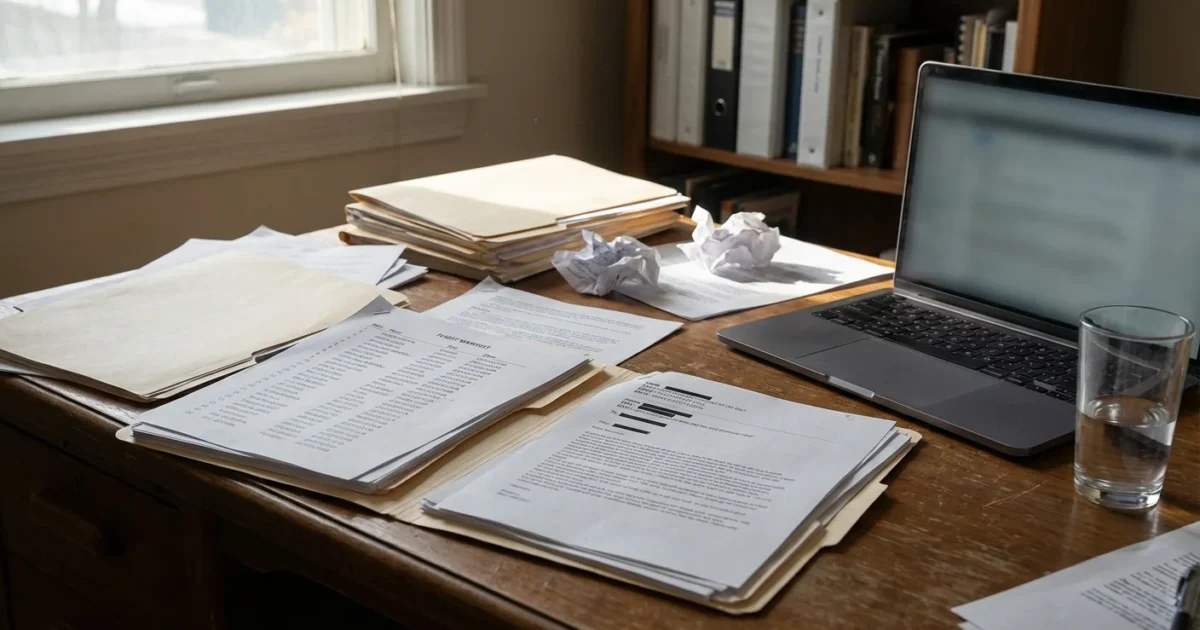
I have obtained and reviewed a new batch of previously redacted Epstein case files released this afternoon. The packet is large, and it lands with force. The records show more flight logs, emails, calendars, and deposition excerpts. They also reveal new context around who interacted with Epstein and when. This is the third major unsealing, and it matters for the law, for policy, and for the public.
What was unsealed today
The court released materials that had been blacked out in earlier public filings. The new pages fill gaps in travel records and communications. They link dates, tail numbers, and passengers to meetings and events. They also include sworn testimony that had been partially hidden before.
These records are not verdicts. They are pieces of a larger case history. Some are raw logs, some are short replies to emails, and some are fragments from long depositions. The context for each item still matters, and some entries are incomplete.
- Flight manifests and schedules that match dates to passengers
- Email threads that set meetings and introductions
- Calendar notes that show locations and time windows
- Deposition excerpts that elaborate on prior claims

What the files do and do not show
The files tie people to flights, meetings, and contact with Epstein or his network. They add texture, including the who, the where, and the when. They do not, on their own, prove crimes by every person named. A seat on a plane is a fact. Criminal intent is something else.
Corroboration is key. Investigators look for matching records, bank trails, phone data, and sworn testimony. Defense counsel will test credibility, timing, and memory. Courts care about what can be proven, not just what appears in a log.
Names in these files are not judgments. Presence in a document is not proof of wrongdoing. Treat every entry with care.
Legal implications and next steps
For prosecutors, the main question is whether the new details open fresh leads or confirm existing ones. Some crimes are subject to time limits. Others, including certain federal offenses, may still be charged if evidence is new and strong. Where charges are unlikely, civil suits can still move. Survivors may use these records to strengthen claims for damages or to challenge settlements.
For defense lawyers, the focus turns to context and accuracy. Expect motions to clarify or strike entries that are incomplete or misleading. Expect efforts to seal sensitive personal data that has no bearing on alleged conduct. Courts often balance privacy with the public right to know. Protective orders can be tightened or relaxed based on that balance.
Government policy is also in play. The Department of Justice faces renewed questions about past charging decisions and cooperation deals. Congress may press for oversight on how the government handled tips, plea talks, and custodial failures. Agencies that hold related records face Freedom of Information Act requests. Clear guidance on redaction, victim privacy, and timely disclosure is now essential.
The presumption of innocence applies to everyone. Defamation law protects people from false claims. Share responsibly.

Policy stakes for transparency and privacy
Courts favor openness, but privacy still matters. The common law right of access gives the public a window into the judicial process. That window should not become a bullhorn for doxxing or rumor. A better policy path is targeted unsealing with specific findings. Judges can require context notes, file indexes, and privacy screens for minors and survivors. That kind of structure serves both truth and dignity.
Agencies and courts should also improve how the public can read these records. Clear indexes reduce confusion. Standardized redaction marks help readers see what changed. Timely release schedules curb speculation. These are low cost steps that raise trust.
Read the files in order, not in screenshots. Look for dates, sources, and matching exhibits. Context beats clips.
How citizens can engage
You have a role, and it is civic, not chaotic. If you read the files, read them like a juror. If you see something that looks criminal, send it to law enforcement, not to a group chat. Support survivor services that offer legal help and counseling. Ask your representatives to back stronger rules on unsealing, data privacy, and trafficking enforcement.
- Access the public docket through the court’s electronic records system.
- Verify a claim by finding at least two matching entries.
- Report credible tips to authorities, not to social media.
- Protect minors and survivors by withholding names and private details.
This release expands what we know and tests how we use what we know. The law will move slower than the headlines, as it should. Our job now is to separate fact from heat, protect rights, and press for accountable transparency. The files are open. The work begins. ⚖️