BREAKING: Shelter-in-place around University of Denver after active-threat reports
What is happening now
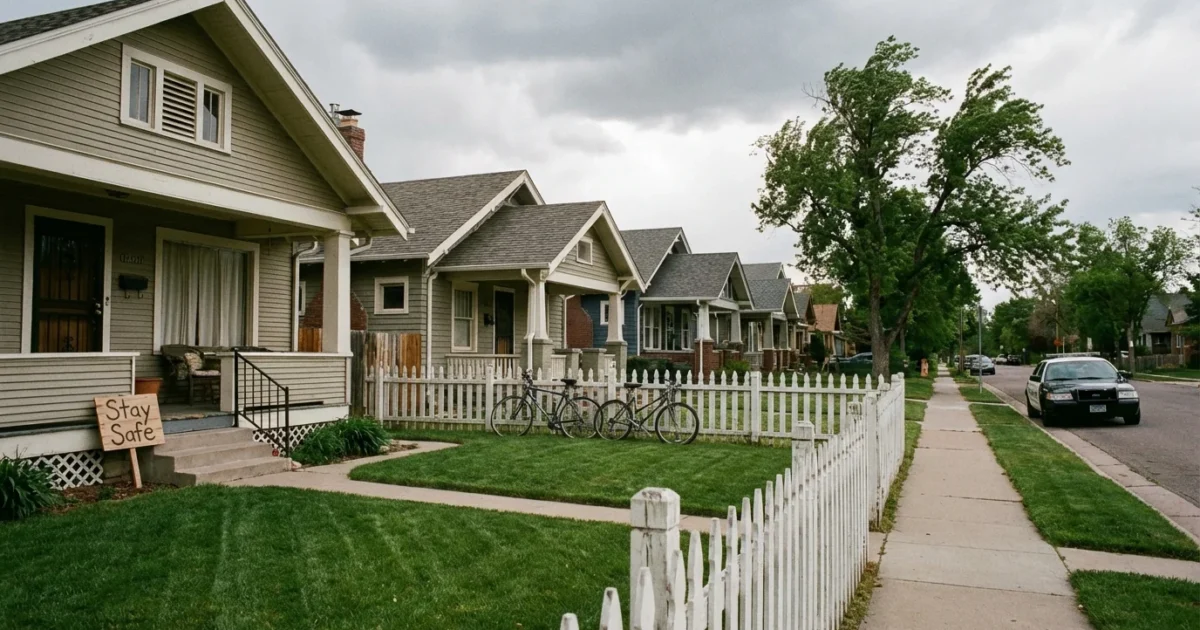
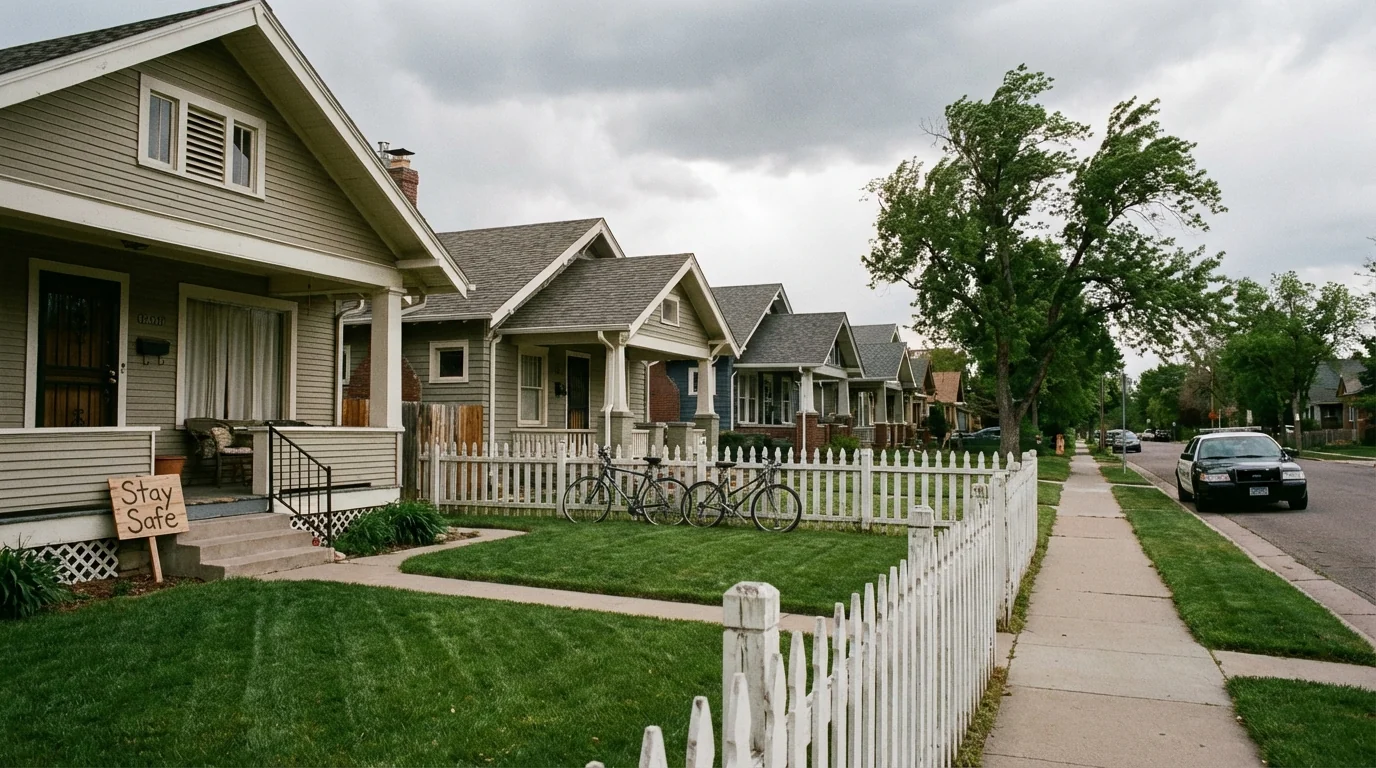
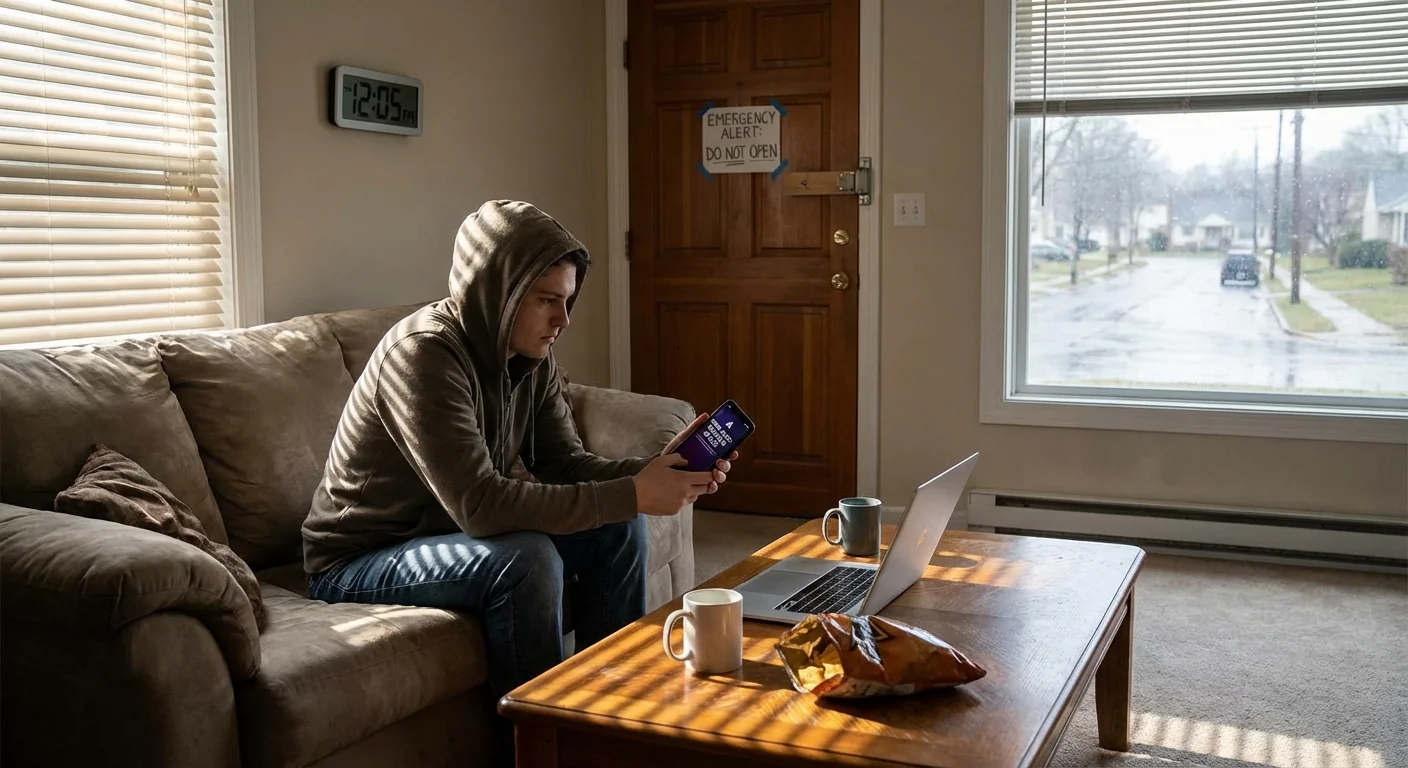
Police have ordered a shelter-in-place in the blocks around the University of Denver. The focus is the South Vine Street area. Reports flagged a possible active shooter. Officers are moving to secure streets, buildings, and alleys. Residents and students have been told to stay indoors. Lock doors. Silence lights. Do not approach windows. Avoid the area until police lift the order.
As of now, there are no confirmed details on injuries, suspects, or arrests. Officers are clearing locations in sequence. That takes time. Expect loudspeaker commands, roadblocks, and heavy police presence.
If you are in the affected zone, stay inside, lock doors, and await an official all clear. If you are outside the zone, do not enter it.
What a shelter-in-place order means under law
A shelter-in-place order is a lawful safety directive. It limits movement for a short time in a defined area. Police can issue such orders to protect life and secure a possible crime scene. This step fits within police powers under city code and state law. It is not a citywide curfew. It is targeted and temporary.
Officers may restrict access to streets and buildings near the threat. They may order bystanders to keep distance. They may create a perimeter and hold it until the risk is cleared. Refusing a lawful order, or crossing a police line, can lead to a citation or arrest for interference. That includes trying to enter the area to check on friends. It also includes ignoring commands to move back.
Police may enter a building without a warrant if they need to stop an immediate threat or to render aid. That is called an exigent situation. After the threat is over, normal warrant rules apply again. Expect officers to identify themselves and announce purpose during entries. If you are inside and safe, do not open the door unless you are certain the person is law enforcement.
Your rights and your responsibilities
In a fast-moving scene, your choices matter. Safety comes first. The law still applies.
- If an officer lawfully stops you, you must give your name and address in Colorado. Show ID if you have it.
- You have the right to record police from a safe place. Do not interfere or step outside to film.
- You do not have to consent to a search of your phone or home. Do not obstruct. Say clearly that you do not consent.
- If you carry a firearm, know that Denver bans open carry. Keep any legal firearm secured and out of sight.
Remember, false reports are crimes. Sharing unverified claims can trigger panic and harm.
Do not post scanner chatter, locations of officers, or rumors about suspects. That can endanger the response and violate platform rules.
How to follow verified safety updates, and what to do now
In a campus area, two systems should be active. First, university emergency alerts, required under the Clery Act, push texts and emails when there is a serious or ongoing threat. Second, city alerts and Wireless Emergency Alerts push messages to phones within the zone. Expect both to update as police clear buildings.
Use this sequence now:
- Stay inside, lock doors, and turn cell phones to silent.
- Barricade only if needed. Stay out of hallways and away from windows.
- Do not call 911 for general updates. Only call if you see danger or need immediate help.
- Rely on official alerts from Denver police and the university. Refresh sparingly to keep networks clear.
Save the non-emergency number for Denver police and campus safety in your contacts. Use it only when the scene is stable and you have non-urgent information to share.
What campuses and neighborhoods should do next
The university must keep issuing timely updates until the threat is over. These should include clear instructions and the all clear when safe. Buildings may remain closed for evidence processing even after the order lifts. Student support services should prepare for classes to pause, test windows to shift, and counseling to expand.
Nearby businesses should lock doors and avoid self-evacuations unless told to do so by police. Landlords should pass alerts to tenants. Parents should not drive into the zone to pick up students. That creates new risks and blocks ambulances.
What to watch next
When police lift the order, expect a short window of road closures and heavy traffic. Expect a formal briefing with basic facts. The university must update its daily crime log. That is required by federal law. If you were contacted by officers, you can write down badge numbers and time to keep your own record. You can request body camera footage later under state law, subject to limits in an active case.
Right now, the focus is simple. Stay put. Stay quiet. Trust verified alerts. Know your rights, and do not amplify rumors. I will keep tracking the legal and civic steps as this unfolds.