Arizona at a crossroads tonight. A beloved hometown tradition just lit up the desert sky, while a high profile tech project went dark. At the same time, winter feels like spring, and young bald eagles are flying routes we have not seen before. I confirmed key decisions and shifts that carry real legal weight for Arizona communities, workers, and wildlife.
City Hall says no to a massive AI data center
Chandler’s City Council unanimously rejected a rezoning request for a 422,000 square foot AI data center on December 12. I confirmed the vote with city officials after the meeting. The developer needed a land use change to proceed. The council said no, citing noise, water demand, modest job numbers, and neighborhood impact.
This is a clear use of local zoning power. Under Arizona law, cities control land use inside their borders. They can deny rezoning when a project does not match their general plan or when impacts outweigh benefits. The developer can refile, but the city’s decision stands unless overturned by a court.
Some argued that federal policy could preempt local rules for “critical” AI infrastructure. There is no blanket federal law that cancels city zoning for data centers. Federal preemption is narrow and rare. It would need clear direction from Congress or a specific federal action that conflicts with local rules. That threshold is high.
The immediate legal takeaway, Chandler’s home rule authority is intact. Local land use, noise limits, and water policies remain enforceable on this parcel.
For residents, the process matters. Public comment weighed heavily here. Arizona’s public records law lets people request emails, traffic studies, water demand estimates, and staff reports tied to the case. That transparency tool is powerful during any refiling or appeal.
Heat, water, and the policy squeeze
Arizona is running warm in December. Several cities matched or set daily high temperature records this week. That kind of heat in winter is no longer a novelty. It presses on water planning, energy demand, and worker safety.
Water is the legal fault line for big tech facilities. Data centers often use cooling systems that can draw on scarce supplies. Inside Active Management Areas, the Groundwater Management Act sets limits and conservation rules. Cities can add conditions through development agreements, water portfolios, or conservation plans. That is what Chandler weighed when it looked at noise, water, and community tradeoffs.
Worker safety is a second pressure point. Arizona follows federal OSHA rules, which require employers to protect workers from known hazards. Heat is a known hazard. Employers must provide water, rest, and shade as needed. Workers have the right to report unsafe conditions and to refuse dangerous work without retaliation.
Utilities face heat policy too. The Arizona Corporation Commission has adopted seasonal protections that limit power shutoffs during extreme heat. Rules and thresholds can change by utility and year. Customers should check current protections with their provider.
If you receive a disconnection notice during a heat wave, contact your utility immediately. Ask about medical and seasonal protections, and request payment arrangements in writing.
Eagles on the move, law on the books
Biologists in Arizona are tracking an unusual northbound path for some juvenile bald eagles this season. That shift could change how we plan roads, lines, and large projects in habitat areas. It also matters for timing construction near nests and waterways.
Bald eagles are no longer listed as endangered, but they are protected by the Bald and Golden Eagle Protection Act and the Migratory Bird Treaty Act. “Take” includes harming, disturbing, or killing birds and their nests. Projects that could disturb eagles may need federal permits and mitigation. City planners and developers should watch new movement data, then adjust siting, lighting, and line marking to lower risk.
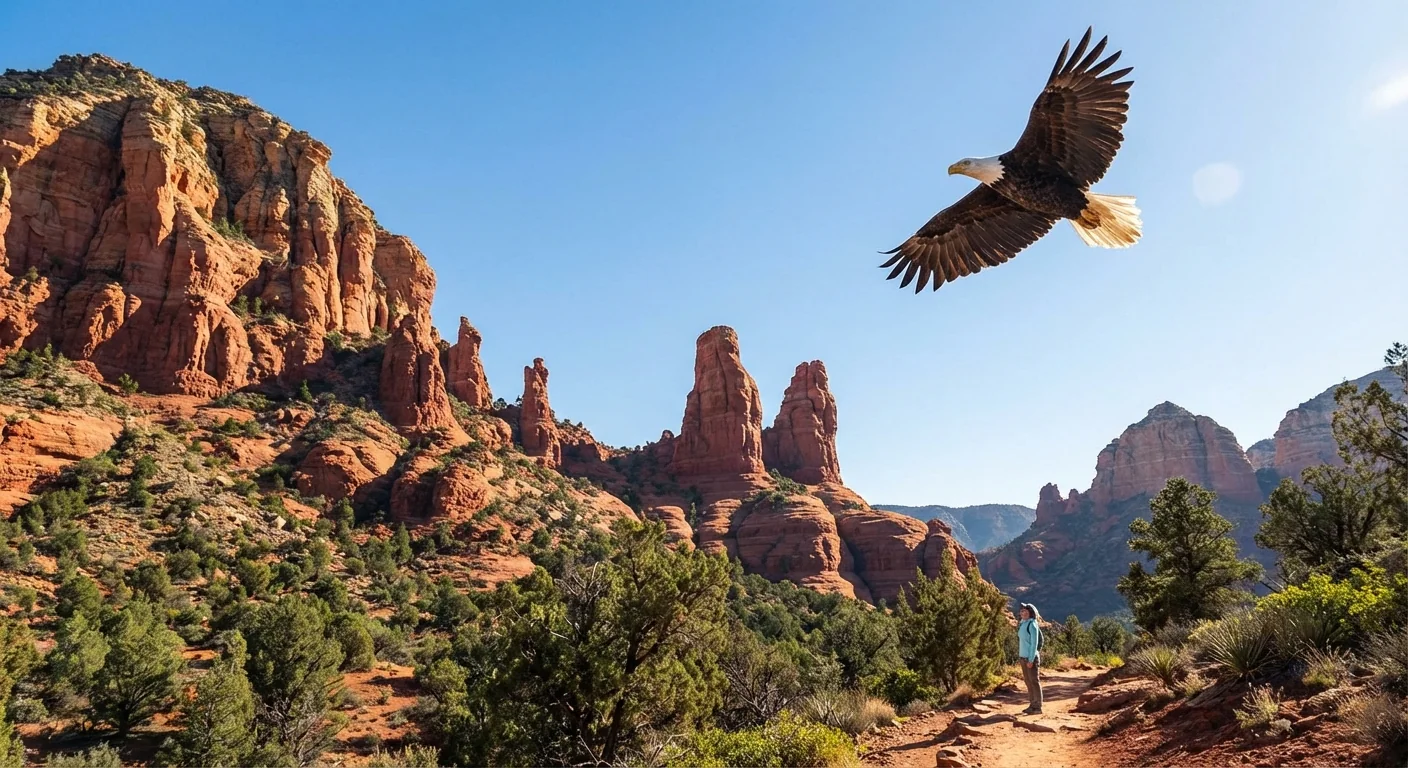
If you see repeated eagle activity near a planned project site, report it to Arizona Game and Fish. Early notice can save time and avoid violations.
A small town tradition, and the rules that make it safe
Chandler’s tumbleweed Christmas tree lit up with about 1,200 lights and a crowd that city staff estimate at roughly 15,000. The tree stands about 35 feet tall, built from about 1,500 to 2,000 tumbleweeds. It is quirky, local, and joyful. It is also a case study in public space law. The city issues event permits, sets time, place, and manner rules, and manages traffic and public safety. That is how the First Amendment and public order work together in a civic square.
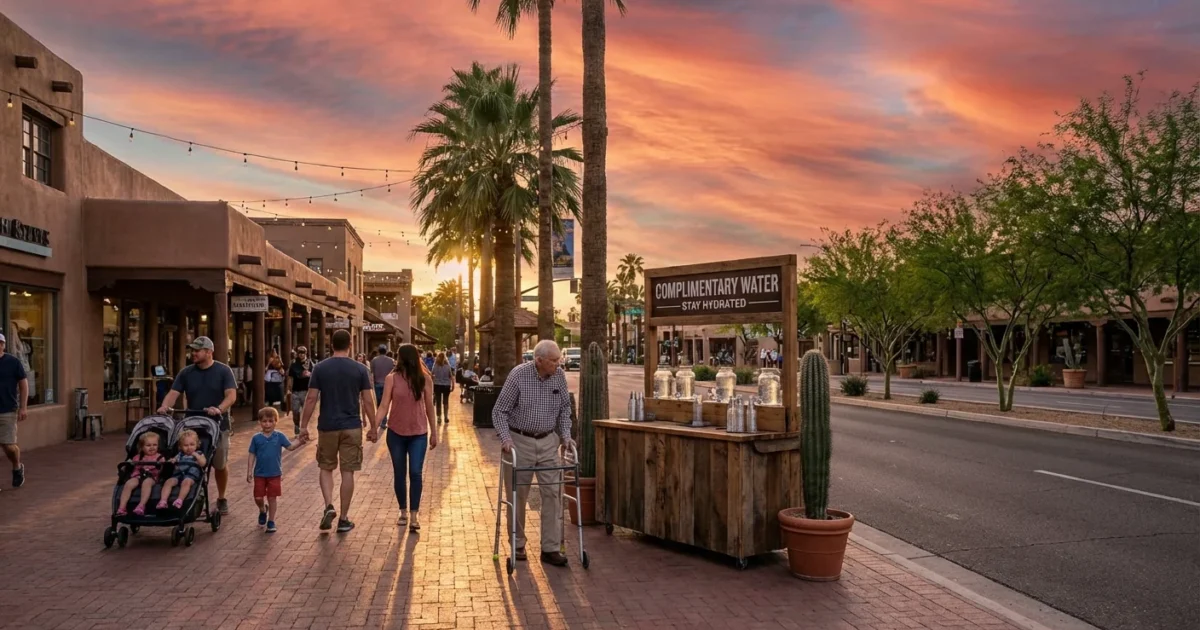
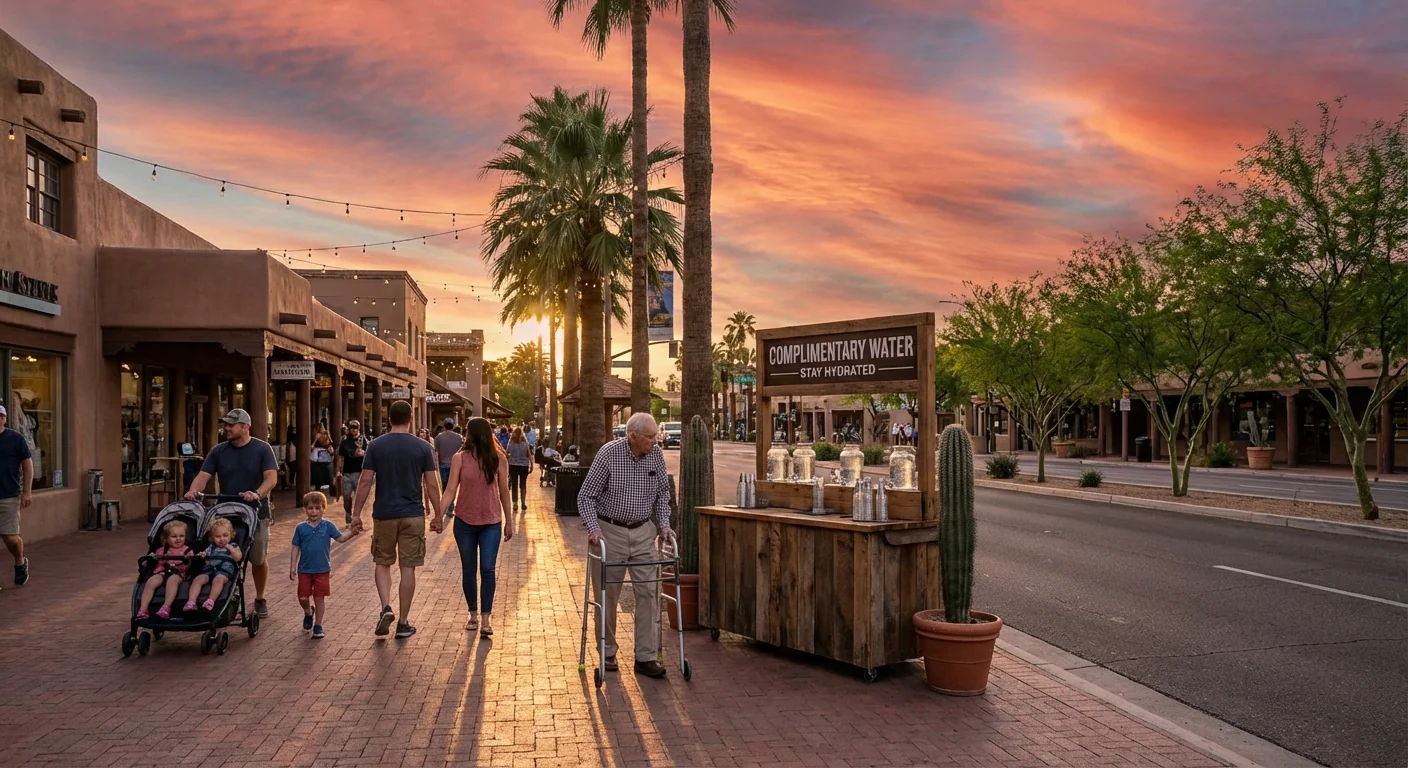
Warm evenings change the playbook. Cities adjust emergency plans, hydration stations, and staffing. They must keep sidewalks, crosswalks, and accessible routes open. People have the right to gather peacefully, and the city must apply its rules evenly to all.
What to watch next
- Any refiled data center plan, with revised water and noise commitments
- City updates to heat response plans and utility shutoff protections
- New eagle movement advisories for project designers and builders
- Event policies for large gatherings during warm winter nights