BREAKING NEWS: The fight over a presidency’s legacy is happening in two places right now. One is the rulebook. The other is the spotlight. I can report that year one has focused on fast reversals of the last administration’s policies while the prior president has kept a low public profile. At the same time, he shows up daily in the new president’s words. That mix is driving a new story line. Erasure through action and attention.
What the government is doing
The new administration has moved quickly to redo the last team’s work. We are seeing a wave of executive orders that pause or unwind prior directives. Agencies are pulling guidance documents that supported the old rules. They are reopening rules for comment. Some are trying interim steps to shift enforcement.
Congress is in the mix too. The fast tool is the Congressional Review Act. It lets lawmakers void recent agency rules by simple votes. When used, it hits hard. It also blocks an agency from issuing a new rule that is substantially the same without a new law.
The CRA blocks agencies from issuing a similar rule once Congress disapproves it. This lock is real.
Courts are already crowded with cases. States and industry groups are filing to stop the rollbacks. Other states and public interest groups are filing to defend the new moves. The docket is thick, and the stakes are large.
The legal fight that decides what sticks
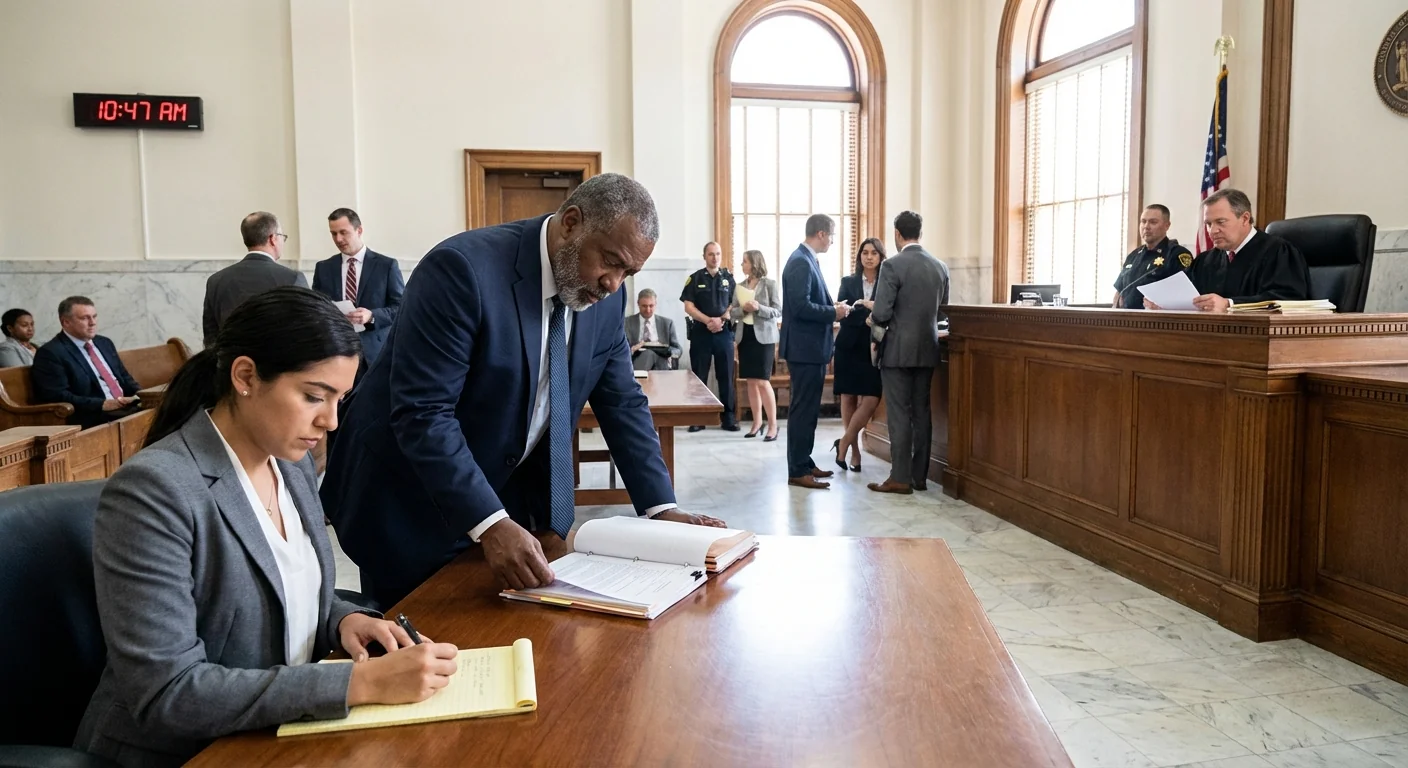
Speed is not the same as staying power. The Administrative Procedure Act sets the rules of the road. Agencies must give a reasoned explanation for any policy change. They must address facts, law, and reliance interests. Courts can toss a flip if the agency skips steps or ignores important issues. That standard comes from the Supreme Court, and it still bites.
There is more. Last year, the Court ended Chevron deference. Agencies no longer get automatic leeway on vague laws. Judges now read statutes for themselves. That shift makes each rollback, and each defense of a Biden era rule, more vulnerable to case by case review.
The Major Questions doctrine also looms. Big, costly policies need clear words from Congress. If an agency rests on a thin clause, it risks a courtroom loss. Expect nationwide injunctions, venue fights, and emergency stays. Expect split rulings from different circuits. Expect appeals.
Headlines can move faster than the law. A rule can be announced today and blocked tomorrow. Watch the court orders.
What this means for your rights
If you rely on a federal program, your rights do not vanish overnight. Many benefits and protections are set by statute. Agencies need notice and comment to change them. That process takes months. You can be heard during that time.
You have a legal right to take part. Agencies must read and respond to significant comments. Clear, fact based comments become part of the record. Courts look at that record when they judge a rule.
- Track rules on regulations.gov, and sign up for docket alerts
- File comments before the deadline, even short ones help
- Keep copies of notices, letters, and benefits decisions
- If you face a sudden change, talk to a lawyer or a legal aid office
Your comment does not need to be long to matter. Tell your story, cite facts, and explain the impact.

The power of presence, and why it matters in court
Policy lives on paper. But power also lives in public attention. When one president keeps a low profile, and the other repeats his name daily, a new frame takes hold. It feels like erasure. That feeling can shape how people see the law, even before a judge rules.
Here is the civic twist. Communication choices can affect the legal record. Agencies must show why they reverse course. They must explain what changed. Data, enforcement history, and public input all matter. A loud push without a strong record will not survive review. A quiet period without clear defense can let a rule fade before it is tested. Visibility and process meet in the courtroom.
What happens next
Expect a season of mixed results. Some reversals will stick. Others will be paused, narrowed, or struck down. Congress may use the CRA window to lock in quick wins. Agencies will try to firm up their records with more data, more analysis, and longer comment periods.
For citizens, the path is steady. Read the notices. File comments. Ask your representatives where they stand. If you are affected by a change in health care, labor rights, immigration status, climate rules, or education benefits, do not wait. Get advice early.
The bottom line is simple. Year one has set the stage for a legal grind. The story of erasure will rise and fall on the APA, the end of Chevron, the Major Questions doctrine, and the CRA. Noise will set the mood. Process will decide the outcome. Stay engaged. Your voice and your vote still move the law.