BREAKING: Trump’s Colonnade Plaques Take Aim at Predecessors, Raising Legal and Civic Questions
The White House Colonnade now doubles as a message board. President Trump unveiled a string of new plaques along the covered walkway, each taking a jab at former presidents, including Joe Biden and Barack Obama. He pitched it as a Presidential Walk of Fame. The tone is sharp. The placement is deliberate. And the setting is the most symbolic address in America.
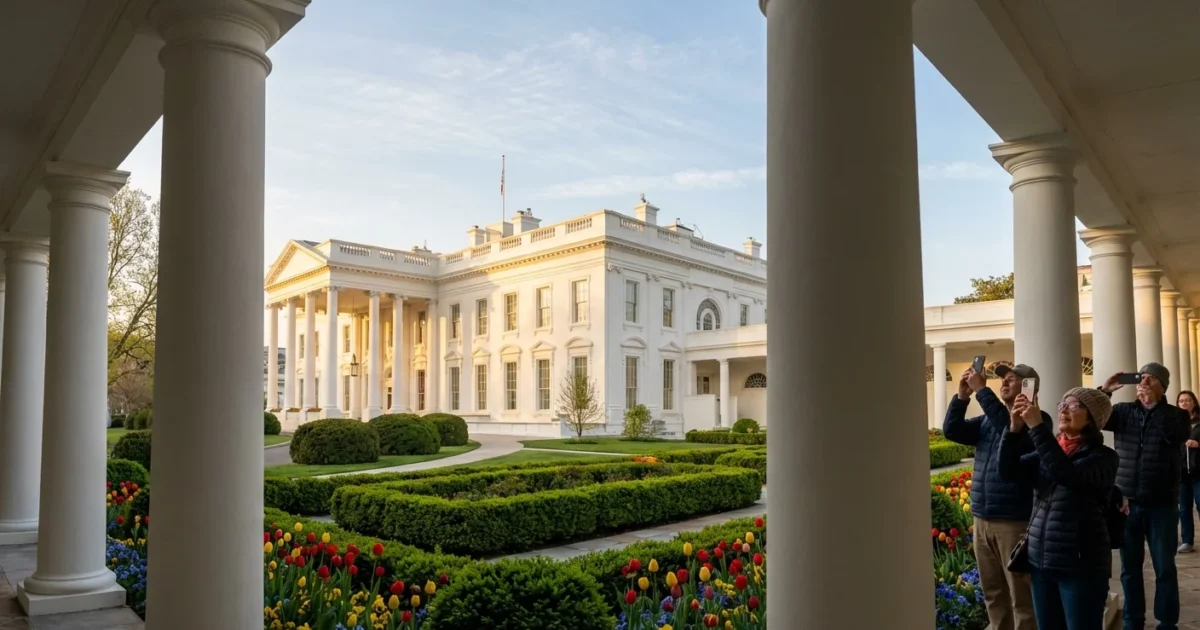
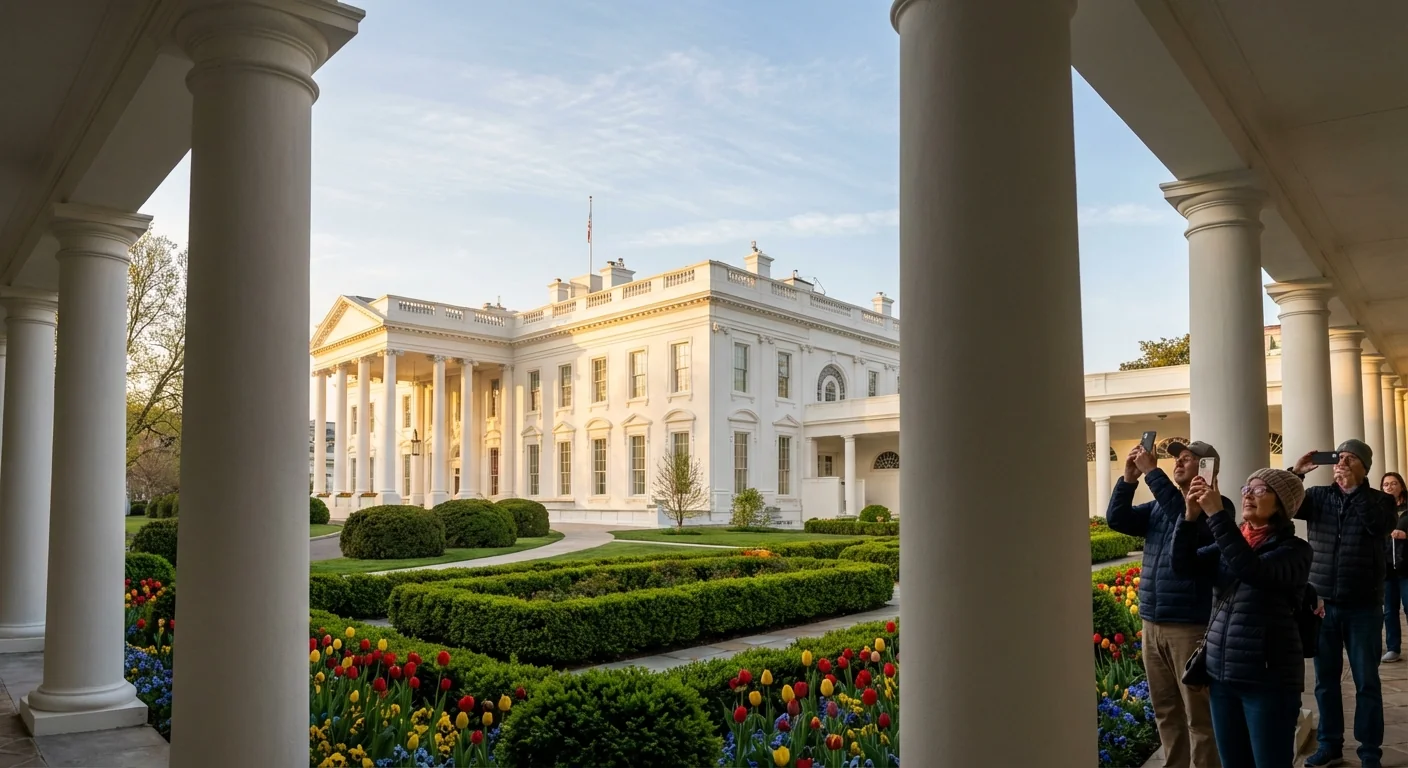
I toured the Colonnade early this morning. The pieces are mounted at eye level. They blend with the stately limestone and clipped hedges. The words do not. They are playful to supporters, caustic to critics, and unmistakably political.
The White House Is Government Speech, Not a Campaign Stage
The White House is a public institution. It belongs to the people, not a party. The President speaks for the nation from here, even when the message is partisan. That is the heart of today’s clash.
These plaques are not campaign ads on private land. They are official displays on federal property. That matters for ethics rules, records law, and preservation standards. It also touches core expectations about the White House as a civic space. For decades, presidents let portraits and history do the talking. Today, the building itself is speaking in the President’s voice.
When the government speaks, it can choose its own message. The First Amendment does not require viewpoint neutrality for official displays. That does not end questions about ethics, spending, or process.
The Legal Lines, Explained
The President is not bound by the Hatch Act. White House employees are. If staff drafted barbs, procured materials, or coordinated installation in a way that crossed into electoral activity, the Office of Special Counsel could review. That line is fact specific. It hinges on intent and timing.
White House decor is not a free for all. Since the Kennedy era, the Committee for the Preservation of the White House and the White House Curator have guided changes to the historic spaces. The Colonnade frames the Rose Garden and the Oval Office. It is part of a National Historic Landmark. Internal review is common for permanent or semi permanent installations.
Taxpayer funds also matter. If federal money paid for design, fabrication, or labor, auditors will ask if the spending served an official purpose. If private donors covered costs, there are gift acceptance rules and disclosure norms that should apply.
Finally, the plaques may be presidential records. Writings created or received in carrying out constitutional or ceremonial duties can fall under the Presidential Records Act. That would trigger preservation and eventual public access.
Key questions my newsroom has already put to the White House Counsel’s Office and the curator:
- Who approved the installation and under what authority
- Were federal funds or contractors used for design, fabrication, or mounting
- Did the preservation committee or curator review the display
- Will the text and design files be archived as presidential records
Policy, Precedent, and Power
Presidents shape their legacies in art and method. Oval Office rugs, sculpture swaps, and curated portraits are normal. Plaques that mock predecessors are not. They shift the White House from a unifying symbol into a contested stage. That choice is a policy act. It signals how the administration sees the presidency, the office, and its rivals.
Congress has oversight tools here. Appropriations committees can ask for cost details. Oversight leaders can request emails and approval memos from agencies that support the complex, including the Secret Service or the General Services Administration. If staff crossed statutory lines, inspectors general can look. If this is simply sharp government speech, it will stand as precedent for future presidents to imitate or reject.
Public reaction is already polarized. Some cheer the swagger. Others call it petty and beneath the office. Calls invoking the 25th Amendment flared on television, though that remedy is for incapacity, not taste. The law is colder than the noise. It asks who paid, who approved, and why.
Your Rights, Your Options
You have no First Amendment right to place your own plaque on federal walls. The Colonnade is not a public forum. But you do have tools to check how this happened.
File targeted records requests. The White House Office is not subject to FOIA, but supporting agencies are. Ask the Secret Service for contracts tied to installation logistics. Ask GSA for purchase orders. Ask the National Park Service for preservation communications if any.
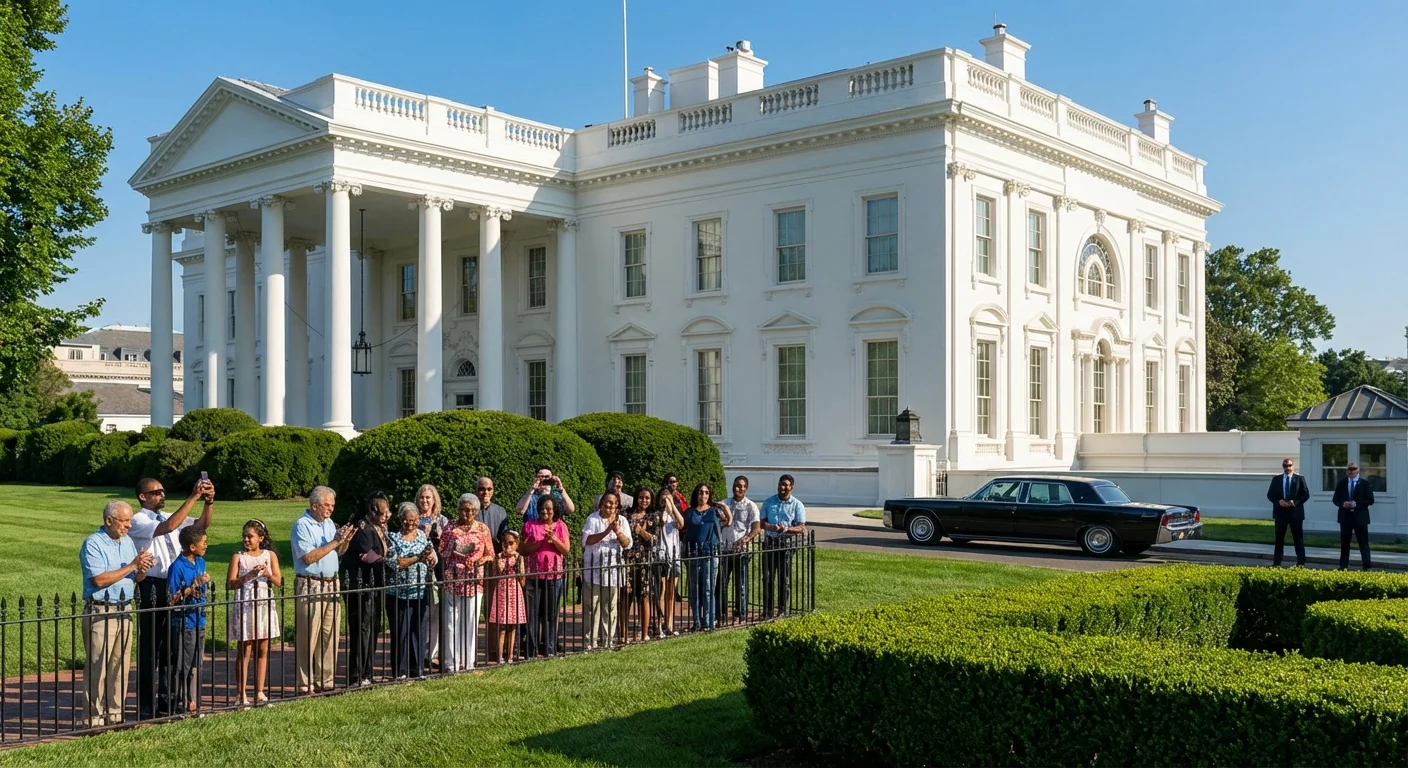
Speak to your representatives. Oversight starts with Congress, and constituent pressure moves requests to the front of the line. Tours will likely continue as normal. If you are on the grounds, you have the right to report what you see, subject to security rules.
For FOIA, be specific. Request invoices, contracts, work orders, emails, and approval memos dated the past 90 days that reference plaques, Colonnade, or installation.
White House staff are bound by the Hatch Act. If activity tied to these plaques aimed at influencing an election, staff exposure is real even if the President is exempt.
What Comes Next
I have asked the White House for the cost, the approval chain, and the legal basis. I have also asked whether the plaques are permanent, and if a future president can remove them without review. Answers will tell us if this is a stylistic flourish or a structural shift in how the People’s House is used.
The building carries our history. Every change writes a line. These plaques write in ink, not pencil. I will keep pressing for the receipts, the memos, and the rules that govern them. The public deserves clarity, and the White House should welcome it.