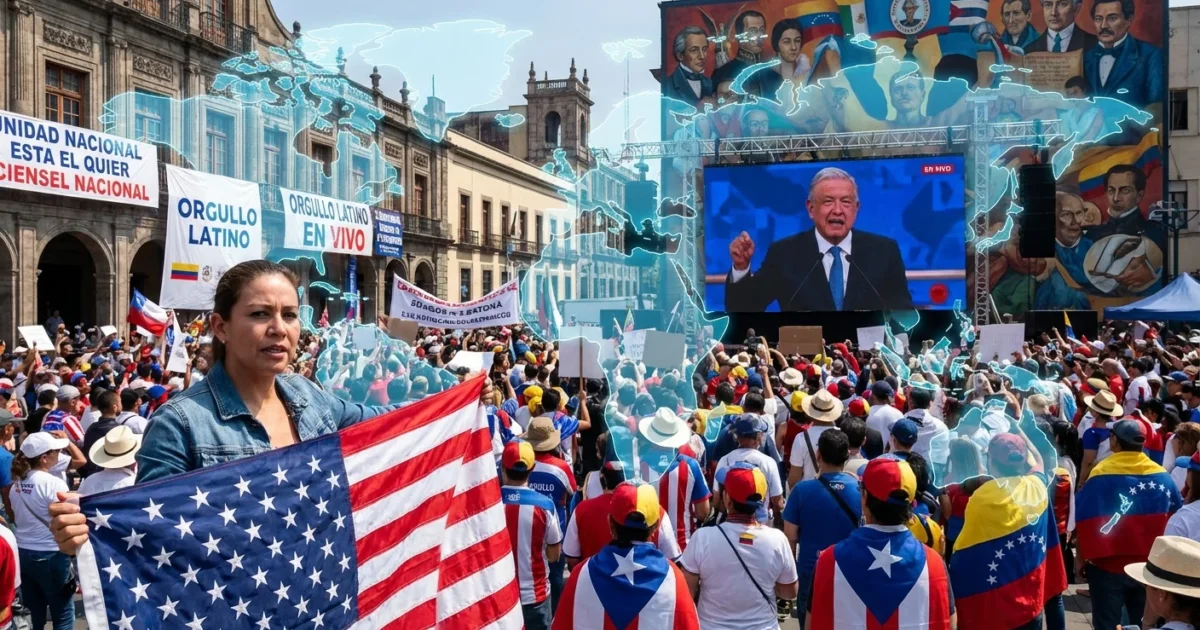
Breaking: Washington’s power play has arrived. Reports of a U.S. raid inside Venezuela are spreading across capitals. Claims that Nicolás Maduro has been pushed from power are circulating. The legal clock is already ticking, at home and abroad. ⚖️
What happened, and why it matters
Early accounts point to a targeted U.S. operation aimed at Maduro’s inner circle. Some say the strongman has been removed. Details remain scarce, and official confirmation is incomplete. Yet the policy stakes are clear. This moment recasts America First into something bolder and sharper.
For years, America First signaled caution on foreign wars. Today, it looks more like assertive power that acts quickly, then defends the choice. The focus is not only Caracas. It is the whole map of influence in the Americas, including Beijing’s footprint in oil, ports, and telecoms. The message is direct. Latin America is not a place for rivals to test Washington’s resolve.
The U.S. legal framework, in plain terms
Any use of force starts at home with constitutional checks. The President can act to protect national interests. Past administrations have used Article II authority for limited strikes. But long operations require Congress to say yes.
Under the War Powers Resolution, the White House must send Congress a formal report within 48 hours. If hostilities continue, a 60 day clock starts. After that, Congress must authorize or funding risks a cutoff. Lawmakers can also add conditions, limit targets, or cap troop levels.
If no specific statute covers Venezuela, the administration is likely relying on Article II. That choice will face scrutiny. Expect questions on the mission’s scope, the legal target set, and how “hostilities” is defined. Oversight can move fast. Hearings, subpoenas, and funding riders are tools Congress can use right away.
Watch for the 48 hour War Powers notice. That document, often brief, locks in the legal theory and triggers the 60 day clock.
Key questions for Congress now:
- What U.S. interests justify this action, and under what legal theory
- How long will forces remain at risk, and where
- What is the plan to avoid a prolonged mission
- How will civilian harm be prevented and investigated
International law, sovereignty, and consent
The United Nations Charter bars the use of force against another state’s territorial integrity. There are narrow exceptions. Self defense, including collective self defense, is one. A host nation can also consent to outside force. Humanitarian intervention without a UN mandate remains hotly disputed.
Everything turns on facts. Was there an armed attack that supports self defense. Did a legitimate Venezuelan authority request help. Who counts as that authority in the eyes of states and institutions. These issues decide whether the raid is seen as lawful or unlawful intervention.
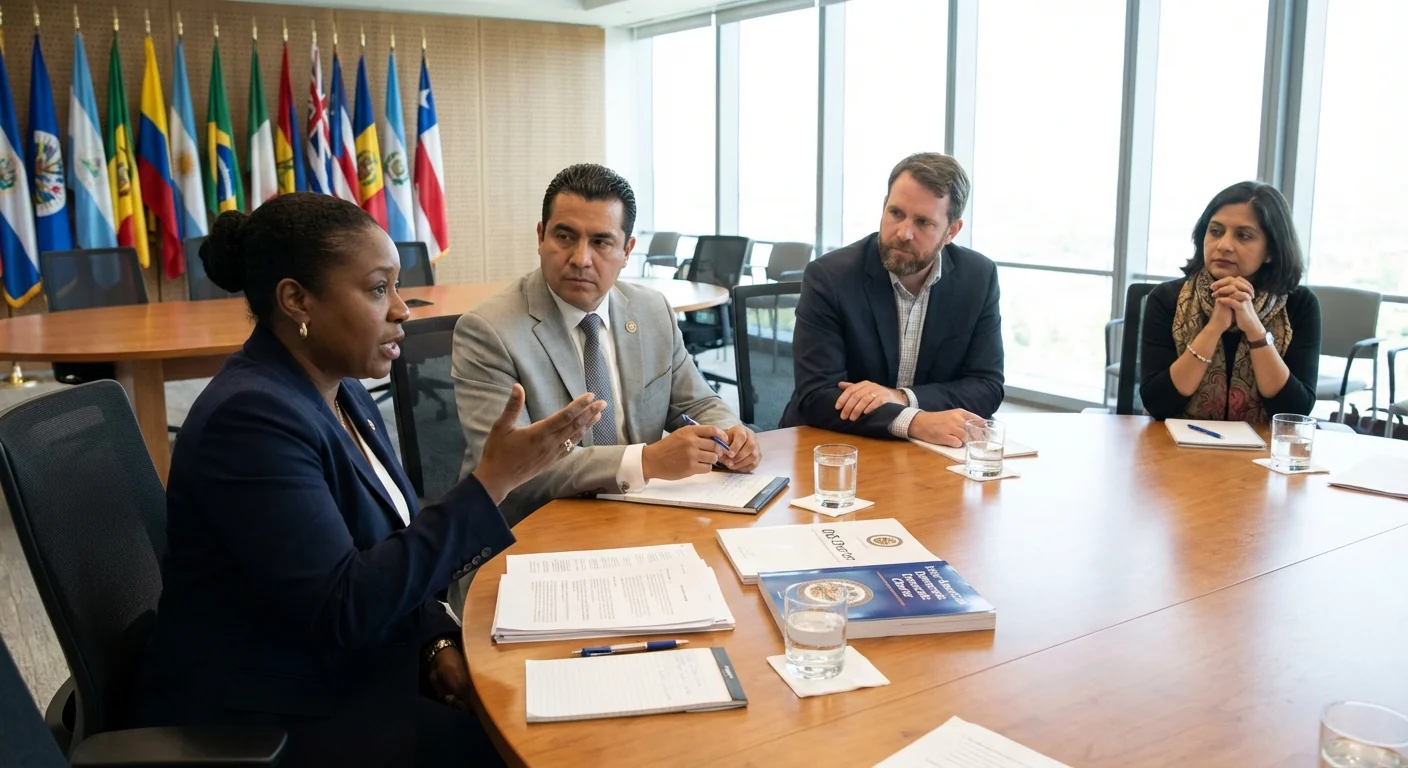
The Inter American system also matters. The OAS Charter stresses non intervention. The Democratic Charter condemns ruptures of constitutional order. Regional governments will judge this move through both lenses, and their responses will shape the diplomatic fallout.
The China factor, and a reshaped field in the Americas
Venezuela has leaned on Beijing, along with Moscow and Tehran, for cash, tech, and security ties. Loans have been repaid with oil. Contracts bind state firms to long timelines. A power shift in Caracas could reopen those deals. It could also test China’s willingness to shield partners in the Western Hemisphere.
If Washington is now readier to act in its near region, that signals a new line in the sand. Expect sharper competition over infrastructure, energy, and credit terms. Regional governments will move carefully. They will weigh market access, debt exposure, and public opinion.
Expect turbulence in oil markets and sharp rhetoric from rival capitals. U.S. nationals and businesses with exposure in the region should review risk plans now.
Citizen rights, at home and abroad
Moments like this call for civic focus. At home, the right to speak, protest, and petition is intact. Public oversight of war decisions is a core democratic check. Transparency tools matter. War Powers notices, Inspector General reports, and declassified legal memos can and should be requested.
Travelers, dual nationals, and aid workers face a different set of issues. Consular access, evacuation options, and sanctions rules all come into play. Sanctions and export controls carry strict penalties. Get clear guidance before moving funds, gear, or technology linked to Venezuela.
U.S. service members and their families also deserve clarity. Mission scope drives risk. Congress must make sure care, benefits, and legal protections match the reality on the ground.
The bottom line
This is a hinge point for U.S. policy. If the operation in Venezuela stands as presented, America First now means faster force, tighter missions, and sharper lines against rivals in the Americas. The legal work starts immediately. Congress must demand the facts, test the law, and set limits where needed. The hemisphere is watching. So are oil markets, Beijing, and every citizen who expects both strength and restraint from U.S. power.