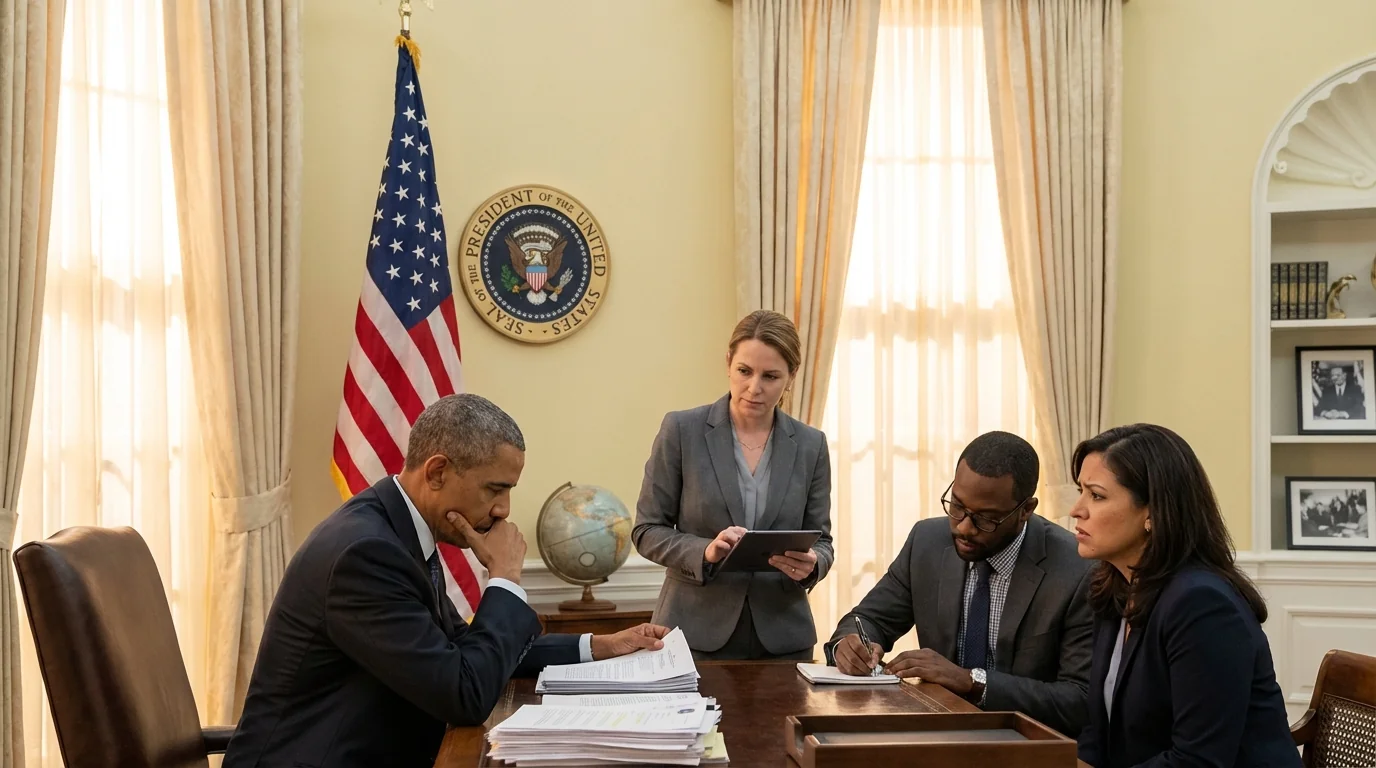
Breaking now, President Donald Trump has delivered a rare prime-time address from the White House. He praised his record, previewed new steps on the economy, and signaled a tougher stance toward Venezuela. The words were sharp. The stakes are real. The legal and civic fallout starts tonight.
What the President Said
The president opened with a victory lap. He pointed to jobs, energy, and border security. He promised a stronger economy despite strain many families feel. He said more relief is coming. He also cast a hard light on Venezuela. He said the United States will increase pressure. He spoke about options at sea and at ports. He framed it as support for democracy.
The address was heavy on claims and goals. It was lighter on signed actions. That matters. Words do not change law. Orders, statutes, and regulations do.
No policy is final until it is written, signed, and published. Watch the paper, not just the podium.
Legal Stakes of Any Move on Venezuela
Any blockade or maritime interdiction would carry serious legal weight. Under international law, a blockade can be seen as an act of war. At home, the War Powers Resolution would be triggered by the introduction of U.S. forces into hostilities. That would require notice to Congress within 48 hours. It would also start a timeline for authorization.
Sanctions are different. The president can expand sanctions under the International Emergency Economic Powers Act. That tool is broad. The Treasury Department, through OFAC, then enforces it. New targets could include state firms, shipping, or key officials. Those steps must be published and noticed to Congress. They also face court challenges if due process is lacking.
If U.S. forces are used in a way that risks combat, the War Powers clock starts. Congress must be informed fast and may demand a vote.
Allies matter here. A unilateral blockade could strain ties and trade. Coordinated sanctions with partners are easier to defend. They also tend to work better.
Economic Promises and the Law
On the economy, the president talked up tax relief and faster projects. He hinted at new executive actions. Here is the legal map. Tax changes need Congress. Regulatory changes can move by rulemaking. That requires notice, comment, and a reasoned basis. Tariff shifts can use trade laws, but they invite lawsuits and retaliation. Stimulus measures need appropriations, which means Capitol Hill must act.
If the White House declares a new emergency to unlock funds, courts will test the facts. Judges look for real findings and a fit between the problem and the fix. Agencies must build a record that can survive review.
[IMAGE_2]
Businesses should check updated sanctions lists and licensing rules before shipping, paying, or insuring any Venezuela-linked trade.
What This Means for Citizens
Your rights do not pause for a speech. If new policies arrive, you can read them, comment on them, and challenge them. Public protests remain protected, subject to time, place, and manner rules. If travel limits or sanctions affect you, seek legal advice. Keep records. Deadlines are strict in federal court.
Congress will now face choices. It can bless any force use, reject it, or stay silent. It can pass economic measures or block them. Town halls, phone lines, and district offices are open. So are city halls and state capitols, which may respond to federal moves with their own actions.
Track concrete actions. Look for a signed executive order, a Treasury designation, or a formal notice to Congress. Then call your representatives with a clear ask.
What to Watch Next
- A written directive on Venezuela or maritime operations
- New Treasury sanctions guidance and license rules
- A War Powers notification to Congress, if forces are tasked
- A draft bill on taxes or relief spending
In short, the president set a bold tone tonight. The law will decide what sticks. The next 72 hours will tell us which lines in this speech become real policy, and which remain only words. Stay alert, stay informed, and make your voice count.