BREAKING: Trump Unveils “Patriot Games” For America’s 250th. Here Are the Legal Stakes.
President Donald Trump announced a new youth athletic showcase today. It is called the Patriot Games. It will be part of the 250th anniversary celebrations planned for 2026. The event promises big stages, cheering crowds, and national pride. It also carries weighty legal questions that will shape what happens next.
I am tracking the rollout in Washington. The administration wants the Games to anchor a larger slate of Semiquincentennial events. Venues and dates are still being set. The legal framework is not.
What Was Announced, And Why It Matters
The Patriot Games are billed as a youth competition highlighting grit, teamwork, and civic spirit. The White House describes it as a unifying celebration. It is also a major public program that uses federal space, federal security, and likely a blend of public and private money.
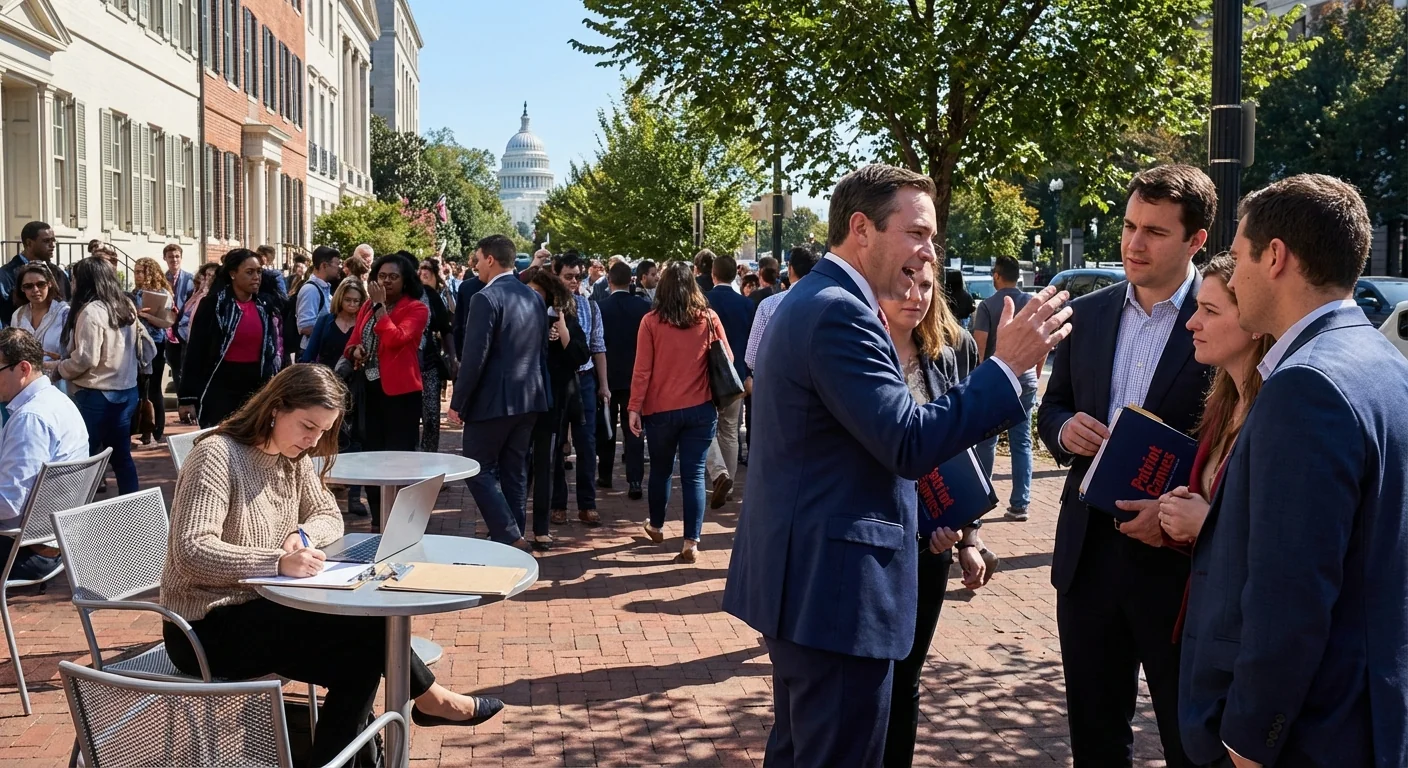
That mix triggers rules on speech, access, and fairness. Big national events take place on public ground, often the National Mall or nearby federal sites. Those areas are traditional public forums. Government must keep rules neutral and evenhanded. It can manage time, place, and safety. It cannot target viewpoints.
The Legal Footing: Permits, Money, And Messaging
Federal property use requires permits. The National Park Service oversees many likely venues. The Secret Service sets security perimeters when a president attends. These agencies must balance crowd safety and civil liberties. Expect controlled entry, bag checks, and soft closures. Those are allowed if they are reasonable and tied to safety.
Funding is the next test. If Congress appropriates money for the Games, there must be clear lines on how funds are used. If private sponsors join, ethics rules apply. Federal officials cannot solicit or accept certain gifts. Contracts for staging and broadcast require competition and transparency. Watchdogs will watch for no bid deals and conflicts of interest.
Public funds cannot pay for partisan messaging. Official events must stay governmental, not campaign related.
The Hatch Act restricts political activity by most federal employees. It does not bind the president, but it does cover staff. If the event happens near campaign season, the split between official and campaign roles must stay clean. That means separate travel, separate staff time, and strict accounting.
Trademark is a quiet issue here. “Patriot Games” must be cleared for federal use. Any confusion with existing marks or entertainment titles risks challenge under the Lanham Act. Federal branding teams will need to lock this down early.
Youth Participation And Safeguards
The promise is youth spotlight. That requires child safety and equal access. If schools or public programs funnel athletes, civil rights laws attach. Title VI bars race and national origin discrimination where federal funds are involved. Title IX bars sex discrimination in education programs. The Americans with Disabilities Act requires equal access for athletes and spectators with disabilities.
Parental consent, medical waivers, and travel rules must be clear. Background checks for coaches and volunteers are standard for youth events on federal sites. Data privacy matters too. If the event collects images or biometric data, there must be notice, a limit on use, and secure storage. Families deserve to know who sees their child’s information.
Parents should ask for written policies on consent, data use, and safety protocols before any child participates.
Public Space, Protest, And Policing
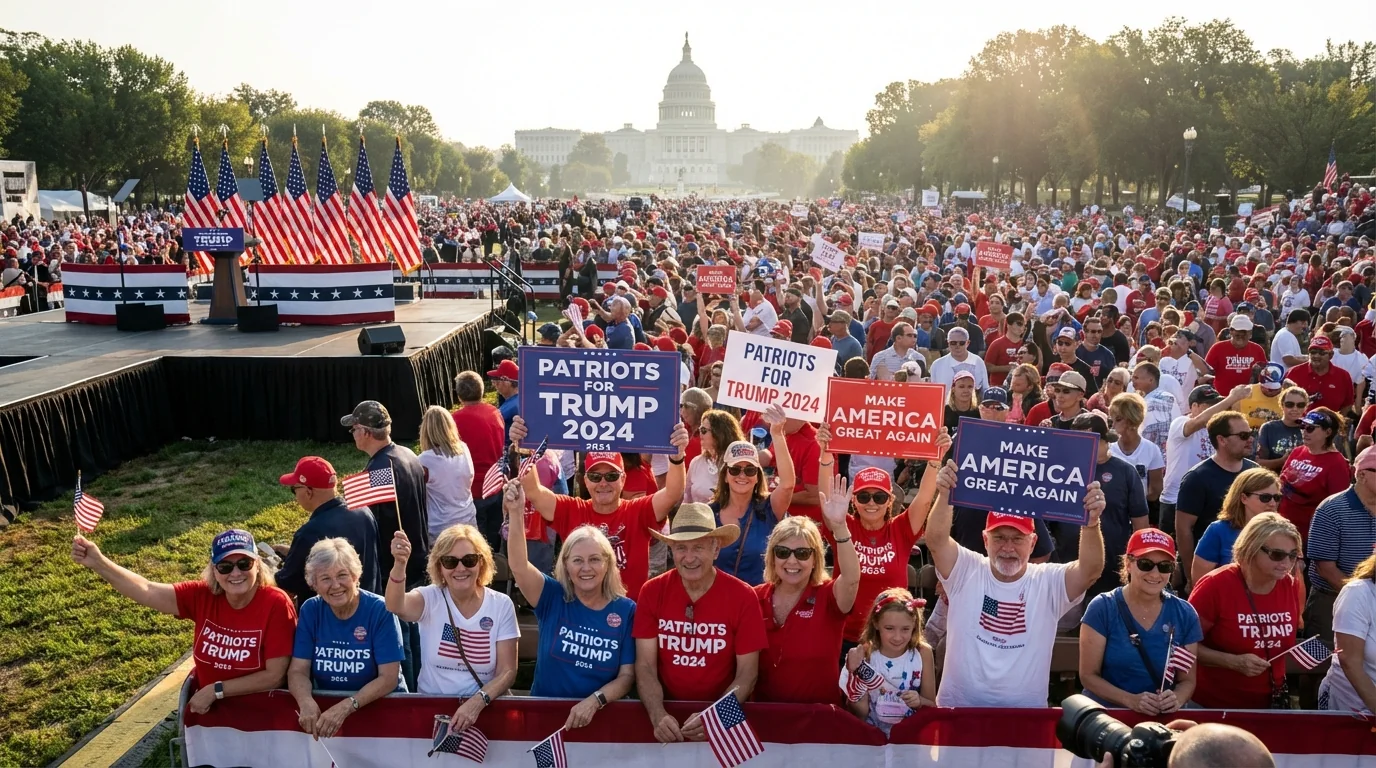
Large civic events invite speech, both celebration and dissent. People have a right to assemble on public forums. Government can set neutral rules for security zones. It cannot make a protest pen so far away that speech loses its impact. Courts look at whether restrictions are narrowly tailored. They also look for ample alternate channels for speech.
Security screenings must be reasonable. The Fourth Amendment bars unreasonable searches. Clear signage and published rules help. Arrest powers should be used sparingly. Oversight bodies will expect data on stops, detentions, and use of force. The public has a right to observe and record in public places, subject to safety limits.
Permits for rallies near federal events are handled on a first come basis with content neutral criteria.
What To Watch Next
Key questions I am pressing with officials today:
- Who pays for the Games, and what oversight applies
- How selection works, and how discrimination is prevented
- Which agencies control permits and protest zones
- What data the event collects from minors and families
The Semiquincentennial should unite the country. The Patriot Games could uplift youth and boost tourism. It could also cross legal lines if rules are ignored. The path is not hard, but it requires discipline. Neutral permitting. Transparent funding. Equal access. Strong child safety. Respect for speech.
Congress can help by setting bright lines in authorizing language. Inspectors general can flag risks early. Civil society can monitor the rollout. Parents and participants should demand clear terms in writing. If the administration welcomes oversight, the Games can be both patriotic and lawful.
The stakes are bigger than a medal ceremony. This is a test of how the government celebrates a national milestone while honoring the Constitution. The clock to 2026 has started. The law should lead the way.