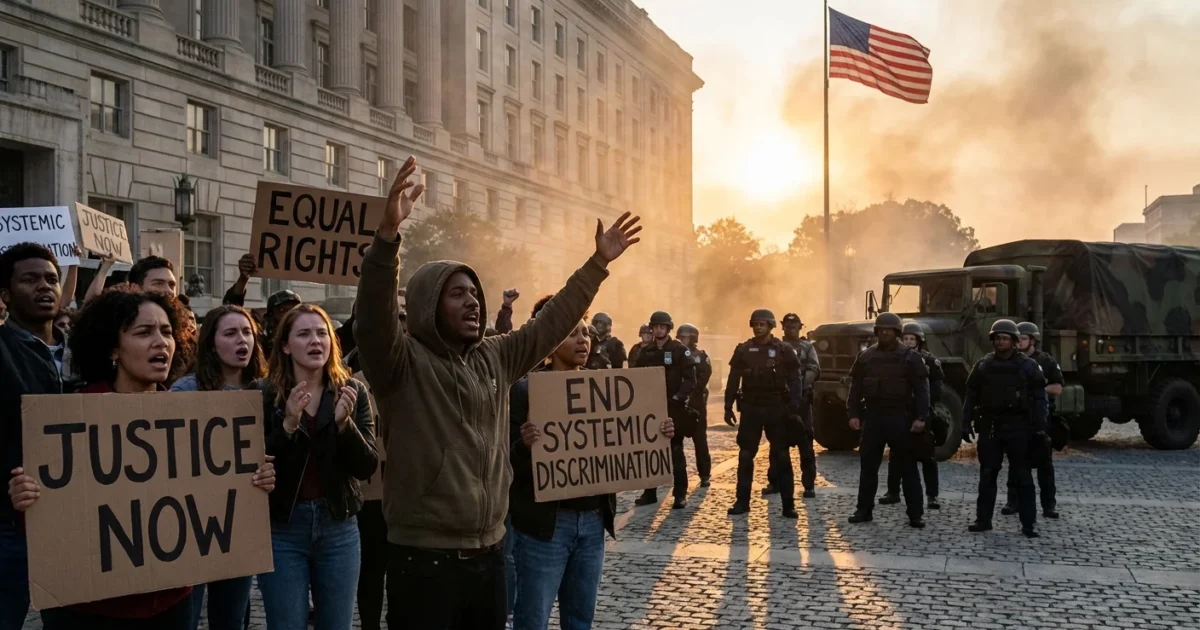
Minneapolis is bracing for a constitutional showdown. Today, former President Donald Trump threatened to invoke the Insurrection Act in Minnesota, citing what he called an attack on federal immigration officers amid growing street unrest. If he moves ahead, the country will face a rare test of executive power at home, the limits of protest, and the role of the military in civil life. 🚨
What happened, and why it matters
Protests surged after two ICE shootings in Minneapolis. Renée Nicole Good was killed on January 7. A second shooting on January 14 wounded a suspect. Demonstrations swelled, some turned destructive. Federal officials reported vandalism of ICE vehicles. The FBI posted a reward for help identifying those responsible.
Trump is now warning he could federalize the Minnesota National Guard or send active duty troops. He is framing parts of the protests as an insurrection aimed at ICE. The Insurrection Act allows domestic use of federal troops under narrow terms. It has been used sparingly, for example in the 1992 Los Angeles riots and during civil rights enforcement. A 2006 expansion of the law was rolled back in 2008 after bipartisan alarm.
Does Minnesota meet the Insurrection Act test
The Act opens three doors. First, a governor can request help if the state cannot control violence. That has not happened. Second, the President can act if unlawful obstruction makes it impossible to enforce federal law. Third, the President can step in if a state cannot, or will not, protect constitutional rights.
Minnesota leaders say they are managing the situation. Governor Tim Walz, Attorney General Keith Ellison, and Minneapolis Mayor Jacob Frey are preparing to fight any federal move in court. State police powers remain intact. Courts are open. Local agencies are operating. That record cuts against a claim that civil authority has failed.
The President must also issue a formal proclamation to disperse before deploying troops. If he skips that step, courts can see it as a red flag. Even with a proclamation, judges will look at whether the facts match the law’s strict standard.
Before troops deploy, the law requires a presidential proclamation ordering unlawful assemblies to disperse. Skipping this step risks immediate legal trouble.
The Posse Comitatus Act normally bars the military from domestic policing. The Insurrection Act is the main exception. Using it to protect a federal agency from protest would be a novel reach in this setting. Constitutional scholars warn it could widen the Act beyond its historic purpose.
How courts will judge a unilateral move
Courts have often given Presidents room in emergencies, but not a blank check. Judges can review whether the factual basis supports using troops. They can also police how force is used on the ground. Past rulings show two tracks. There is deference to executive judgment on threats. There is strict scrutiny when civil liberties are squeezed without clear necessity.
Expect a fast legal blitz if Trump signs an order. Minnesota would likely seek a temporary restraining order. A judge would weigh the likelihood of success, irreparable harm, the balance of equities, and the public interest. If the Guard is federalized, the Governor loses command. That alone could spark immediate hearings on federalism and state sovereignty. ⚖️
- Watch for these signals next: a formal proclamation, an order changing Guard command, a state lawsuit filing, and any published rules of engagement for troops.
What it means for protest, policing, and your rights
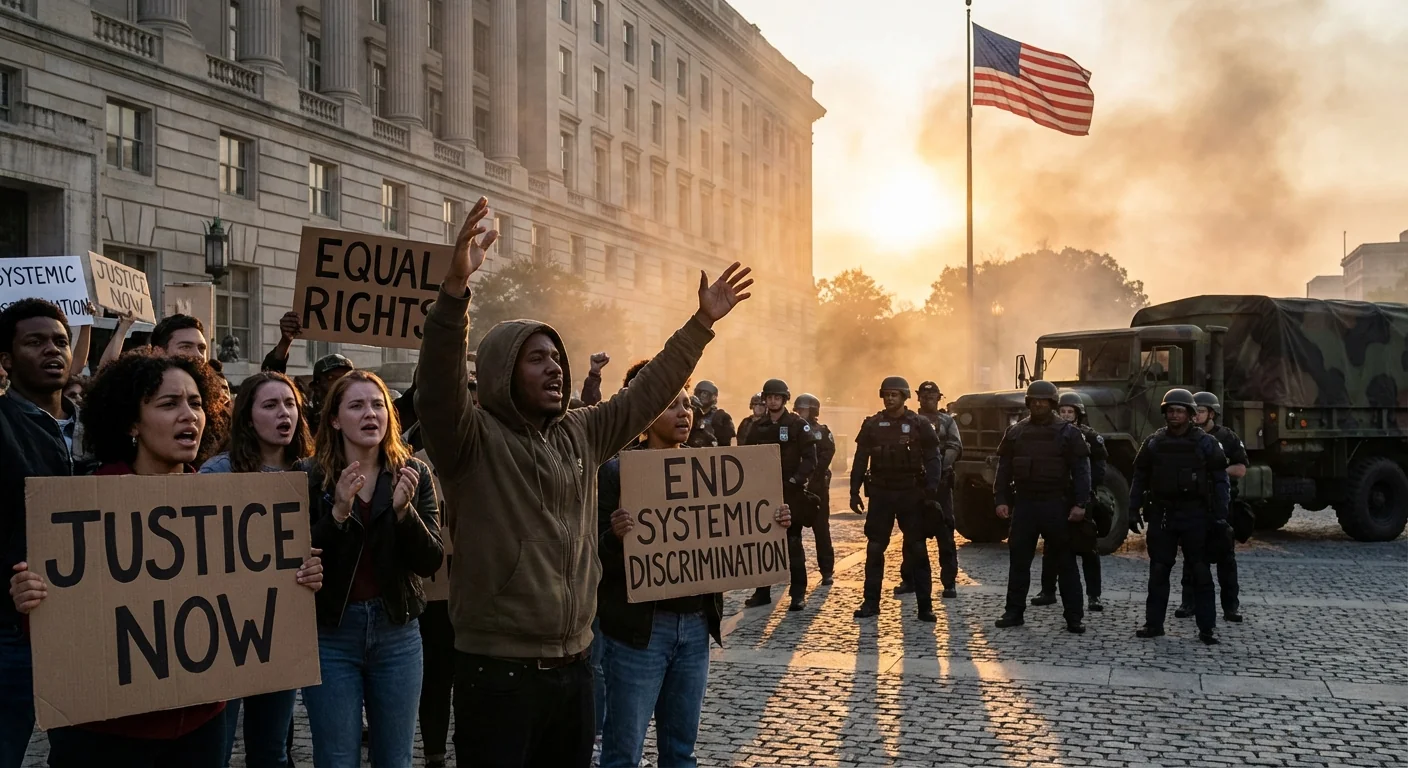
Peaceful protest is protected by the First Amendment. Violence and arson are not. Military forces on city streets raise risks. Chain of command is tight. Training for crowd control can differ from local practice. That can chill speech, and it can escalate minor clashes into wider conflict if lines are unclear.
If you are protesting, know the basics. You can record public officials in public places. Obey lawful dispersal orders. Ask if you are free to leave. Do not interfere with arrests. Curfews, if issued, must be neutral and limited in time and scope.
Carry ID, a charged phone, and a contact for legal help. Stay with a group. Follow clear police instructions. Document interactions calmly.
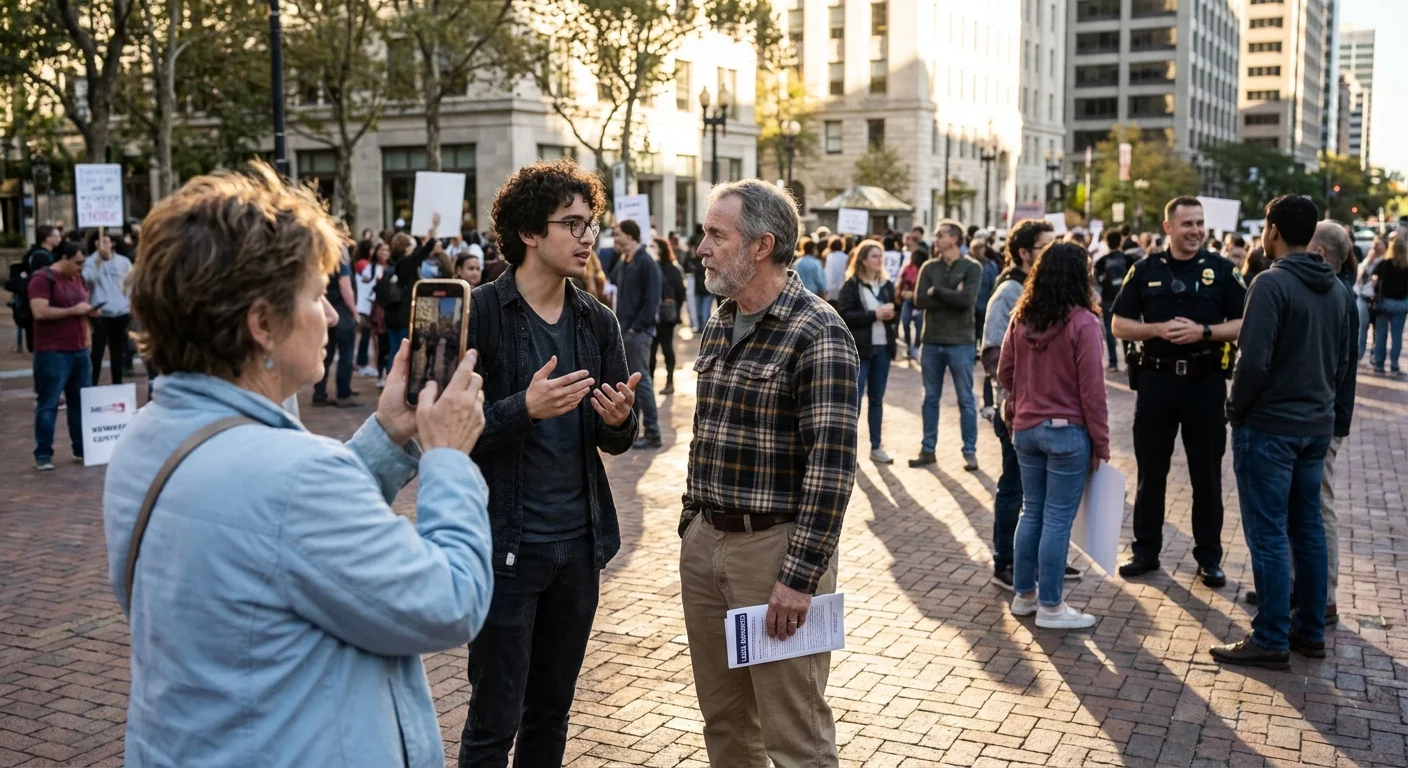
If active duty troops deploy, expect restricted zones, quick dispersal orders, and federal charges for assault on officers or damage to federal property. Penalties can be severe.
The stakes for federal power and policy
This is a defining stress test for federalism. If the Insurrection Act is used over state objections, and in the absence of a clear collapse of order, it could reset the boundary between federal and state power. It would also invite Congress to revisit the law, adding guardrails, reporting duties, or time limits.
For civil liberties, the danger is precedent. Using soldiers to police protests about federal conduct, without proof that Minnesota is unable to enforce the law, risks normalizing military solutions to civic disputes. That would be a sharp turn in our domestic policy.
Conclusion: The legal fuse is lit. Whether the Insurrection Act fits this moment will be decided first in courtrooms, and then in the court of public life. I will continue to track each order, filing, and on the ground change, and I will report what it means for the law and for you.