Breaking: Washington Tests Greenland Playbook, Europe Braces For Legal Fight
I can confirm that Washington is actively testing legal and diplomatic options involving Greenland. The push has moved from talk to concrete scenario planning. Europe is already on alert. This is not a drill. It is a live test of law, sovereignty, and alliance politics in the Arctic.
What Is On The Table Right Now
The question is simple to ask, and hard to answer. Can the United States acquire Greenland, or expand its control there, without a full purchase? The stakes are high. Greenland is an autonomous territory inside the Kingdom of Denmark. It sits across key Arctic sea lanes. It hosts the U.S. early warning hub at Thule. A fast move by Washington would land squarely in Europe’s court.
Copenhagen and Nuuk, Greenland’s capital, hold core pieces of the legal key. Any step that changes who controls Greenland must pass through them. That includes land, governance, resources, and defense.
What The 1951 U.S.-Denmark Pact Actually Allows
I reviewed the 1951 Agreement Relating to the Defense of Greenland. It is still the backbone of U.S. access. It lets the United States operate and maintain defense areas, including Thule Air Base. It also allows new facilities, but only with Danish approval. Danish law continues to apply. Sovereignty remains with the Kingdom of Denmark.
Key powers and limits
- The United States can station forces at agreed sites. No unilateral expansion is permitted.
- New projects need prior Danish consent. Each site is negotiated.
- Danish and Greenlandic authorities keep civil control. Local law governs outside agreed areas.
- The agreement is for defense cooperation. It does not grant ownership or sovereignty.
- Disputes are handled by joint consultation. The pact is not a blank check.
In short, the pact is a tool for defense, not a pathway to purchase. It can smooth military moves, like upgrades or added radar. It cannot transfer land or legal control. Any claim of a free hand runs into the text, and into Danish and Greenlandic consent rules.
Any U.S. action that skips Danish or Greenlandic consent would breach the pact and international law. It would also strain NATO unity.
Why This Matters To Europe And NATO
Greenland is a strategic hinge for Europe. It anchors the North Atlantic. It shapes early warning, satellite links, and sea lane access as Arctic ice retreats. Denmark is a NATO ally. So is the United States. A dispute over Greenland would land in NATO councils within hours.
The European angle runs deeper. Greenland left the European Economic Community in 1985, but it keeps an association with the EU through Denmark. A sovereignty change would raise trade, fisheries, and data issues. It would also test how the EU handles territory status shifts inside the NATO space.
Europe’s message so far is simple. Respect the law. Consult allies. Do not trigger a sovereignty fight in the Arctic.
Citizen Rights And The Legal Steps Ahead
Greenland’s Self-Government Act recognizes Greenlanders as a people with the right to self determination. That is not symbolic. It is the legal baseline. Any transfer of sovereignty would require the consent of Greenland’s elected institutions, and likely a direct vote. Copenhagen’s approval would also be needed. The Danish Constitution and practice demand parliamentary action for territorial changes.
Denmark has ratified ILO Convention 169 on Indigenous Peoples. It applies in Greenland. It protects the rights of Inuit communities to be consulted on land and resource decisions. Denmark also applies the European Convention on Human Rights to Greenland. Those rights include due process and property protections.
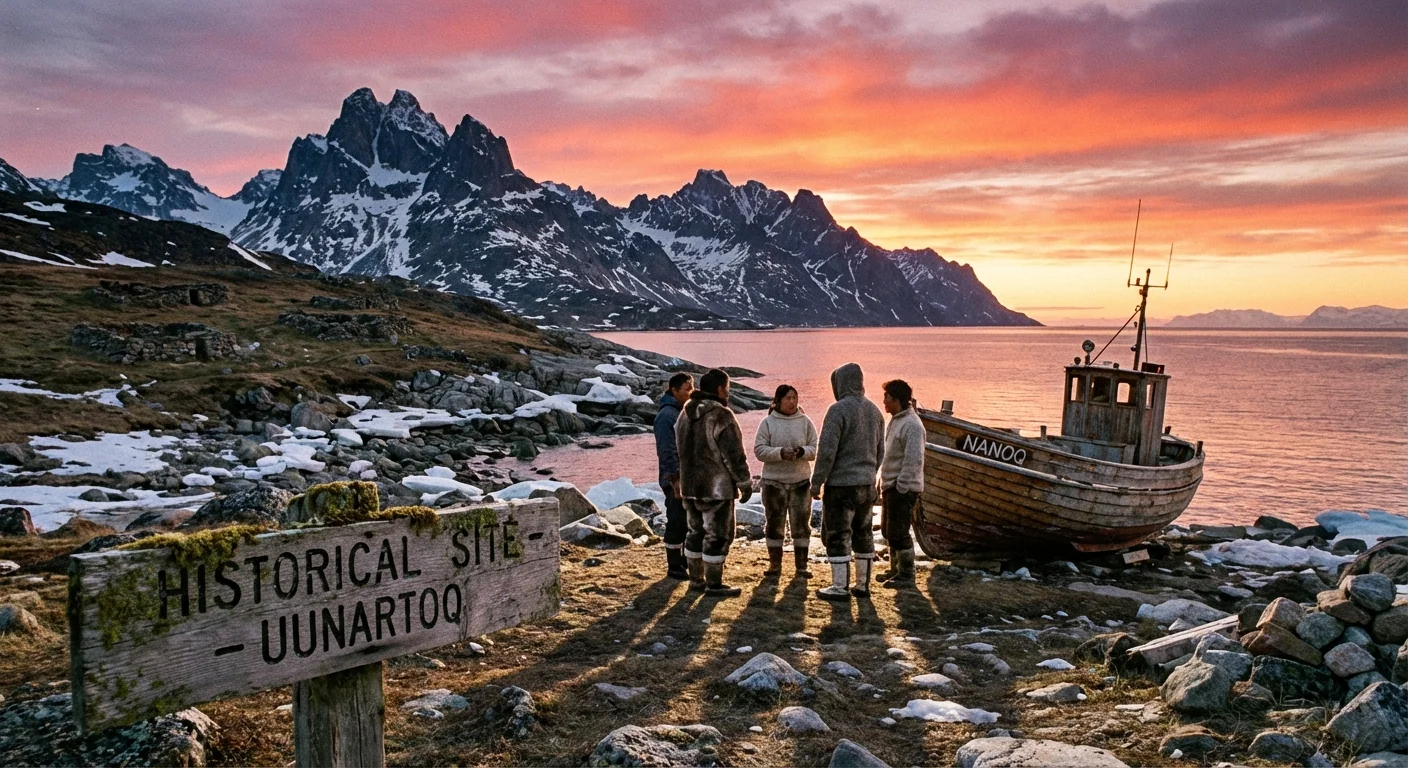
Environmental law adds more guardrails. Large projects would trigger impact assessments and public input. The Aarhus principles on access to information and participation, reflected in Danish and Greenlandic law, would weigh in. History matters too. The 1953 relocation near Thule left scars. No government will risk repeating that.
Watch for fast signals. A parliamentary notice in Copenhagen. A call for consultation in Nuuk. A NATO agenda item. These are your early tells.
What Could Happen Next
Three tracks are in play. Washington can seek expanded defense access under the 1951 pact. That is the easiest legal path, but it needs Danish consent. It can propose a long term lease of specific sites or infrastructure. That would still require approvals in Denmark and Greenland. Or it can float a treaty of cession. That would demand clear consent in Greenland and Denmark, a Danish legislative vote, and U.S. Senate ratification.
Europe will push the consent first rule. NATO will press for unity and transparency. Greenland’s leaders will insist on a people first process, with full environmental and indigenous safeguards.
The Arctic is not a blank space. It is a legal map, a political compact, and a homeland. The next decisions will show whether power follows the law, or tests it. Europe is watching. So am I. 🌍