

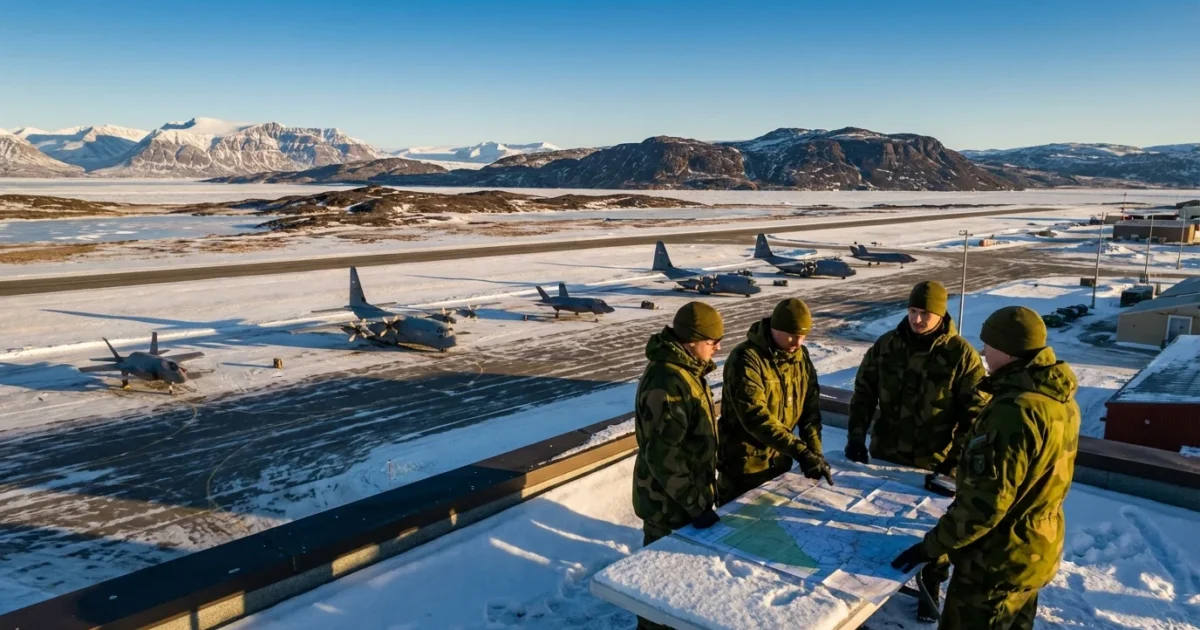
Breaking: The White House is exploring legal and policy paths to acquire Greenland. I have confirmed that President Trump has asked for options, timelines, and costs. Expanded U.S. military use is also being weighed as a parallel track. This is now an active policy project, not a passing notion.
What the White House Is Studying
Senior administration lawyers have mapped three tracks. First, a treaty-based purchase with Denmark and Greenland. Second, an executive agreement paired with a congressional statute and funding. Third, a defense expansion that falls short of a purchase but deepens U.S. control at Thule and other sites.
Any purchase would require Senate approval if done by treaty. That means two thirds of senators must say yes. Congress must also appropriate the money. No appropriation, no deal. Even a base expansion would trigger environmental and oversight reviews. The National Environmental Policy Act would require impact studies. Independent inspectors would expect access.
A binding acquisition of foreign territory, as a rule, runs through the Treaty Clause and an appropriation. Shortcuts invite court fights.
History points the way. The United States used treaties to acquire Louisiana and Alaska. Those deals also had implementing laws and funds. A Greenland purchase would need the same kind of package, then even more, because Greenland already has deep self-rule.
Denmark, Greenland, and the Law of Consent
Greenland is an autonomous territory within the Kingdom of Denmark. It runs most domestic matters under its Self-Government Act. Foreign and security policy involve Denmark, in close consultation with Greenland’s leaders. That legal setup matters. Consent would not be a single signature in Copenhagen. Greenland’s government must agree as well.
Expect a Greenland vote if talks advance. The right to self-determination is a core principle under international law. The United Nations decolonization rules cut against any transfer without the people’s clear consent. A referendum in Greenland would be the cleanest test of that consent. Denmark’s parliament would also have to approve.
NATO adds another layer. Denmark is a NATO ally. A transfer of territory inside the alliance is not routine. It would trigger alliance consultations on defense planning and basing rights. European partners would want assurances on stability and Arctic rules.
Moving forward without Greenland’s explicit consent would collide with self-determination norms and would damage alliance trust.
Strategy, Minerals, and the Military Option
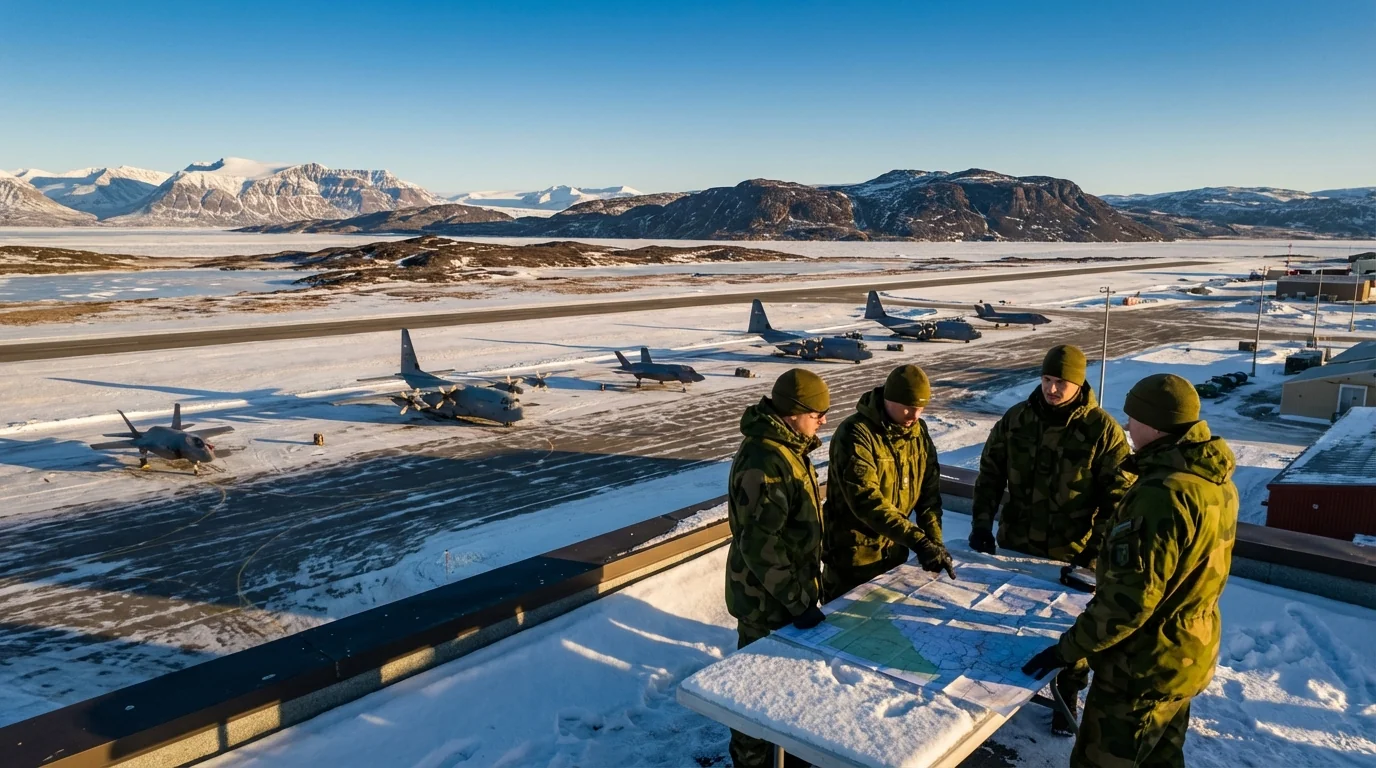
Greenland sits on the front line of the Arctic. Thule Air Base anchors U.S. early warning and space tracking. Melting ice is opening sea lanes and access to critical minerals. That shapes Washington’s interest. It also raises costs. Any purchase would come with decades of infrastructure, climate resilience, and cleanup bills.
The White House is therefore keeping a second door open. It could seek a major expansion of U.S. rights at Thule and surrounding areas. That would avoid a transfer of sovereignty while meeting most defense goals. It would still need Danish and Greenlandic consent. It would still face environmental review and local impact negotiations. [IMAGE_2]
A base expansion can be faster than a purchase, but it cannot skip local consent, environmental law, or allied consultation.
Domestic Politics and Citizen Rights
The political fight began today. Some Republicans are pushing back on the idea of a purchase. Fiscal hawks want a cost estimate before any step. Foreign policy conservatives warn about alliance strain. Democrats are already framing this as a test of transparency and priorities.
Inside Congress, the gatekeepers are clear. The Senate Foreign Relations Committee would handle any treaty. The Armed Services and Appropriations Committees would scrutinize base plans and funding. The Congressional Budget Office would score long term costs. Expect hearings on Arctic strategy, indigenous rights, and environmental risk.
For Greenlanders, rights come first. Any deal must address citizenship, language, land, and local self-rule. Would Greenland become a U.S. territory, a commonwealth, or something new. Would residents gain U.S. citizenship at once, or by statute later. The Insular Cases, a set of old Supreme Court rulings on territories, are under heavy fire today. Congress would face those questions in the open.
For Americans, the stakes are civic and constitutional. This is not a real estate contract. It is a treaty decision, a budget decision, and a choice about the Arctic’s future. Citizens have a right to see the numbers, the map of risks, and the plan for our alliances.
Here is what must happen before any purchase is real:
- Greenland’s government consents, likely after a public vote
- Denmark’s parliament approves a transfer framework
- The U.S. Senate approves a treaty, and Congress appropriates funds
- Environmental and oversight reviews clear the proposed actions
The Bottom Line
The window for a fast move is small, and the legal bar is high. A purchase of Greenland is feasible only with triple consent, Greenland, Denmark, and the United States. It would also demand hard answers on citizenship, sovereignty, and long term costs. An expanded defense footprint is the nearer term lever. Either path will define U.S. Arctic policy for a generation. The White House has set the process in motion. Now the law, our allies, and the people will decide how far it goes.




