BREAKING: The “Donroe doctrine” is here, and it is already reshaping the map of power in the Americas. The coined label, a mash up of Donald Trump and the Monroe Doctrine, now sits at the center of a fast moving legal and policy fight after U.S. strikes on targets in Venezuela. The question is stark. Can Washington claim a hemispheric policing role without clear authority at home or abroad?
What the “Donroe doctrine” means
The original Monroe Doctrine told outside powers to stay out of the Western Hemisphere. Today’s twist is different. The “Donroe doctrine” signals a muscular, unilateral U.S. posture inside the hemisphere. It is not a signed policy. It is a mindset and a message. The line is simple. The United States will act first in the Americas, and it will do so on its own terms.
That framing now meets real force. The strikes in Venezuela test whether that posture can hold up under U.S. law, the U.N. Charter, and regional rules. They also test how Latin American governments will respond to a revived intervention playbook.
War Powers law starts a clock. The White House must notify Congress within 48 hours, and end hostilities in 60 days without approval.
The legal stakes in Washington
Everything begins with the Constitution. Congress declares war. The President can use force to protect the nation. The War Powers Resolution links those roles. If the President did not have specific authorization to strike Venezuela, two questions matter right now.
First, did the administration send the required 48 hour report to Congress that explains the legal basis, scope, and need for the action. Second, will the President seek an authorization for use of military force, or will the White House argue that Article II powers are enough.
The 2001 and 2002 war authorizations do not fit Venezuela. That narrows the path. Without a new vote, the 60 day clock, with a 30 day withdrawal period, becomes decisive. Congress can also cut off funds. Expect hearings, subpoenas, and hard deadlines.
Oversight and the courts
Lawmakers can demand intelligence that supported the strikes. They can require public reporting on civilian harm. Lawsuits may follow, but courts often avoid war powers fights. Still, litigation can force disclosures. It can also shape how long operations can continue.
International law and regional rules
Under the U.N. Charter, force against another state is banned except for self defense or with Security Council approval. If the United States claims self defense, it must show an actual or imminent armed attack, and that force was necessary and proportionate. If there is no such claim, the legal ground looks thin.
The Organization of American States has a strong non intervention norm. Members can convene and condemn or support action. They can push for mediation. Collective defense tools exist in the region, but they require consultation and consent. Unilateral moves strain that system.
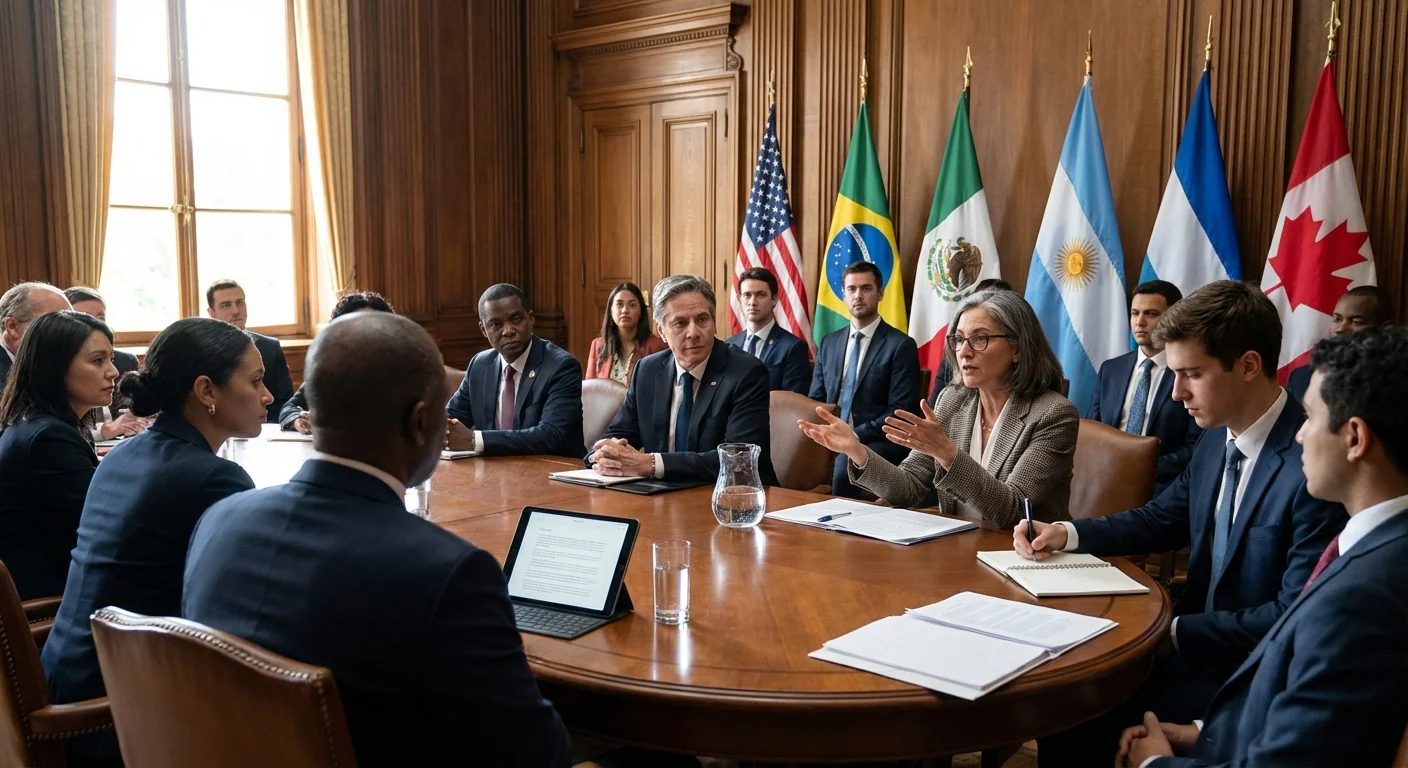
Escalation risk is real. Strikes can trigger retaliation, proxy moves, and spillover across borders.
The policy gamble and regional blowback
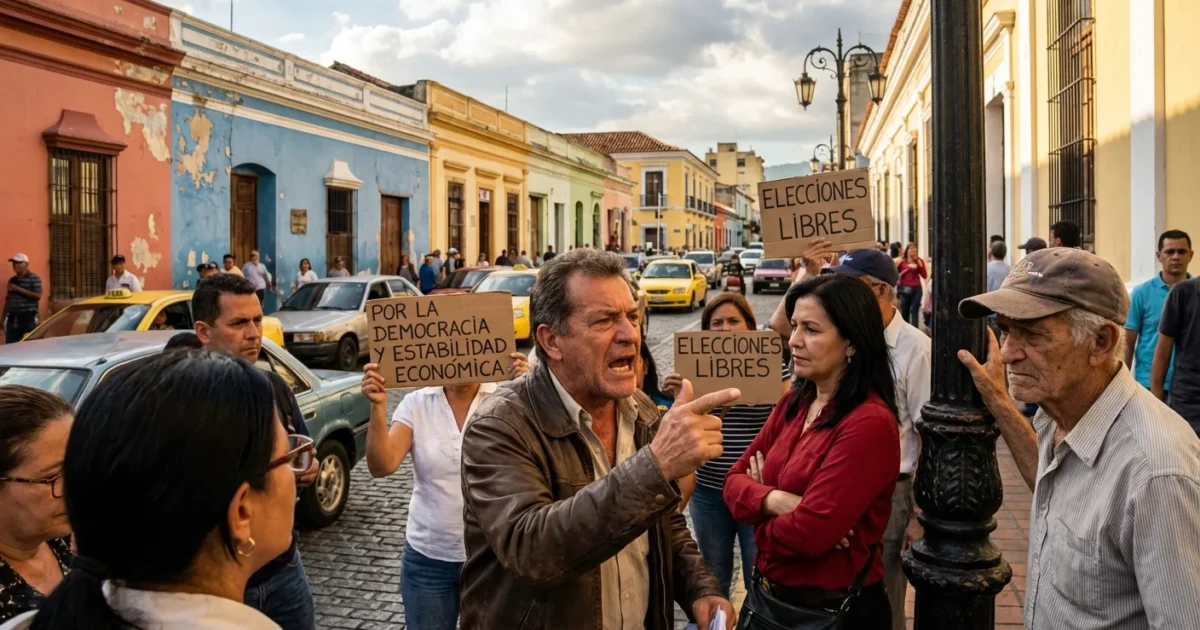
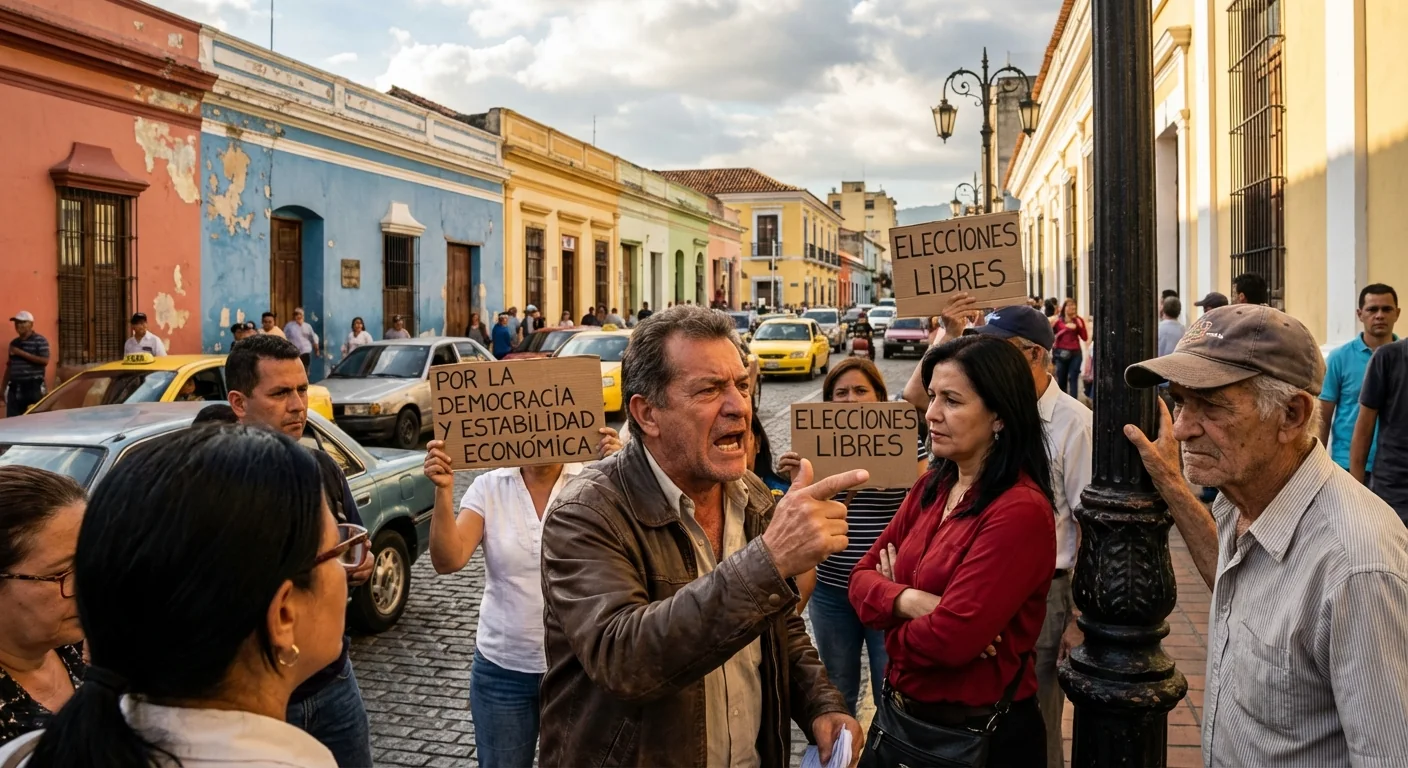
A revived hemispheric intervention posture may deter some actors. It can also rally the region against Washington. Neighbors will watch for repeat strikes, expanded target lists, or cross border operations by others who cite the same playbook. If great power rivals deepen ties with Caracas, the cycle hardens.
Energy markets and migration flows are part of the fallout. Disruption in Venezuela can move oil prices and push families to flee. That pressure lands first on Colombia and the Caribbean, then at the U.S. border. Policy planners must prepare for both security and humanitarian effects.
Key questions officials must answer
- What is the precise legal basis for the strikes, domestic and international
- What is the objective, and how will the United States measure success
- How will civilian harm be tracked and reported
- What is the exit plan if Venezuela responds or the crisis widens
What this means for citizens
This is not an abstract fight. It is about who decides when the United States uses force. It is about transparency and limits. Citizens have clear rights here. You can petition your representatives. You can demand open hearings on the legal basis and objectives. You can ask for the War Powers reports that the administration must file. Service members and their families also need clarity on mission scope and duration.
If Congress is cut out, that sets a precedent for future unilateral action, anywhere in the hemisphere. If Congress engages, the system works as designed, with public debate and a recorded vote.
Watch the calendar. If Congress does not authorize this operation before the War Powers deadline, the law requires a drawdown.
What to watch next
- The text of the 48 hour War Powers notification, and any new authorization request
- A U.N. letter invoking self defense, if the United States files one, and the evidence it cites
- An OAS meeting, statements from key regional governments, and any joint action proposals
- Budget moves in Congress that fund or limit further operations
Conclusion
The “Donroe doctrine” is a catchy label, but the stakes are concrete. The United States is testing how far it can go in the Americas without clear backing from Congress or the international system. The coming days will tell us whether this doctrine becomes a lasting policy, or a brief moment checked by law, regional norms, and public oversight. The clock is running, and the rule of law is on the line. ⚖️