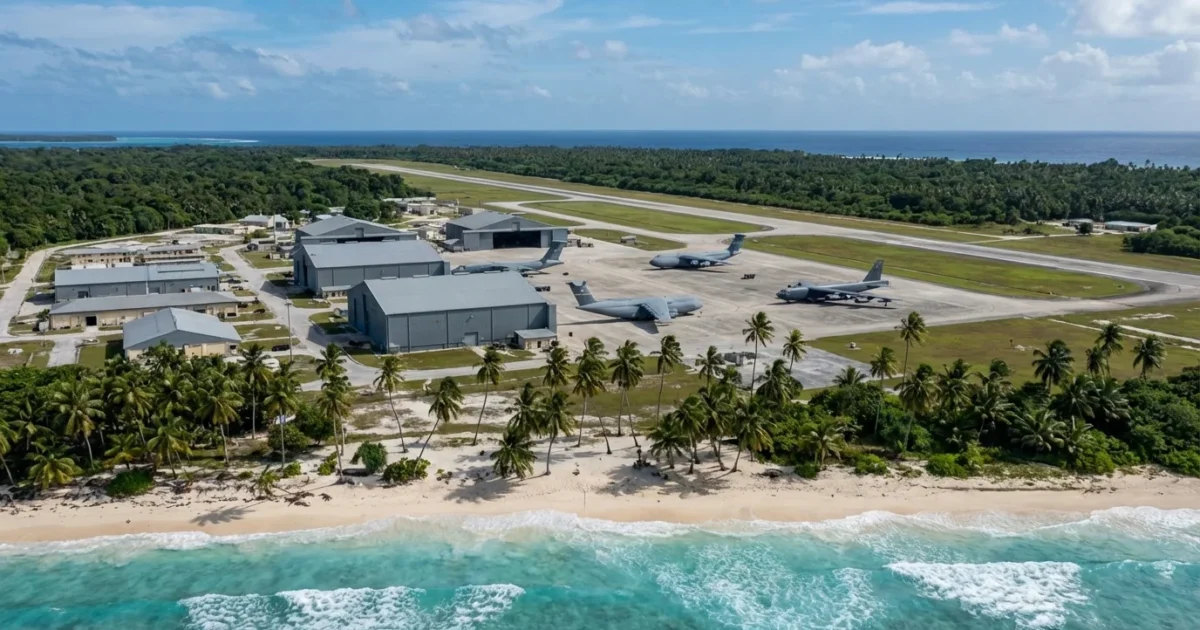
Breaking: Diego Garcia has erupted into a high stakes legal and policy fight. The key U.S. base in the Indian Ocean sits on British ruled land. Mauritius claims that land. Today, sharp words from Donald Trump lit the fuse. He attacked a planned U.K.-Mauritius deal and called it stupid. He also tied it to his past push to acquire Greenland. The clash now lands on the desks of London and Washington. It also revives the rights of the Chagossian people, who were forced from their homes.
Why Diego Garcia matters
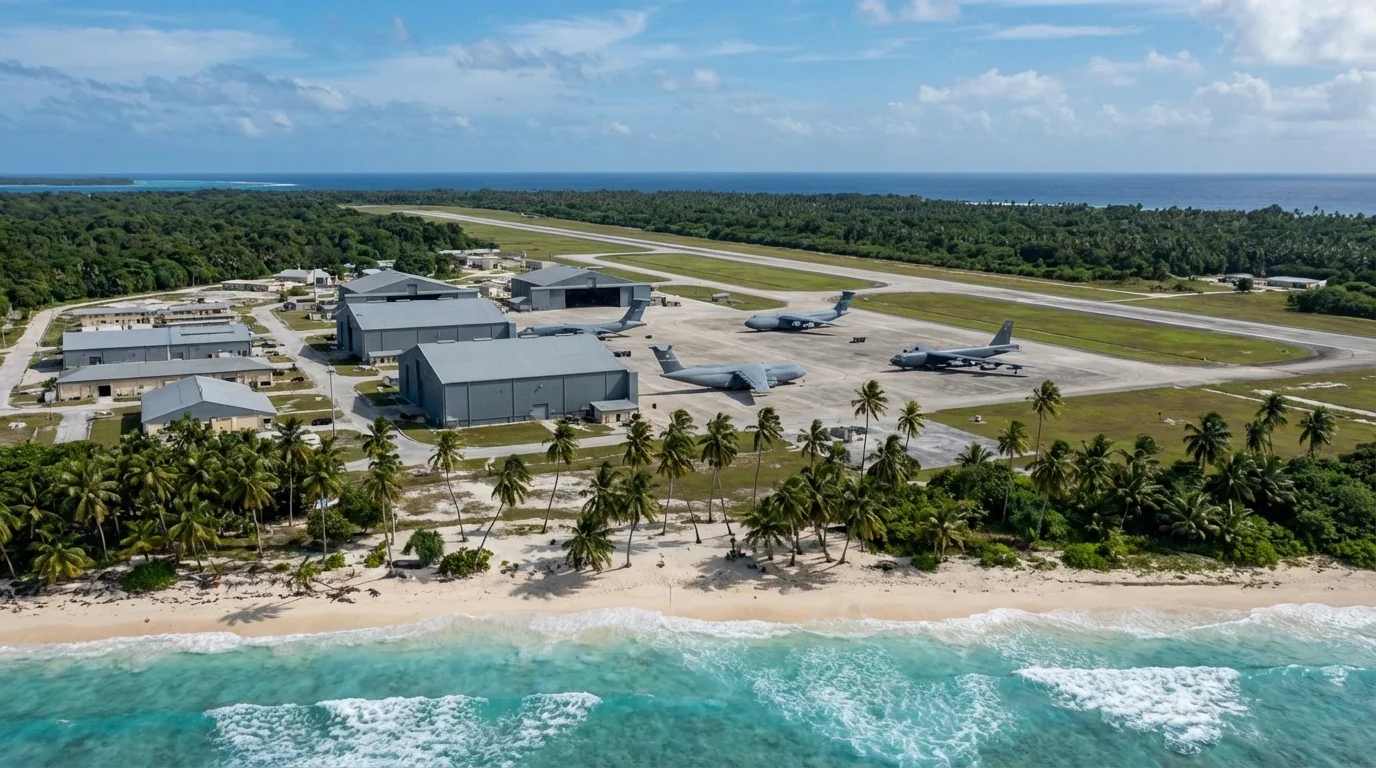
Diego Garcia is not just a dot on a map. It is a launch point for U.S. air and naval power across the Middle East and the Indo-Pacific. Bombers, submarines, and refuelers flow through it. The runway is long. The lagoon is deep. The location covers chokepoints and sea lanes that keep trade moving.
The island sits inside the British Indian Ocean Territory. The U.S. uses it under a long standing deal with the U.K. That military link is tight. It has shaped decades of joint strategy. Any change to who holds the flag over the islands must keep that access secure, or risk a gap that rivals could exploit.
The law on the table
This dispute is about decolonization and self determination. In 2019, the International Court of Justice gave an advisory opinion. It said the U.K. should end its administration of the Chagos Islands. Soon after, the United Nations General Assembly urged the same. These acts are not court orders. But they carry real legal and political weight.
London has been talking with Mauritius about a settlement. The likely shape is clear. Mauritius would gain sovereignty. The U.S. would keep its base under a long term lease. That means a status of forces style agreement, clear jurisdiction rules, and continuity for operations. It would also mean coordination on policing, customs, and environmental rules.
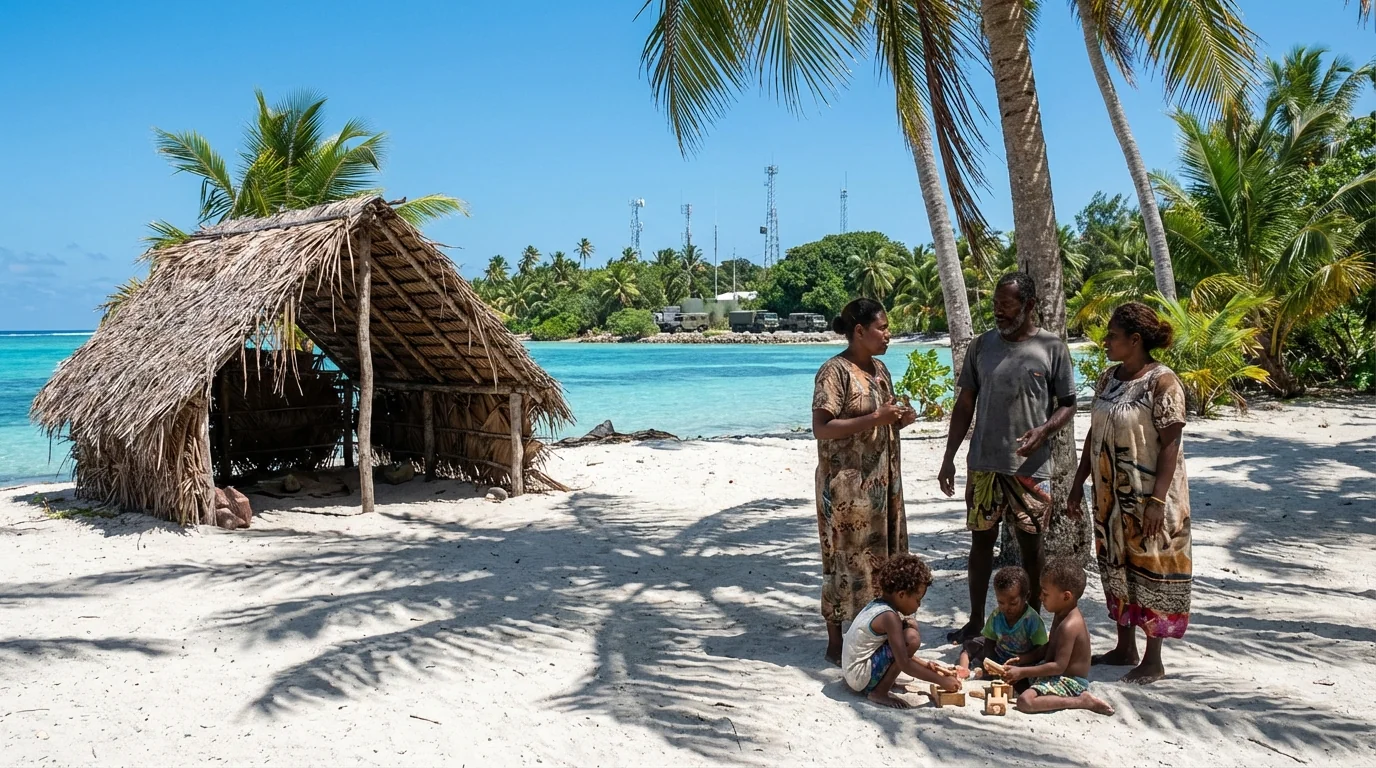
The hardest question is human. Chagossians were expelled in the late 1960s and 1970s. Any deal must address return, compensation, and recognition. Resettlement is not just a policy choice. It is a rights question under international law.
The ICJ opinion is advisory, yet it sets a legal baseline. Ignoring it invites diplomatic cost and court challenges.
What Trump just changed
Trump’s blast turned a quiet negotiation into a public fight. He called the U.K.-Mauritius plan reckless. He pointed to Greenland to argue for bold U.S. moves. His words raise pressure on Prime Minister Keir Starmer. They also test U.S.-U.K. alignment in the Indo-Pacific.
Here is the reality. A sovereignty shift to Mauritius does not mean the U.S. loses Diego Garcia. The base can operate under a lease, with terms that protect U.S. forces and assets. Command chains and readiness would remain in U.S. hands. The Pentagon needs continuity more than symbolism.
Still, the politics matter. London now faces questions in Parliament on the deal’s text, timelines, and the rights of return. Washington must show it supports allies while securing its posture. Any hint of split will be read by Beijing and Moscow. A steady joint message can shut that door.
Rights and remedies for Chagossians
The people of the Chagos paid the heaviest price. Many were moved to Mauritius and the Seychelles. Some went on to the U.K. They lost homes, work, and community. Justice is overdue.
A credible deal should lock in concrete rights. The promise must be written in law, not left to memos or speeches.
- A phased right of return, with support for housing and jobs
- Fair compensation for past harms, with clear claims processes
- Dual access to citizenship and travel documents, to keep families connected
- Environmental safeguards, so resettlement and the base can coexist
Mauritius has said it supports resettlement. The U.K. has paid some compensation in the past. That is not enough. The next step must be durable and transparent. Courts in Britain will watch closely. So will human rights bodies.
Chagossian families should document lineage and prior residence now. It will speed claims once legal paths open.
What to watch next
London can calm this storm by publishing the heads of terms for the deal. It should commit to a vote in Parliament. It should also set out how it will fund return and compensation. That clarity will blunt legal risks, including judicial review.
Mauritius can help by detailing the lease framework that protects U.S. access. It can also pledge independent oversight on resettlement. Washington should signal support for a continuity lease, paired with respect for decolonization law. Congress will want to review any new funding lines tied to the base.
Here is the bottom line. Diego Garcia is indispensable to Western security, and it sits inside a decolonization case that cannot be ignored. The smart path is lawful, stable, and humane. Keep the base. End the dispute. Restore rights. The window to do all three is open right now. 🔎