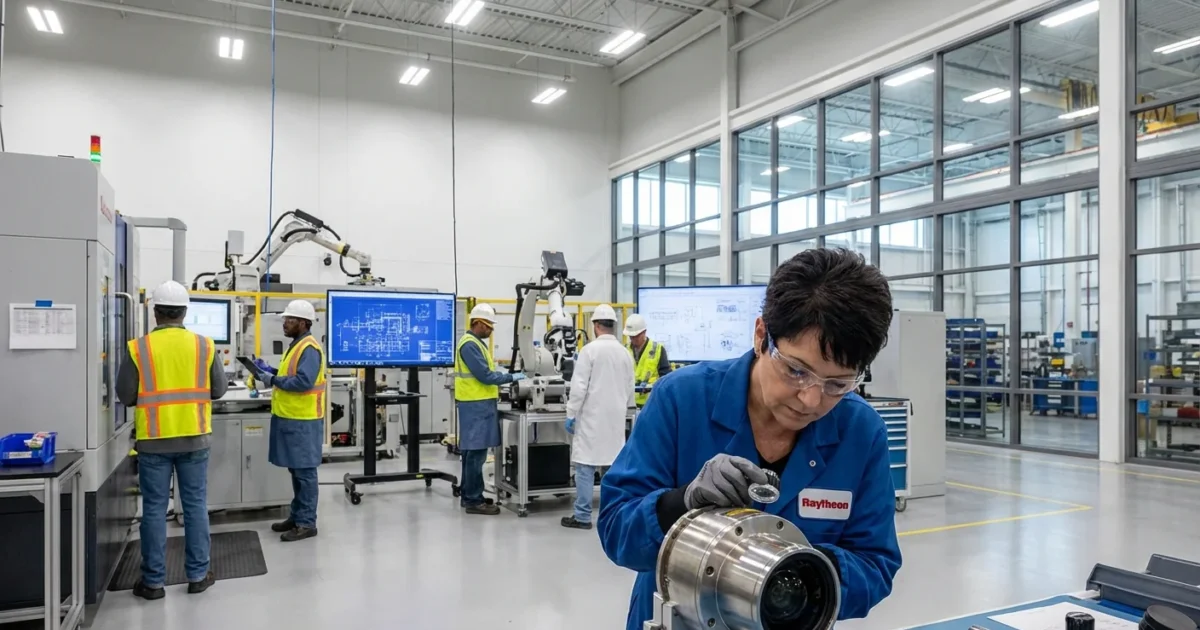
BREAKING: Raytheon faces payout ban talk as Trump vows tougher rules on defense cash
Donald Trump said today he would block dividends and stock buybacks at defense companies while calling for a sharp jump in Pentagon spending. That one-two move puts Raytheon, now part of RTX, under a bright legal and policy spotlight. Higher budgets may be coming. But shareholder payouts could be off the table.
This is a direct challenge to how big contractors use cash. It would reset incentives across the defense base, from boardrooms to factory floors.
The policy swing and why it matters
Raytheon makes missiles, radars, and air defense systems. Think Patriot interceptors and advanced sensors. Demand for these systems is high. Allies are restocking. The Pentagon wants more capacity and speed.
Trump’s stance tightens the screws. He favors more spending on weapons and munitions. At the same time, he wants to ban cash returns to investors. That tension is the story. Growth without payouts would push funds into plants, tooling, and people.
A real ban would need Congress or formal procurement rules. A speech is not a binding order.
For Raytheon, the near term impact is uncertainty. Management would have to plan for more orders, yet also assume less freedom to return cash. That could raise the cost of capital, change buy plans, and shift board priorities.
Can a president block buybacks and dividends
There are three lawful paths, each with limits.
First, Congress can legislate. Lawmakers could condition federal funds, or defense contracts above a dollar threshold, on no buybacks and no dividends for a set period. This model exists in other programs. Some recent industrial subsidies limit buybacks by award recipients. A statute is the cleanest path. It is also the slowest, and it invites lobbying.
Second, the executive branch can use procurement rules. The Pentagon could add clauses to new contracts that bar certain payouts during performance. To do this at scale, the Federal Acquisition Regulation and the Defense supplement would need updates. That means notice, public comment, and a reasoned final rule. Any shortcut risks lawsuits under the Administrative Procedure Act.
Third, emergency tools can come into play. Under the Defense Production Act, the government can attach strings to targeted awards to expand capacity. That could include limits on distributions tied to those awards. This is narrower and applies deal by deal.
There are legal guardrails. Corporate law gives boards discretion over dividends, but the government is not powerless. It can set terms for doing business with it. What it cannot do is rewrite state corporate law by fiat. A sweeping, sector wide ban by executive order would face quick court challenges. Expect arguments about statutory authority, procurement integrity, and arbitrary action.
Rules written in haste often jam the contracting pipeline. Clarity and timing will drive whether orders speed up or stall.
What this means for Raytheon and the defense base
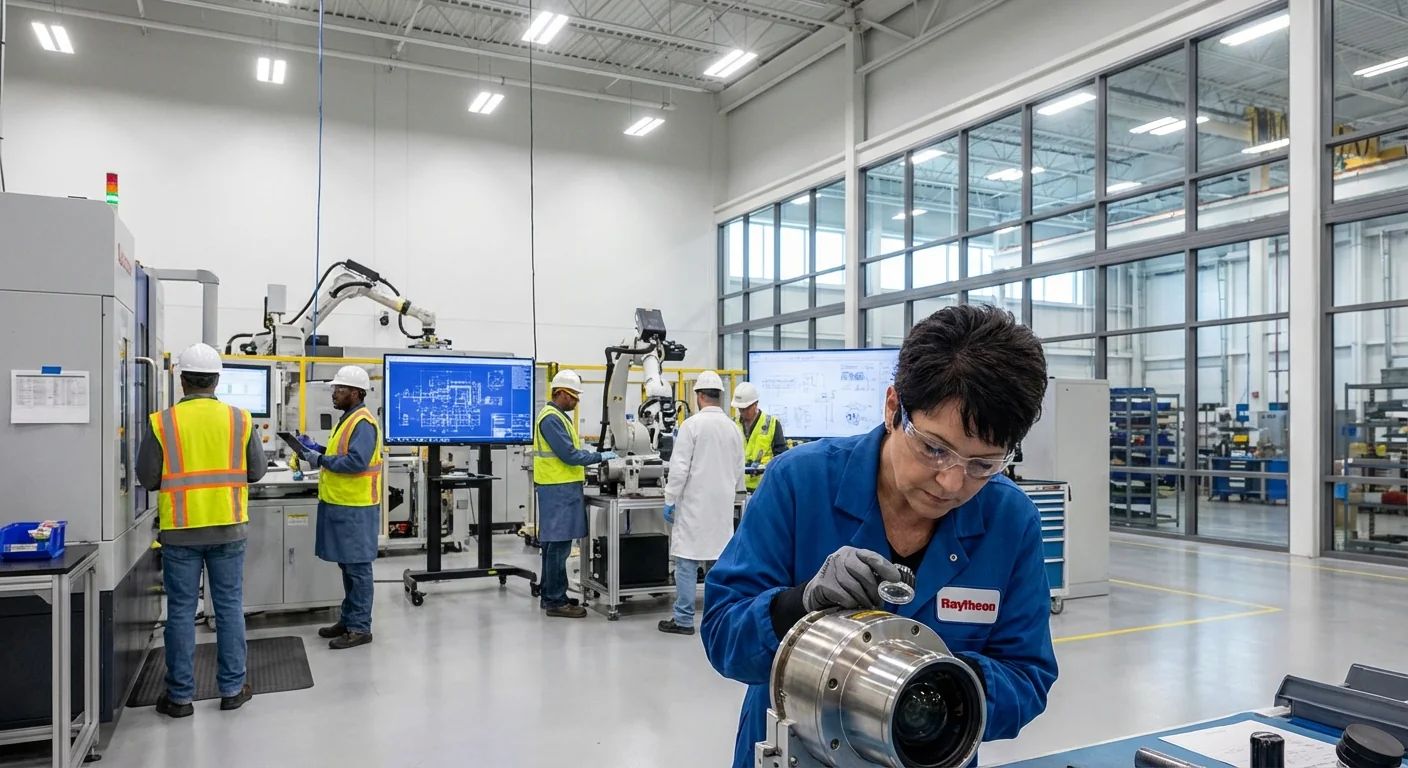
If payouts are curbed, cash will migrate to operations. For Raytheon, that likely means more funds for suppliers, overtime, new lines, and testing capacity. Lead times for key parts could improve. Delivery schedules might stabilize.
Investors would feel the shift. RTX has used buybacks and dividends to return value. If that door closes, the story tilts to growth and reinvestment. Valuation could hinge more on backlog, margins, and execution.
- Winners in this scenario: skilled labor, critical suppliers, and communities near Raytheon plants.
- Risks: higher capital needs, tighter free cash flow, and slower balance sheet returns.
The Pentagon’s aim is clear. It wants higher output of missiles and air defense. A payout ban would try to ensure public dollars stay on the factory floor.

Investor rights and citizen stakes
Shareholders have rights under state law and federal securities rules. A government limit on payouts would not erase those rights. It would set conditions to receive new federal work. That is a key legal difference. Courts tend to uphold conditions that are tied to the government’s role as a buyer, if they are clear and justified.
Citizens also have a stake. Many retirees own defense stocks through pension plans. Fewer dividends cut income for some households. On the other hand, taxpayers fund the Pentagon. Using public money to build capacity, not fund buybacks, is a policy choice with democratic weight.
Transparency will be vital. If rules change, the government should publish the legal basis, the scope, and the sunset terms. Companies should disclose how they will meet the rules, how cash will shift, and what it means for jobs.
Watch company capital plans. New hiring, supplier prepayments, and plant investments are the tell on where policy is biting.
What to watch next
- Does Congress draft a bill to restrict payouts by major defense contractors
- Does the Pentagon start a formal rulemaking to change procurement clauses
- How RTX updates its capital allocation guidance and dividend policy
- Whether suppliers see faster payments and larger orders in the next two quarters
Conclusion
Trump put defense cash use front and center today. For Raytheon, the legal path matters as much as the headline. A lawful, narrow rule tied to contracts is possible. A broad, instant ban is not. If budgets rise and payouts pause, expect a factory first era. The test will be whether that shift delivers more missiles on time, stronger supply chains, and fair returns for the public and for investors.