
Lockheed Martin stock jumps as a huge defense budget idea collides with hard law and real oversight
Markets move fast, but Congress moves the money
Lockheed Martin shares surged after a bold public call for a 1.5 trillion dollar defense budget in 2027. Investors raced in. The legal system will decide what sticks. Congress sets defense spending. Not the White House. Not the market.
Here is what matters in plain terms. A big number can change programs on paper. Cash only flows after authorization and appropriation. Those are separate laws, with separate votes, and they face time rules and fiscal caps. Today’s stock pop reflects hope. The law sets limits.

A headline is not a law. Until Congress passes both authorization and appropriations, today’s rally rests on expectations.
What parts of a bigger budget could reach Lockheed
Lockheed Martin is the top prime contractor to the Pentagon. It lives where policy meets procurement. If Congress raises defense outlays, funds could land in a few clear lanes.
Fighters and sustainment
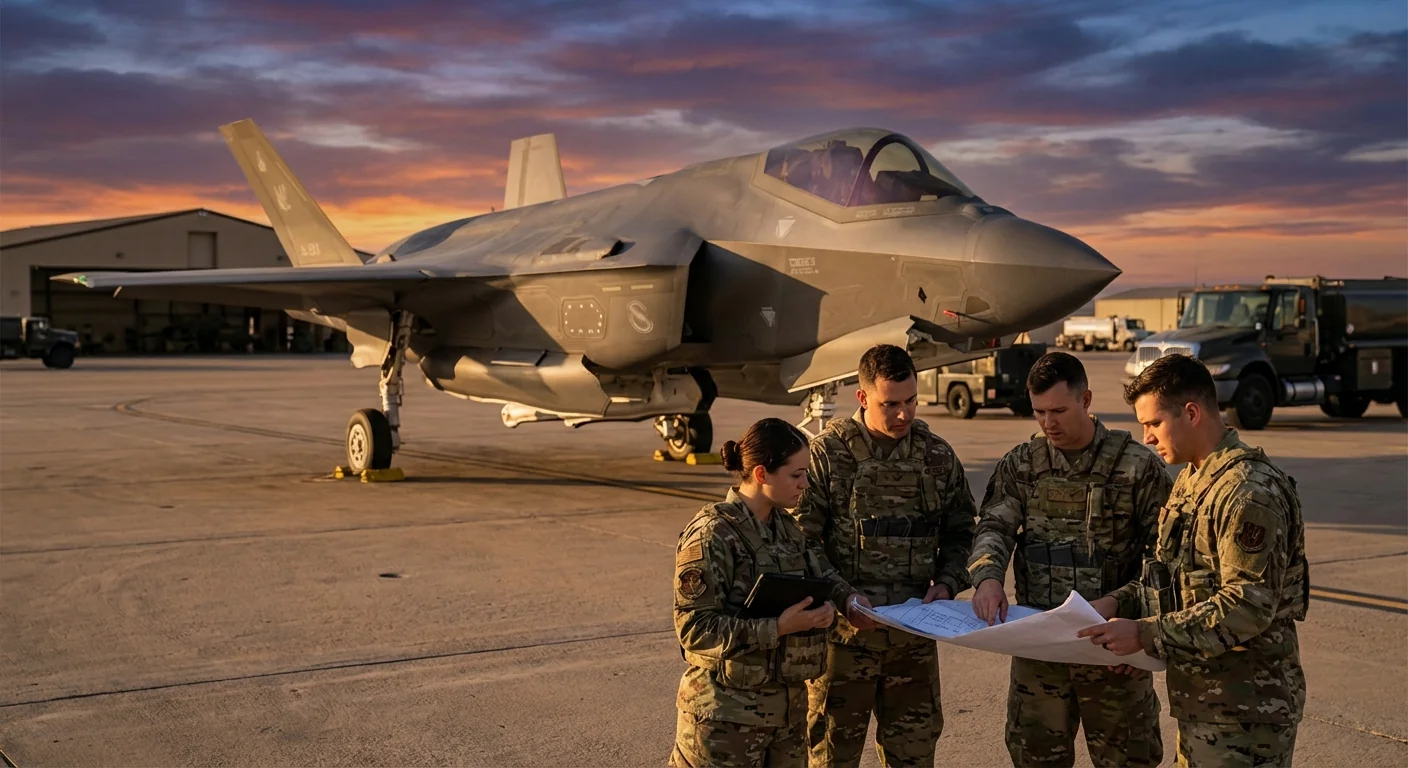
The F-35 drives revenue. More jets and more spare parts mean large, recurring contracts. Sustainment lasts decades. That is where small policy choices can mean big dollars.
Missiles and munitions
The Pentagon wants more inventory depth. That includes JASSM and LRASM for long range strike. It includes GMLRS rockets for Army launchers. It includes PAC 3 interceptors for air defense. Lockheed builds many of these lines.
Missile defense
Homeland and regional defense often grow in tense times. THAAD systems, Aegis upgrades, and command software deliver steady awards when funded.
Space and warning
Missile warning satellites and space communications are budget sensitive. More funds here can support new payloads, launches, and ground systems that Lockheed leads or shares.
The legal path from idea to dollars
Here is the road, step by step, for fiscal year 2027. That year starts on October 1, 2026.
- The President sends a budget to Congress. It is a request, not a mandate.
- Armed Services committees draft the National Defense Authorization Act. That sets policy and program ceilings.
- Appropriations subcommittees write spending bills that release real dollars.
- If talks stall, Congress often passes a continuing resolution. That locks funding at old levels until a deal.
Any large shift, like a jump to 1.5 trillion, must clear all four steps. It must also fit within broader fiscal rules. The Congressional Budget Office will score the impact. Debt limit politics can slow timing. The result may be a compromise that lifts certain accounts, like munitions and readiness, without reaching the headline sum.
House and Senate Armed Services write the NDAA. Defense Appropriations subcommittees write the checks. Those chairs and ranking members are the names to watch.
Oversight, transparency, and citizen rights
Taxpayers fund these contracts. Citizens have tools to follow the money.
- GAO audits track cost, schedule, and performance.
- Inspectors General can probe waste, fraud, and abuse.
- FOIA can unlock records, with limits for classified and trade secrets.
- Public hearings allow testimony from communities and veterans.
Local impacts matter. New lines or plant expansions must clear labor, safety, and environmental rules. NEPA reviews can trigger public input on major projects. Workers keep organizing rights and safety protections. Communities can press state agencies on permits and traffic plans.
Exports will also draw scrutiny. Many Lockheed systems go abroad through Foreign Military Sales. The Arms Export Control Act and ITAR govern those deals. Human rights vetting applies. Congress can block or condition arms transfers.
Want a voice in how funds get used? Submit comments to committee staff, attend town halls, and read GAO quick looks. Your oversight powers are real.
What investors should know under securities law
Today’s spike will test patience and disclosure. Lockheed must file material updates with the SEC when awards are finalized. Management will likely use forward looking statements. Those come with risk factors. Pay attention to program specific notes in the next 10 Q and 10 K.
Bid protests at the GAO can delay awards. Multiyear contracts need special findings on savings and stability. Supply chain bottlenecks can trigger equitable adjustments under federal procurement rules. These are legal gates that slow or shape revenue, even in a rising budget cycle.
Short term rallies often fade when the legislative path looks messy. If the final deal boosts munitions, air defense, and sustainment, Lockheed can still win big. Even if the top line lands below 1.5 trillion.
Policy signals to watch next
- The first FY2027 top line and procurement tables from the Pentagon
- NDAA markups that add aircraft, missiles, and missile defense interceptors
- Appropriations bills that fund multiyear buys for munitions and F 35 sustainment
- Any supplemental for Ukraine, Israel, or Indo Pacific that expands production lines
The bottom line
Lockheed Martin stock rallied on a big budget call. The Constitution gives Congress the purse. The NDAA sets policy. Appropriations spend real money. Citizens hold oversight rights at every step. If lawmakers steer more dollars to munitions, air defense, and sustainment, Lockheed is positioned to benefit. The upside is plausible, not guaranteed. The law will decide how much of today’s excitement becomes cash, contracts, and jobs.