BREAKING: Trump calls for a “total and complete blockade” on Venezuela-linked tankers, demands return of land and oil rights
Former President Donald Trump has called for a total and complete blockade on sanctioned oil tankers traveling to and from Venezuela. He also demanded that Venezuela return land and oil rights to the United States. The announcement landed like a shock wave. Caracas moved fast. Venezuelan naval ships began escorting tankers, raising the risk of run-ins at sea.
This is an abrupt escalation. It pulls legal red lines into full view. It also puts ship crews, insurers, and energy markets on edge.
What Trump said, and what moved on the water
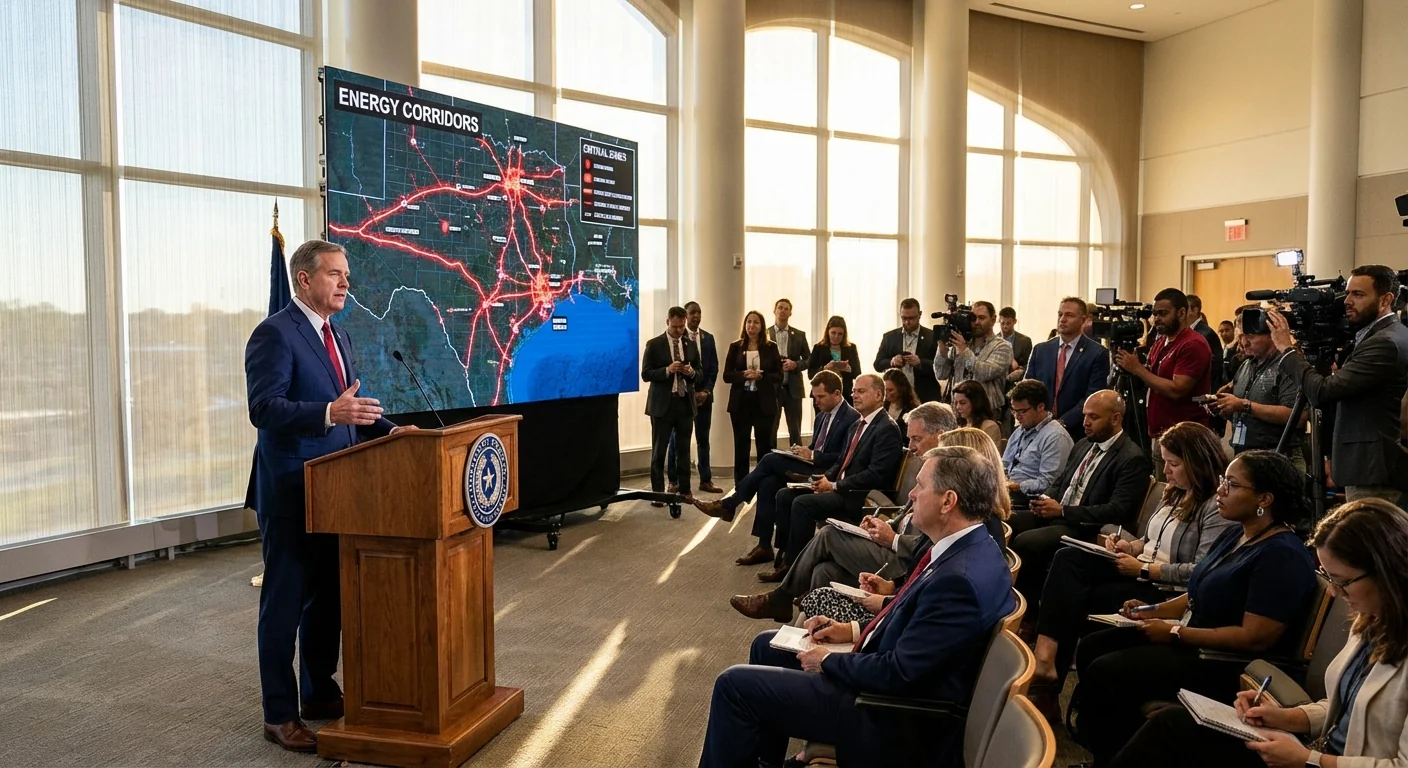
Trump’s declaration targeted vessels tied to sanctions. That includes ships carrying Venezuelan crude and refined products under existing U.S. restrictions. Within hours, Venezuela stepped up naval escorts around key routes. Think narrow straits and congested sea lanes. One misstep could trigger a dangerous encounter.
The demand that Venezuela return land and oil rights is even more stark. It challenges another nation’s sovereignty. It recalls long fights over expropriated assets and oil concessions. It also brushes against treaties and international arbitration rulings.
Venezuelan escorts and any attempt to block ships increase the odds of a maritime incident. A collision or boarding could spiral fast.
The law on blockades, in plain terms
A blockade is not just a policy. It is a use of force under international law. Modern rules treat it like a wartime act. To be lawful, it generally needs Security Council backing or a clear self defense basis. Neither is in sight here.
There is an even more basic fact. Trump is a former president. He cannot order the U.S. Navy to do anything. Only the sitting Commander in Chief can direct a blockade. Any commercial or private effort to enforce one would be unlawful. It could also violate the law of the sea, which protects freedom of navigation on the high seas.
Under U.S. law, the President can enforce sanctions and interdict some shipments. That usually requires flag state consent, a warrant, or a clear legal hook. A true blockade would almost certainly count as hostilities. That triggers the War Powers Resolution and likely demands Congress’s involvement.
International law bars threats or use of force against the territorial integrity or political independence of any state. A blockade is generally viewed as force.
Policy stakes for Washington and Caracas
This announcement tests U.S. policy discipline. If the current administration does not back it, the message to allies must be clear and fast. Mixed signals invite miscalculation at sea. They also expose U.S. mariners and companies to confusion and risk.
Venezuela will frame the escorts as protective. But escorts can turn into interdictions. That raises questions about the rights of neutral ships and insurers. If Caracas boards a vessel flying a third country’s flag, expect diplomatic protests. If U.S. forces move to stop a tanker without legal cover, expect legal challenges and pushback at the U.N.
There is also a domestic wrinkle. If a private citizen attempts to lead foreign policy in a way that conflicts with U.S. government positions, it can draw Logan Act chatter. That law is rarely charged. Still, it underscores the need for one voice on maritime actions.
Shipowners and captains should review Notices to Mariners, check insurer guidance, and confirm flag state instructions before transiting Venezuelan waters.
What this means for citizens and markets
For American consumers, the near term pain is price risk. A blockade, even a threatened one, can shift shipping routes. Insurance premiums can jump. Fewer barrels moving on time can push fuel prices up.
For U.S. workers and companies, sanctions rules still govern. Doing business with designated entities remains illegal. The announcement does not change what is allowed. It does raise the chance of rapid rule changes. Watch for emergency advisories from Treasury and the Coast Guard.
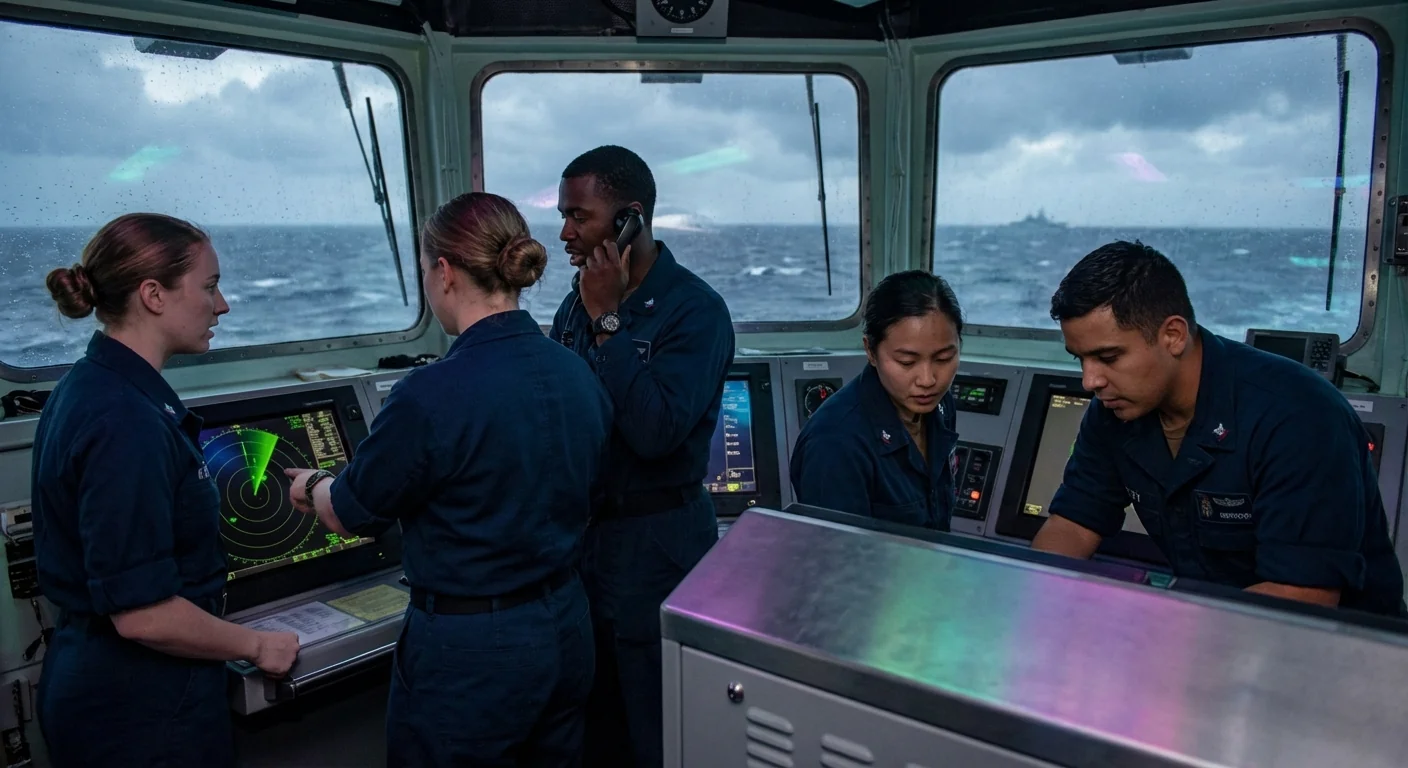
For mariners, the rights are clear but fragile. Crews have the right to safety and to refuse unsafe orders. Employers must provide safe voyages and compliance training. If armed escorts appear on radar, the priority is de escalation and contact with authorities.
What to watch next
- Any formal U.S. government directive that clarifies or rejects a blockade
- New maritime advisories for the Caribbean and Atlantic routes
- Moves by insurers to raise premiums or exclude coverage zones
- Reactions from the U.N., the Organization of American States, and key flag states
Conclusion
Trump’s call for a total blockade and his demand for land and oil rights force a hard legal test. A blockade is not rhetoric. It is force. Venezuela’s escorts show how fast words can turn into risk on the water. The law, and the safety of crews and citizens, demands clarity now. The next official move from Washington will decide whether this stays a war of words or becomes a dangerous fight at sea.