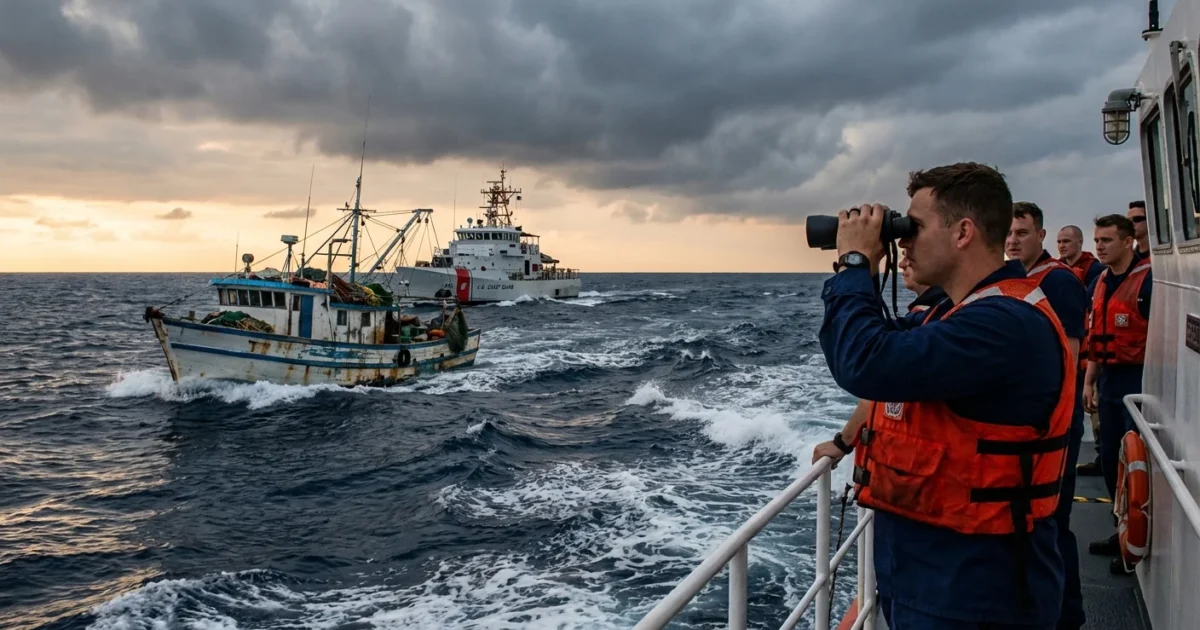
A sudden hard turn in Washington is now reshaping the Caribbean. I can confirm President Donald Trump has ordered a total blockade on sanctioned oil tankers entering or leaving Venezuela, issued December 16, following a high profile seizure of the VLCC Skipper on December 10 and a string of lethal maritime strikes since September. The order expands interdictions, intensifies the naval footprint, and heightens the risk of a direct clash at sea.
What the order does
The directive targets tankers that move Venezuelan crude through deceptive schemes, including false flags and ship to ship transfers. Officials expect dozens of vessels to face interdiction or denial of port services. The Skipper seizure is now a model case, with the administration citing sanctions, asset recovery, and counter narcotics authority. Maduro’s government calls it piracy and vows to resist.
This is not a paper move. Commanders have standing rules for boarding, diversion, and detention of crews for questioning. The order pairs with ongoing strikes against alleged trafficking boats in the Caribbean and Eastern Pacific, where fatalities have been reported. Tension is rising across regional waters.
The law, boiled down
A blockade is not just sanctions. Under international law, it is often seen as a use of force that restricts access to a coast. That usually requires United Nations approval or a valid claim of self defense. The administration argues it is enforcing U.S. sanctions and counter drug laws against targeted vessels, not closing Venezuela’s coast to neutral shipping. That legal line is thin at sea.
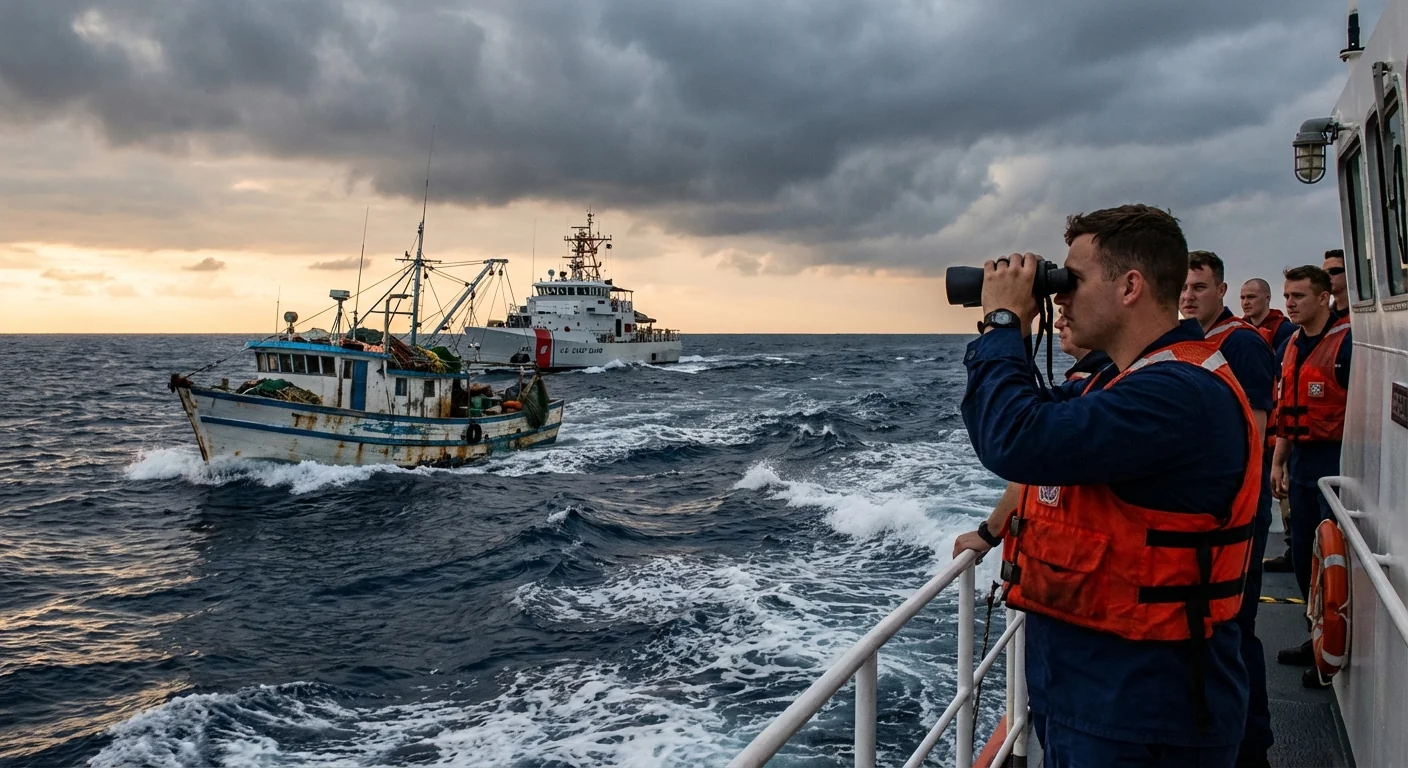
The December 10 Skipper operation is a flashpoint. If the ship was on the high seas with a valid flag, boarding requires consent, a lawful “right of visit,” or another narrow exception. If it was stateless, the legal case is stronger. Venezuela has labeled the action unlawful and threatens legal retaliation.
Key point, a sustained naval blockade can be treated as force under the U.N. Charter, which triggers strict limits and global scrutiny.
Immediate legal questions now in play:
- Is the blockade effectively targeting only sanctioned vessels, or sweeping in neutrals
- Do boarding operations meet high seas rules for visit, search, and seizure
- Has the U.S. met War Powers reporting duties as hostilities intensify
- Are humanitarian shipments protected and clearly exempt
Congress, war powers, and the clock
The House narrowly defeated measures that would have required approval for operations tied to Venezuela. That vote does not bless ongoing force. It simply leaves existing executive actions in place. The War Powers Resolution still applies. If U.S. forces are in hostilities or imminent hostilities, reporting and the 60 day clock can engage. The administration is leaning on the International Emergency Economic Powers Act, counter narcotics statutes, and maritime interdiction authorities. None of those are blank checks for open ended military action.
If detentions expand or if there is a shootout at sea, expect fresh lawsuits and new votes. Courts often avoid core war powers fights, but they do police detentions, seizures, and sanctions designations. Agencies will need a clean record to defend every boarding.
Oil flows and regional risk
This order will reroute crude, raise insurance costs, and strain port states across the Caribbean. Traders will look to shadow fleets and longer routes. Risk premia will climb. U.S. Gulf Coast refineries that once ran on heavy crude will compete for alternative barrels, which can push prices up, even if modestly. Insurers will reprice voyages near Venezuelan waters, and some ports may deny services to avoid penalties. Regional navies will face new pressure to escort or inspect ships.
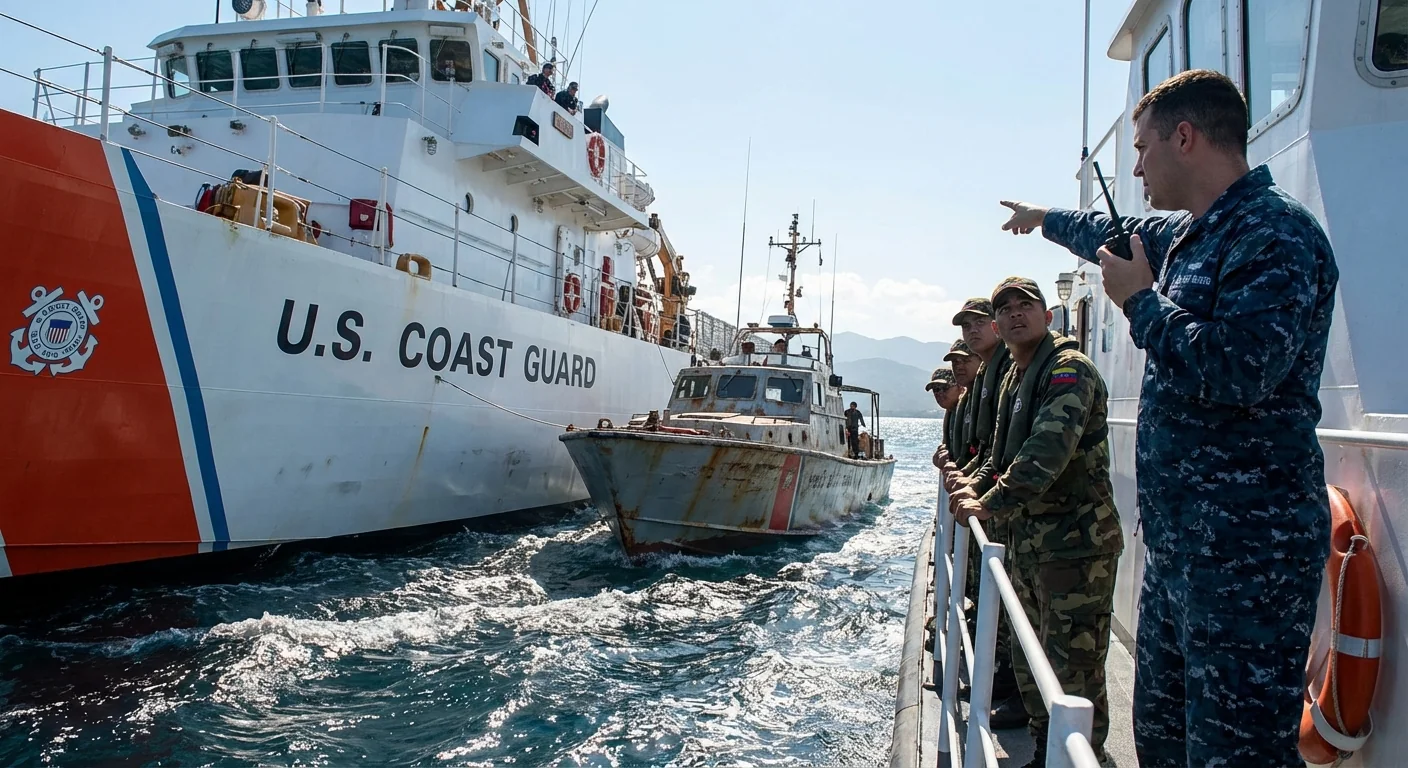
Close encounters at sea create real danger. One misread signal light or a tense radio call can spark an incident that neither side wants.
What this means for citizens
For Americans, the legal stakes are concrete. If your cargo, payment, or ship is tied to sanctioned Venezuelan oil, it can be blocked, and you have due process rights to challenge designations. Service members deserve clear rules of engagement and lawful orders. Protesters and advocates keep First Amendment protections. Venezuelan Americans will see tighter remittance and trade channels, but humanitarian carve outs should still allow food and medicine. Watch banks, they often over comply and freeze lawful transactions, which can be contested.
- Watch for the administration’s War Powers reports and any 60 day trigger.
- Check updated sanctions lists before contracting.
- If a lawful humanitarian shipment is delayed, seek a license or file a challenge.
- Contact members of Congress, they can demand briefings and set guardrails.
Frequently Asked Questions
Q: Is the blockade lawful
A: It depends on scope. Targeted interdictions of sanctioned or stateless ships can be lawful. A broad closure of Venezuelan waters without UN backing or self defense is far more vulnerable.
Q: Can the U.S. board foreign flagged ships on the high seas
A: Only in narrow cases. Consent, statelessness, clear treaty authority, or recognized exceptions. Otherwise, boarding risks violating international law.
Q: Will gas prices spike
A: Expect some upward pressure and volatility. Shipping risk and rerouting add costs. The scale depends on how wide and long the blockade runs.
Q: What can Congress do next
A: It can pass binding authorizations or prohibitions, require detailed reporting, and use funding limits. Committee subpoenas can force public answers.
Q: Are humanitarian shipments exempt
A: They should be. Licenses and general exemptions exist for food, medicine, and relief. Over compliance is common, so documentation matters.
In plain terms, the United States just moved from pressure to presence. The legal questions are sharp, the economic effects are real, and the risk line is thin. This is a test of power and law on open water, and the clock, both political and legal, has started to tick. ⚖️