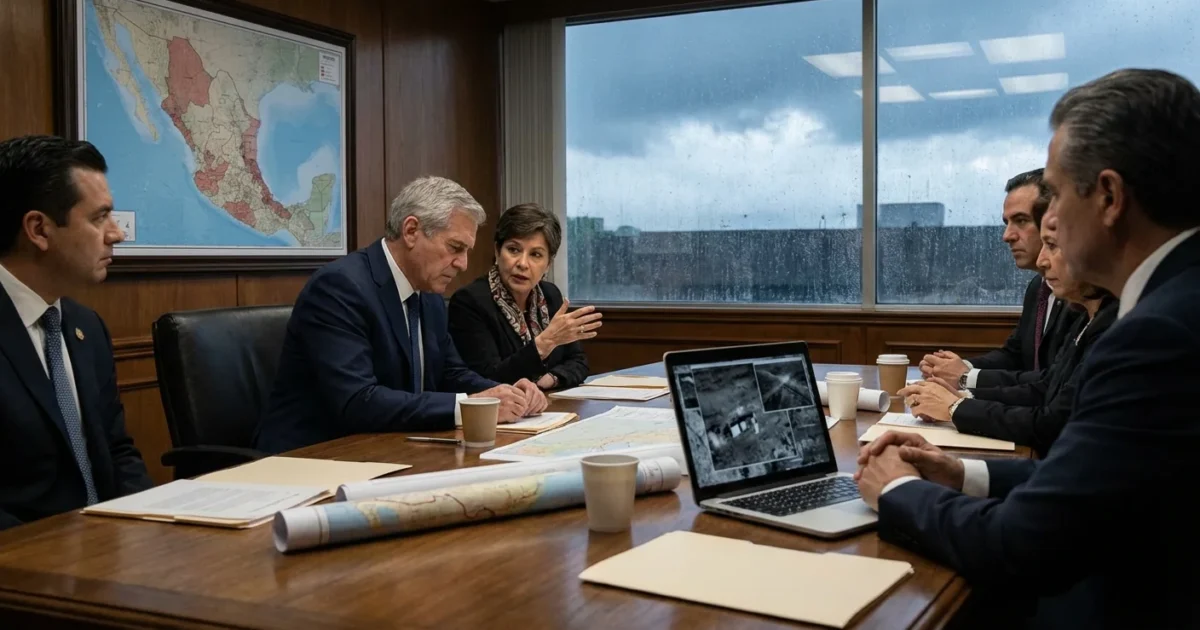
BREAKING: Trump vows to hit Mexican cartels on Mexican soil, says only his “own morality” limits his power. The promise, delivered in new remarks I obtained today, would pull the United States toward direct cross-border action. It also raises urgent legal questions and a test for U.S. Mexico relations. Buckle up. 🇺🇸
What Trump Said, What It Would Mean
Trump said the U.S. will “start now hitting land” to go after cartels inside Mexico. He added that his “own morality” is the only limit on his power. That is a sweeping claim. It suggests unilateral action, fast timelines, and little patience for diplomatic delay.
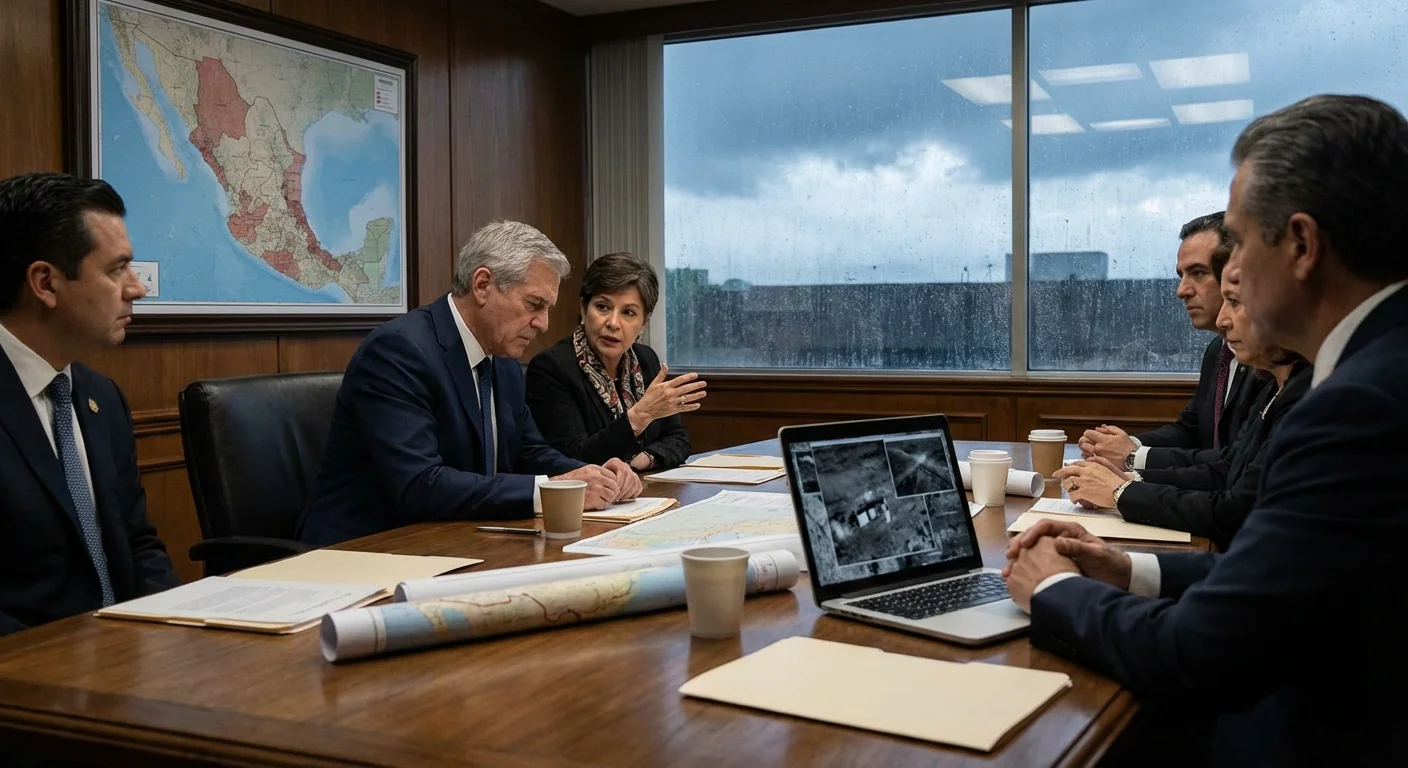
The target is clear, fentanyl networks and cartel leadership. The method is not. Hitting land means ground raids, airstrikes, or both. Any of those actions, on foreign soil without consent, would collide with U.S. and international law. It would also force a hard choice in Mexico City, accept U.S. forces or confront them.
The Law, Plain and Simple
War Powers at home
A president can use force without Congress in narrow cases, like self defense against imminent threats. But sustained strikes in Mexico would not fit cleanly. There is no standing authorization from Congress to wage war on cartels. The post 9 11 authorizations target Al Qaeda, the Taliban, and associated forces, not drug gangs.
Under the War Powers Resolution, the president must notify Congress within 48 hours of introducing forces into hostilities. The clock then runs. Forces must withdraw within 60 days, with a 30 day safety period, unless Congress authorizes more.
Sovereignty abroad
International law bars the use of force on another state’s territory without consent. The United Nations Charter protects sovereignty. An exception exists for self defense, but the threat must be imminent and the response necessary and proportionate. Using that theory against cartels, a non state actor, would be hotly contested.
Mexico has repeated one message for years. No foreign troops, no foreign strikes, on its soil. Consent changes the picture. Without it, any strike would be seen as a breach of Mexico’s sovereignty.
- Legal hurdles at a glance:
- No current congressional authorization to attack cartels
- War Powers clock would limit sustained action
- International law requires consent or true self defense
- Cross border force could trigger Mexican countermeasures
Direct U.S. strikes in Mexico, without consent, would set a dangerous precedent other countries could cite to justify force across borders.
Mexico’s Likely Response
Expect a hard no from Mexico’s leadership. A public breach would inflame politics on both sides. It could also chill the daily cooperation that actually stops drugs. Joint work between U.S. and Mexican agents is central to fentanyl seizures and cartel mapping. That quiet work depends on trust.
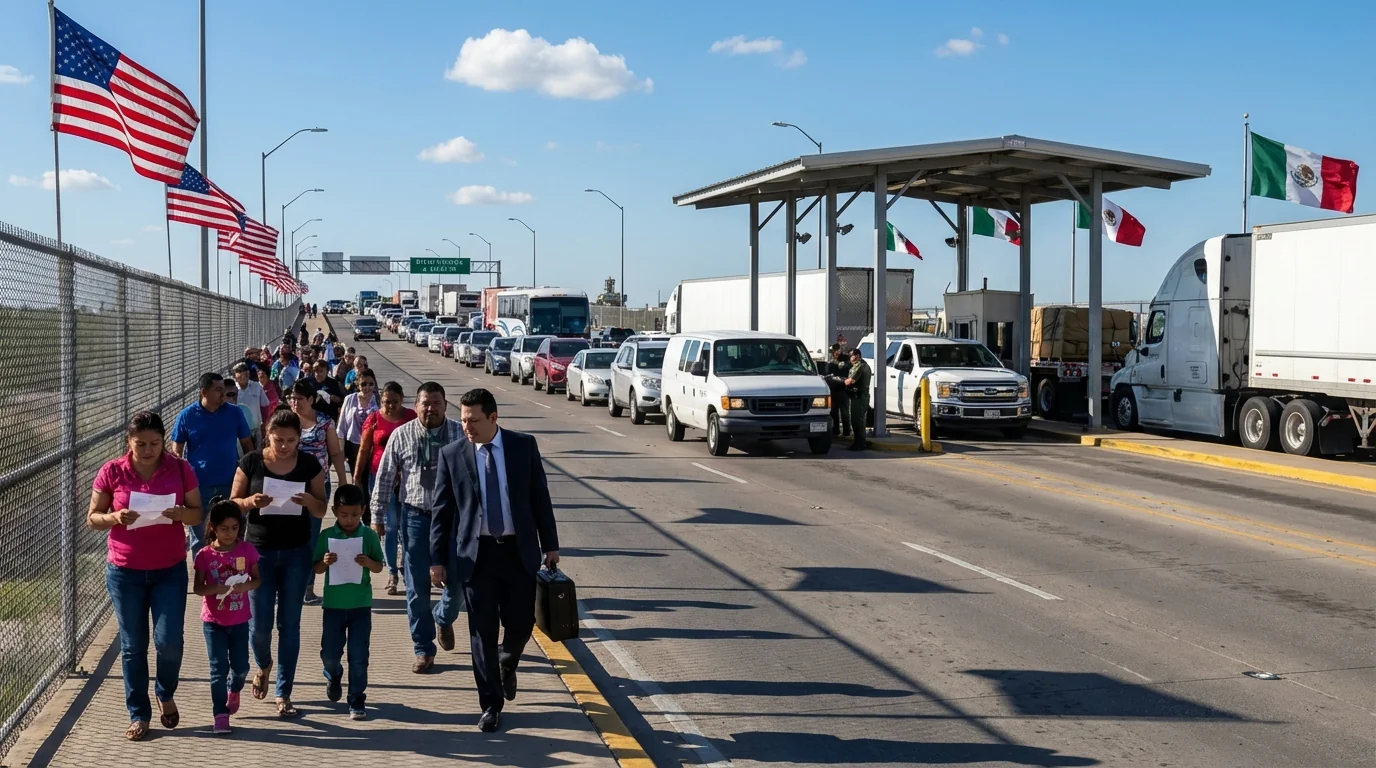
Trade is at stake too. The U.S. Mexico Canada Agreement ties our economies together. Disputes over sovereignty can spill into tariffs, inspections, and border slowdowns. Border communities would feel it first, from Laredo to Tijuana.
What A President Could Do Now
There are tools short of missiles. The Kingpin Act allows sweeping sanctions on cartel leaders, their companies, and their money. That freezes assets and cuts off access to banks. The U.S. could also surge joint task forces, expand cross border investigations with Mexico’s consent, and boost technology at ports.
Some allies in Congress want to label cartels as foreign terrorist organizations. That would stiffen penalties for “material support” under U.S. law. It would also reach far, hitting travel, finance, and even some types of services. Mexico opposes the label, seeing it as a step toward military action.
Covert action is another path, but it still needs a presidential finding and oversight by select lawmakers. Any strike capability, drones or special operations, would need basing or overflight rights. Without Mexico’s consent, that means launching from afar, which adds legal and operational risk. And if shots are fired, the War Powers clock starts ticking.
Your Rights, Your Risks
For citizens, the legal fallout could be personal. An FTO label on cartels would expand criminal exposure. Sending funds, equipment, or services could be prosecuted as material support. Even accidental links, through business partners or vendors, can create risk. Banks would tighten screening. Delays and account closures would rise.
On the border, a declared emergency could bring more federal assets. The military cannot enforce domestic law under the Posse Comitatus Act, with narrow exceptions. But National Guard units under state control can support civil authorities. Expect more checkpoints, more searches, and longer lines if tensions climb. Travelers and cross border workers should plan now.
If you live or do business across the border, review contracts, vendors, and travel plans. Ask your bank about enhanced screening. Keep proof of lawful purpose for frequent crossings. 🧾
The Bottom Line
Trump’s vow to “hit land” is simple to say, hard to do legally. Congress would likely demand a vote. Mexico would almost certainly refuse consent. Without both, any strike would sit on shaky ground and risk a serious rupture with a vital partner.
The smarter play attacks money, weapons, and chemical supply chains, with Mexico at the table. Turning cartel policy into a shooting war could blow up the very cooperation that saves lives. The law, and the strategy, point to the same answer. Power has limits. Good policy works within them.