Sirens, lawsuits, and a hard line from Washington. Today, I can confirm that former President Donald Trump threatened to invoke the Insurrection Act if Minnesota leaders do not end ongoing protests in Minneapolis. He signaled a possible deployment of federal forces within the state. This raises immediate questions about the limits of presidential power, the rights of protesters, and the role of the military inside our cities.
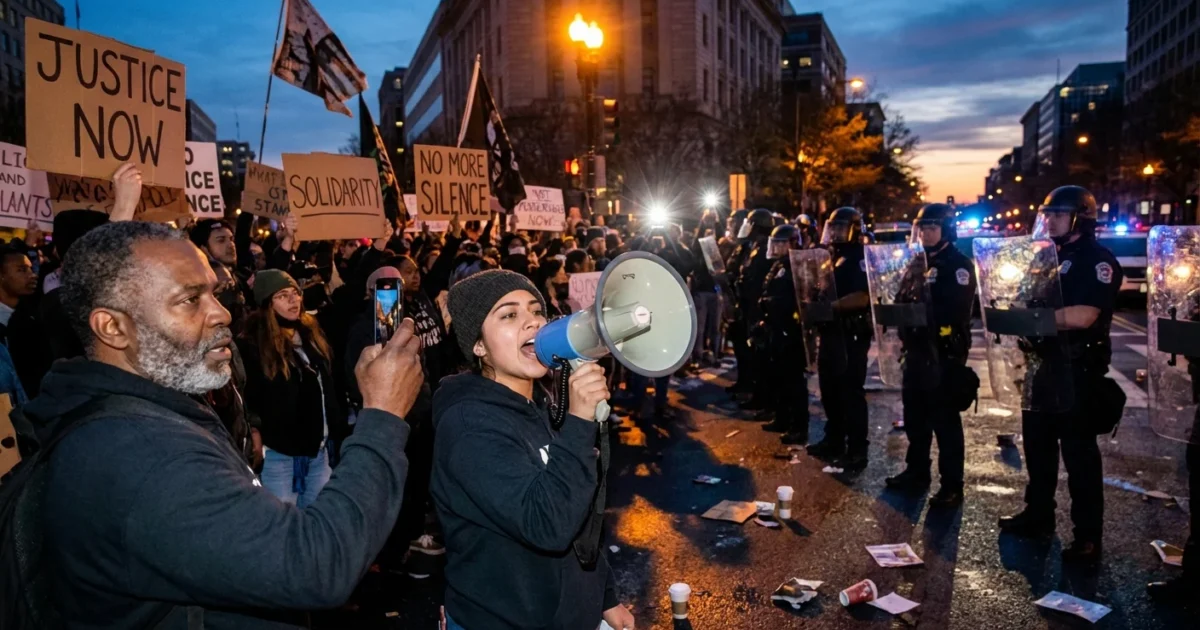
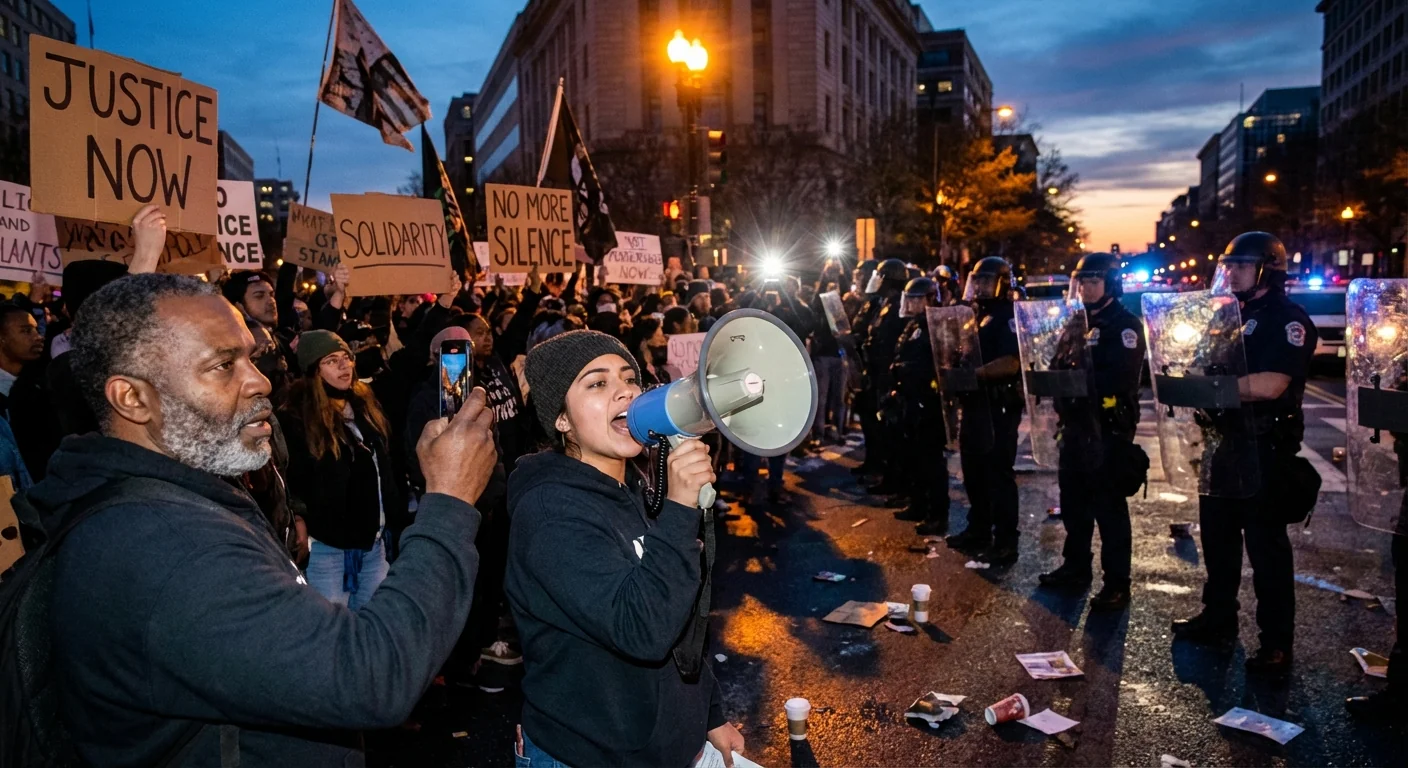
The protests surged after two ICE incidents this month. An ICE agent fatally shot Renee Good on January 7. Days later, a second man was wounded. Demonstrations have grown and hardened. State and local records reflect more than 2,000 arrests since December. City streets remain tense, and curfews are under debate inside government offices right now.
What the Insurrection Act Would Do
The Insurrection Act is an 1807 law that lets a president send the U.S. military into domestic situations. It also lets the president take command of a state’s National Guard. It is a narrow exception to the Posse Comitatus Act, which usually bars the military from civilian policing. Presidents have used it only about 30 times in more than two centuries. The last major use was during the 1992 Los Angeles riots. Claims that half of all presidents turned to this law are not accurate. The true share is closer to one in three.
If invoked, a president could:
- Deploy active duty troops to support law enforcement
- Federalize a state’s National Guard, removing the governor’s control
- Set rules that restrict areas and movement, including curfews
- Order military support for arrests and protection of federal sites
Military units train for combat, not neighborhood policing. Using them in civil unrest raises real risks to speech, assembly, and due process rights.
The Legal Test, and the Coming Fight
The law allows action in three kinds of cases. First, when a state asks for help against unrest it cannot control. Second, when the enforcement of federal law is blocked. Third, when people are denied constitutional rights, and state authorities cannot or will not protect them.
Minnesota leaders have not asked for federal troops. That removes the simplest route. The White House would need to show that federal law cannot be carried out, or that rights are being denied and state leaders have failed. That is a heavy burden. Protests, even loud and disruptive ones, are protected speech. Violence or arson is crime, but it is usually handled by local police and state Guard under state control.
Any unilateral move would face instant litigation. Courts would weigh emergency powers against the First Amendment and due process. Judges would also test whether conditions on the ground meet the statute’s strict triggers. Expect fast filings, emergency hearings, and rapid appeals.
A State, a City, and Washington on a Collision Course
This is also a clash over who polices whom. A federalization order would pull the Minnesota Guard away from the governor and place it under presidential command. The Pentagon would then manage missions inside Minneapolis neighborhoods. That shift changes accountability and transparency. It also moves decisions from City Hall to the Department of Defense.
Immigration enforcement is the spark here. Minnesota and Illinois filed suits this week over ICE tactics, including claims of racial profiling and excessive force. If federal troops arrive in the same streets, the legal and political pressure will surge. The question becomes whether troop deployment is about public safety, or about silencing dissent tied to federal policy.
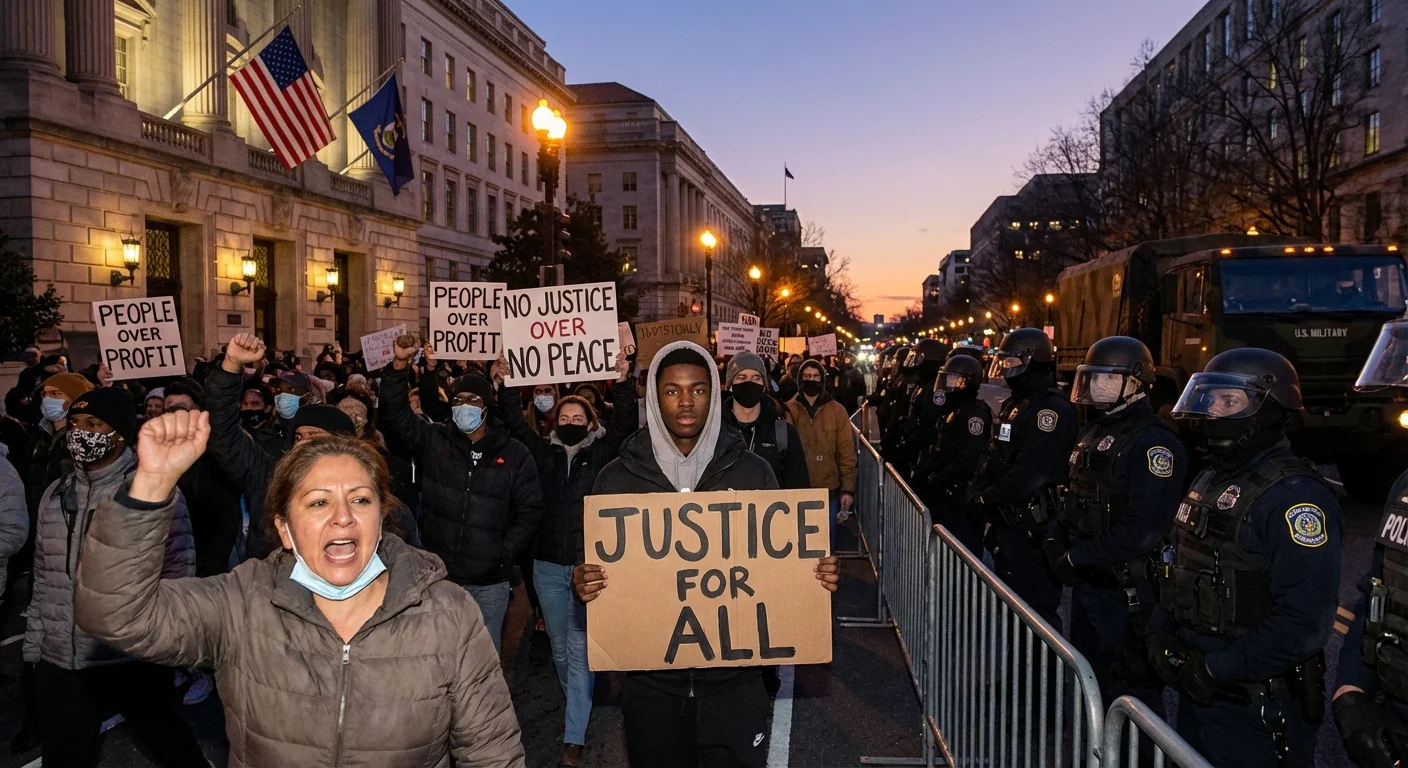
The Posse Comitatus Act limits the Army and Air Force in civilian law enforcement. The Insurrection Act is the rare legal door that opens those limits, for short, defined emergencies.
What It Means for Your Rights
Your rights do not vanish if soldiers appear. Peaceful protest, press coverage, and prayer remain protected by the Constitution. Police and troops must still obey the law. So must protesters.
If troops or federalized Guard deploy, remember:
- You can record public officials in public spaces
- You can ask if you are free to leave, and leave if the answer is yes
- You have the right to remain silent, and to a lawyer if detained
- Follow lawful orders, especially curfews and dispersal orders, and document any abuse
Write legal aid numbers on paper, not just your phone. If you witness force, film from a safe distance, state the time and place, and back up your video.
Reform Is Back on the Table
I have reviewed the 2025 reform bills that advanced in the Senate. The proposals aim to tighten the law’s triggers, require consultation with Congress, and force congressional approval for extended deployments. They also invite quick judicial review, and allow civil suits for misuse. Today’s threat will likely speed that debate. Lawmakers, the Pentagon, and governors all have a stake in how and when troops can police civilians.
Conclusion
The Insurrection Act is the legal red button of domestic security. Pushing it over immigration protests would be a rare and dangerous step. The courts would move fast. Congress may move faster. And in Minneapolis, people will still take to the streets, still call their lawyers, and still test where the line between safety and freedom is drawn. The next 48 hours will tell whether the law is used as a shield for public order, or a hammer against dissent.