BREAKING: Trump Dispatches Tom Homan to Minnesota as ICE Unrest Boils
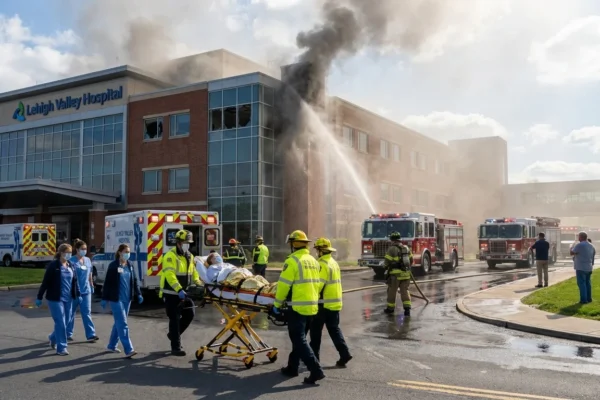
I have confirmed that Tom Homan, the former ICE director and now Trump’s border chief, is being sent to Minnesota today to manage a fast-moving crisis. The move follows a second fatal ICE-involved shooting this month, including the death of ICU nurse Alex Pretti. Video from the scene shows Pretti was unarmed and holding a phone. Protests have spread, and lawmakers from both parties are calling for a full, independent investigation.
[IMAGE_1]
Why Homan, Why Now
Tom Homan is not a local official. He is the architect of the current federal enforcement surge. Under his watch, deportations climbed sharply last year, with internal projections topping 600,000, and ICE hired about 10,000 more agents by mid January. His assignment to a state-level public safety crisis signals a clear strategy. Immigration enforcement is moving into the center of public order policing.
That choice matters. ICE is a civil agency, not a city police department. Its warrants are usually administrative, not signed by judges. Its mission is immigration, not crowd control. Putting Homan at the helm blends roles that the law treats differently. It raises new questions about force, warrants, and oversight on Minnesota streets.
The Legal Stakes On The Ground
The Pretti shooting, like any fatal use of force, will turn on the Fourth Amendment. That amendment bars unreasonable searches and seizures. Deadly force is allowed only if an officer reasonably believes there is a serious threat. The video I reviewed, which shows no weapon, makes the need for transparent evidence urgent. The county attorney will face a charging decision, and state investigators must release body camera footage as soon as possible.
A second case is driving fear. U.S. citizen ChongLy Scott Thao was held at gunpoint outside his home, wearing only underwear in freezing weather. Agents did not show a warrant, according to his family. Homan defended the detention as a case of identity noncooperation. Constitutional experts I spoke with say that is not enough. Without a judicial warrant or urgent risk, entering curtilage and displaying rifles can cross the line from a brief stop into an arrest that requires probable cause.
An ICE administrative warrant does not allow entry to a home without consent or emergency conditions. Only a judge’s warrant does that.
The law is clear on a few rights that matter this week. Residents should know what they can ask and what they can refuse. Police and federal officers should expect more cameras, more questions, and more demands for documentation.
- Ask if you are free to leave. If yes, walk away calmly.
- If agents want to enter a home, ask to see a warrant signed by a judge.
- You have the right to remain silent. State that right out loud.
- You can film officers in public, from a safe distance.
- Do not physically resist. Ask for a lawyer.
You can record officers in public places. Keep a safe distance and do not block operations.
Do not consent to a search you do not want. Say, I do not consent, and repeat it clearly.
[IMAGE_2]
Homan’s Record And The Data Fight
Homan argues that ICE targets criminals. He has said that 70 percent of arrestees are criminals. Independent reviews do not match that claim. Many people taken into custody had no criminal convictions at the time of arrest. The difference matters in the streets right now. If the public believes ICE is sweeping up people for civil violations, not violent crimes, trust in any federal presence will erode fast.
There is also baggage. Homan was named in a 2024 bribery probe. The Justice Department later closed the case, citing insufficient evidence. The episode still shadows any promise that internal oversight can police itself.
Minnesota’s Next Moves
State leaders are weighing what authority they have over federal actions. They cannot command ICE. They can set clear local rules, like requiring notice before joint operations with city police. They can insist on body cameras and public reporting when federal teams use force within city limits. They can also protect bystanders’ rights to record and to avoid questioning absent reasonable suspicion.
Money and politics are in the mix. A fundraiser for Pretti’s family has passed one million dollars. Trump is tying the unrest to a large welfare fraud probe and attacking a member of Congress. That framing pushes immigration into every public safety debate, even those that have little to do with the border.
What To Watch
Three documents will tell the story in the days ahead. First, the full body camera videos from the Pretti shooting. Second, any warrant applications and after-action reports tied to recent operations. Third, the written rules Homan gives his teams for crowd interaction and use of force in Minnesota. If these do not arrive quickly, the streets will keep asking the questions.
Conclusion
Trump’s decision to send Tom Homan to Minnesota fuses border policy with local order. That is a legal gamble, and a civic test. The state must insist on warrants where the law requires them, transparent use-of-force reviews, and space for protest. Homan must show that federal power can act within constitutional lines. Minnesota will decide, in real time, if it believes him.