


BREAKING: Workers Install “Trump-Kennedy Center” Sign, Renaming Sparks Immediate Legal Fight
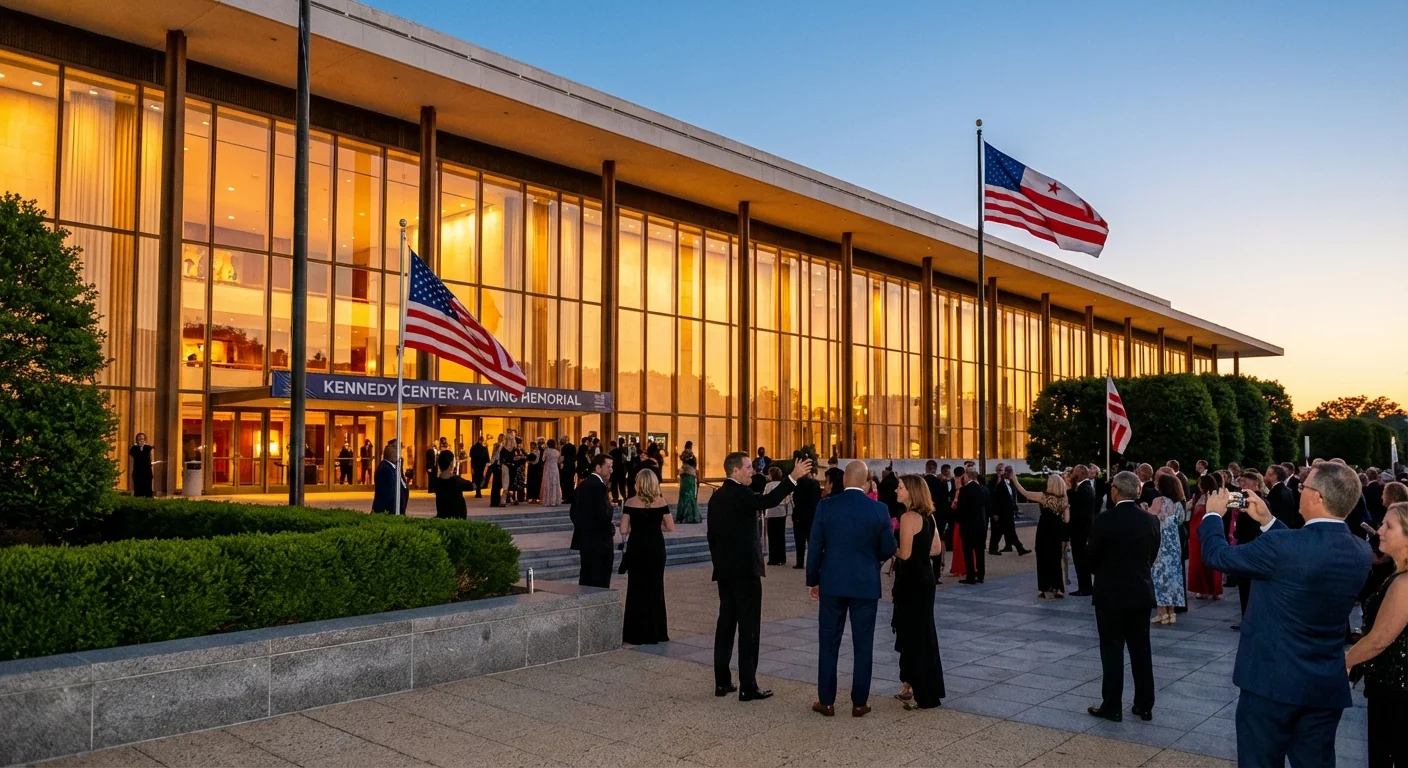
I watched crews lift new letters onto the front of the John F. Kennedy Center today. The facade now reads Trump-Kennedy Center. The change was sudden. It was not announced in a public meeting before the installation. The move has already triggered a legal and civic firestorm.
A board member tells me she was forcibly muted while objecting during the renaming vote. That claim raises serious questions about how the vote was handled. It also puts the board on a collision course with federal law and nonprofit rules.

What Changed Today
The name on the building changed. The legal name, however, did not. The Kennedy Center is a living memorial to President John F. Kennedy. Congress established that name in federal law. Putting up a sign does not change the statute. It does create confusion for the public, donors, and government partners. It also risks misuse of funds if federal money helped pay for unauthorized signage.
Inside the building, leaders can often name rooms, theaters, or programs after donors. Renaming the institution itself is different. That sits at the heart of this fight.
Federal law names the Kennedy Center. Only Congress can change that name.
What The Law Says
The Kennedy Center operates under a federal charter. Its board is created by statute. Trustees have duties under both federal law and the District of Columbia’s nonprofit rules. Those duties include loyalty, care, and obedience to the law. A rushed vote that silences dissent could be challenged as invalid.
Key legal questions now in play:
- Did the board have authority to rename the institution
- Was proper notice, quorum, and debate allowed
- Were restricted funds used for new signage
- Did the public receive misleading or false branding
If the board exceeded its power, a court can step in. A judge can halt use of the new name and require a corrective vote. The D.C. Attorney General can also investigate nonprofit governance. Congress can hold oversight hearings and demand documents.
Inside The Vote
A trustee tells me she tried to object while the vote was underway. She says she was muted and could not be heard. If true, that breaks the basic idea of fair board process. Bylaws usually require open debate and clear minutes. Virtual meeting tools must not be used to silence members. Any deviation can void a vote.
I have asked for the minutes and the meeting notice. If the notice did not clearly state a proposal to rename the center, that is a problem. Major actions must be spelled out. They cannot be smuggled into vague agenda lines.
Renaming a national memorial is not a routine branding tweak. It is a legal act with public stakes. The board must show its work, or a court will ask for it.
What Happens Next
Expect rapid legal motion practice. Patrons, alumni artists, and donors have standing in some cases. They can seek a temporary restraining order to cover the sign and to stop use of the new name in tickets, ads, and grant documents. They can also challenge the vote as ultra vires, meaning beyond the board’s power.
On Capitol Hill, members who oversee transportation and cultural appropriations will press for answers. The Kennedy Center receives federal funds for operations and maintenance. Using those funds for an unauthorized name change could draw auditors. Agencies may pause cooperative agreements until the name question is resolved.
The board itself has options. It can call a special meeting, release the vote tally and audio, and schedule a clean vote with public notice. That move would show good faith. It would not fix the statutory problem, but it would restore some trust.
What Citizens Can Do
If you bought tickets, donated, or use the center, you have a voice. You can demand the minutes, the vote tally, and the cost of the new signage. You can attend open sessions and ask questions during public comment, if offered. You can petition your member of Congress to enforce the federal name. You can file a complaint with the D.C. Attorney General about nonprofit governance.
If you witnessed today’s changes, document what you saw and the time. Photos help courts.
This fight is about more than letters on a wall. It is about the rule of law and how we guard cultural institutions from political pressure. The Kennedy Center is a public trust. It was built to honor a president, to welcome art, and to serve the nation. That trust depends on clear law, transparent votes, and the public’s right to know what is done in their name.
For now, the building reads Trump-Kennedy Center. The law still reads John F. Kennedy Center for the Performing Arts. Those two facts cannot stand together for long. A judge, or Congress, will decide which one remains.




