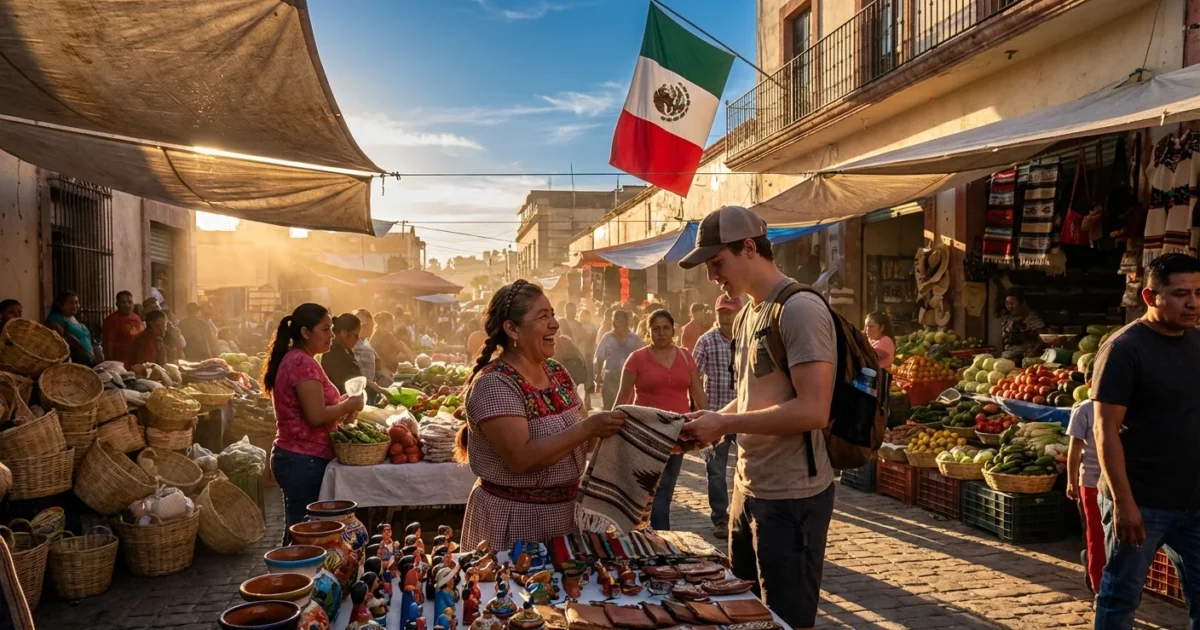
Mexico at the center of a cross-border clash of law, power, and rights. In fresh remarks today, Donald Trump said he is ready to hit cartel targets inside Mexico. He described strikes on land. He framed it as part of a larger crackdown. I am tracking the legal and policy path this would need. The road is steep, and the risks are real.
What was just put on the table
Trump is urging direct action against cartel sites inside Mexico. That would be a major break from current policy. Right now, the United States relies on sanctions, joint operations, extraditions, and intelligence sharing. It does not fire missiles across the border.
Striking inside Mexico would test two pillars at once. It would test U.S. domestic war powers. It would also test international rules that protect national sovereignty. It would push the U.S. Mexico relationship into its hardest moment in years.
Can the U.S. lawfully strike inside Mexico
Domestic law
A president can use force without a declaration of war in limited cases. The War Powers Resolution requires the president to notify Congress within 48 hours. It also sets a 60 day clock, plus 30 days for withdrawal, unless Congress authorizes the mission.
There is no standing law that lets a president target cartels across a border. The 2001 and 2002 Authorizations for Use of Military Force focus on terrorism and Iraq. They do not cover narcotics groups in Mexico. To keep a campaign going, the White House would likely need a fresh authorization from Congress. Any long operation without one would face a court fight and intense oversight.
International law
The U.N. Charter bans the use of force against another state. There are two main exceptions. A country can act in true self defense. Or the U.N. Security Council can approve action.
Self defense against a nonstate actor is hotly debated. The U.S. sometimes argues it can strike if a host is unwilling or unable to stop cross border attacks. Mexico would dispute that. The safer path under international law is consent. If Mexico invites U.S. forces in, the legal ground is stronger. If not, the move would look like a breach of sovereignty.
Without Mexico’s consent, cross border strikes would trigger a fast diplomatic crisis, and likely legal challenges at home and abroad.
What Mexico will accept, and what it will not
Mexico has a long, firm stance on sovereignty. It does not allow foreign military operations on its soil. Joint work happens, but under Mexican lead. Mexico’s president, Congress, and courts would face pressure to resist any U.S. military action.
Both countries rely on each other. They manage migration, security, and a giant trade flow under the USMCA. A breach would strain that system. It could slow ports of entry, disrupt supply chains, and chill cooperation on extraditions and guns trafficking. That is why consent is unlikely and refusal is likely.
What it would take in practice
Even with legal footing, strikes are not simple. Real targeting requires deep intelligence, constant surveillance, and strong deconfliction with Mexican forces.
- A clear legal authorization from Congress
- A formal framework with Mexico, or a plan for operations without consent
- Rules of engagement to protect civilians
- Evacuation and recovery plans if something goes wrong
Civilian harm is the top risk. Cartels hide in cities and border towns. Airstrikes in dense areas raise the chance of deaths, trauma, and new displacement. Cartel groups could splinter, then lash out. Retaliation could hit rival towns, officials, or border communities.
The tools already on the books
There are options with fewer risks. Some are in place now, others could be scaled.
The Kingpin Act lets the U.S. freeze assets and block transactions. That bites when done at scale and in sync with Mexico. The extradition pipeline can be expanded, with both sides committing to faster cases and tougher evidence sharing. Binational units can track guns going south, and precursor chemicals coming north. The Bicentennial Framework, which replaced the Mérida Initiative, gives both governments a formal table to expand joint work.
Some in Washington want to label cartels as foreign terrorist organizations. That would add material support crimes and asset tools. It would also complicate ties with Mexico, and could sweep in people with no role in violence. Any such step needs careful drafting.
Travelers should watch for new advisories and possible port delays. If you live in a border county, keep your ID, meds, and a simple family plan ready.
What rights are at stake for citizens
For Americans, war powers are a civic question as much as a legal one. Members of Congress hold the key to any lasting authorization. Constituents can demand hearings, limits, and clear goals. Service members deserve a defined mission, support, and accountability if force is used.
For people in Mexico, sovereignty is bound up with safety. Civilians have the right to life and due process. Any operation must respect international humanitarian law. If harm occurs, victims need access to remedies, not denials. Cross border families deserve open lines for consular help and information.
The bottom line
Talk of strikes sounds decisive. In law and policy, it is anything but simple. Without Mexico’s consent and Congress’s approval, the plan collides with hard limits. Even with both, the risks to civilians, trade, and security are heavy. The smart path is to sharpen the tools that work, squeeze the money and guns, and deepen joint operations. The stakes, on both sides of the border, could not be higher.