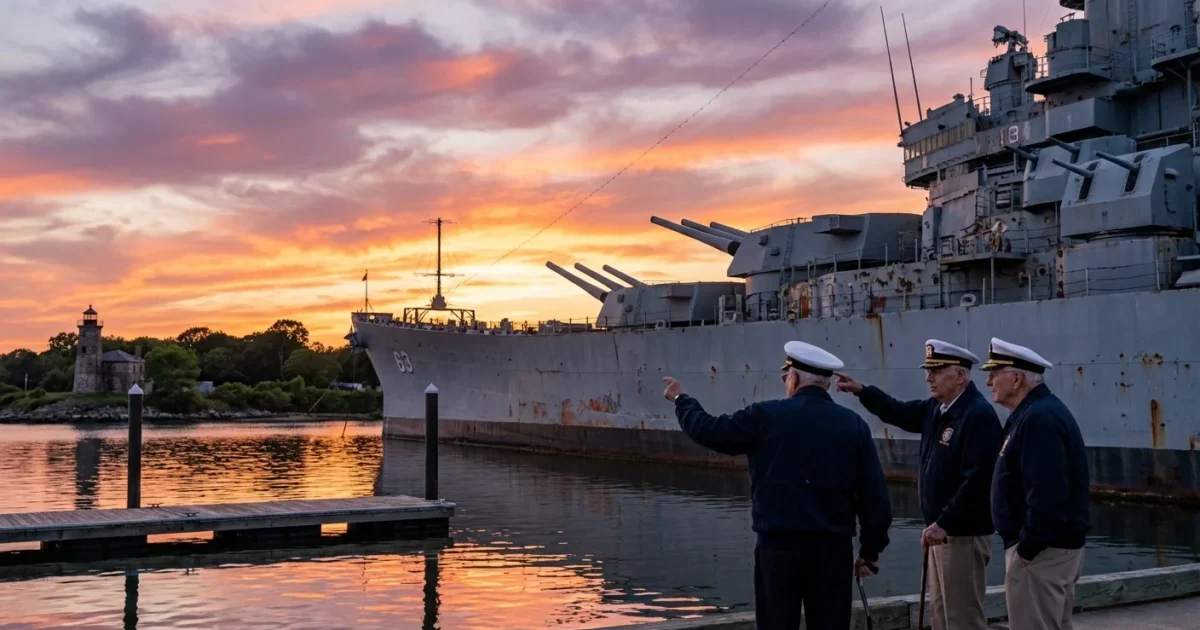
BREAKING: President Announces Plan for New “Trump Class” Battleships, Raising Fast Legal Questions
The President just put his name on a new class of warships. In remarks today, he unveiled plans for a fleet he called the “Trump class” of battleships. The move blends defense policy with political branding. It also sets off immediate legal and civic issues that will shape what happens next. ⚖️
What Was Announced, and Why It Matters
The President framed the plan as a return to big gun sea power. He spoke of American steel, jobs, and a stronger Navy. He also said the new class would bear his name. That pairing, the platform and the label, is the story.
The United States has not built a battleship in decades. The Navy retired the last Iowa class in the 1990s. Today’s fleet relies on carriers, submarines, and missile ships. If real, this proposal would be a major shift in strategy and spending. If symbolic, it is still a sharp test of defense norms and naming rules.
Who Gets to Name Warships
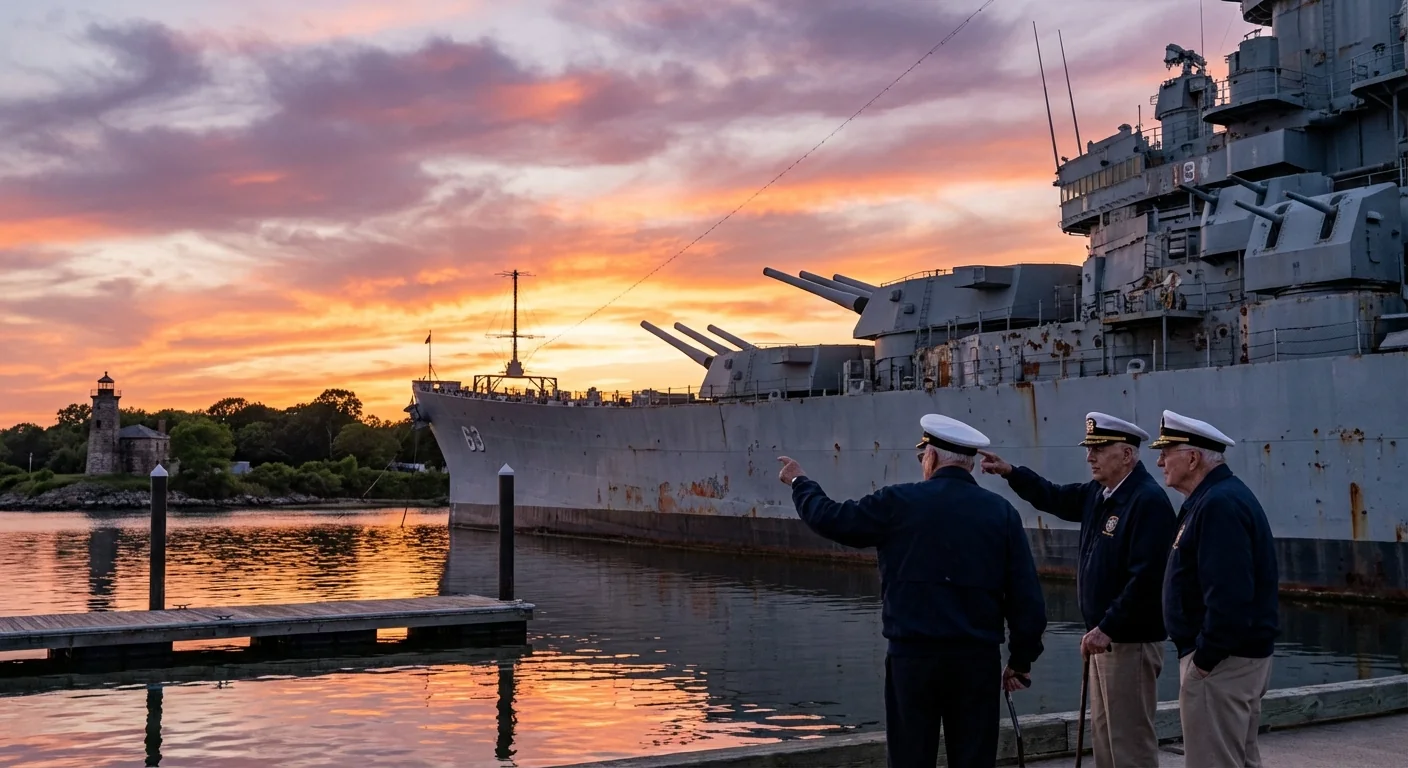
By law, the Secretary of the Navy assigns ship names. That authority is not held by the President. Presidents can urge, pressure, or praise, but they do not sign the naming order. The Navy follows internal guidance that groups names by ship type. It also makes exceptions, sometimes for people, sometimes for places or values.
Naming a class after a sitting president is unusual, but not unheard of to name ships after living figures. Naming one after oneself is different. It invites ethics questions, even if it is not a crime. Federal ethics rules bar officials from using office for private gain. The President is exempt from the Hatch Act, which governs political activity. Yet the Department of Defense bars partisan activity at official events. If the rollout used troops or a base as a campaign backdrop, that could be challenged as improper.
Only the Secretary of the Navy can assign ship names. A presidential announcement does not make it official.
Can the Government Build Battleships Again
This is the hardest part. The industrial base builds carriers, subs, destroyers, and frigates. It does not build armor plate for battleships or 16 inch naval guns. Restarting that capacity would take years and large sums. Shipyards are already packed with carriers and nuclear subs. Schedules are tight. Workers are in short supply.
Congress holds the purse. No ship is built without authorization and appropriation in the National Defense Authorization Act and defense spending bills. A White House plan is a start, not a green light. The Pentagon must also complete requirements, analysis, and design work. That takes time and hearings.
- Key hurdles include authorization, appropriations, design, industrial capacity, and skilled labor
- The Navy must show how battleships fit current strategy
- Cost growth and delays would impact other programs
- Courts are unlikely to order the Navy to build or not build
Watch the budget. If it is not in the next NDAA and spending bill, it is not happening.
Strategy, Risk, and Policy Tradeoffs
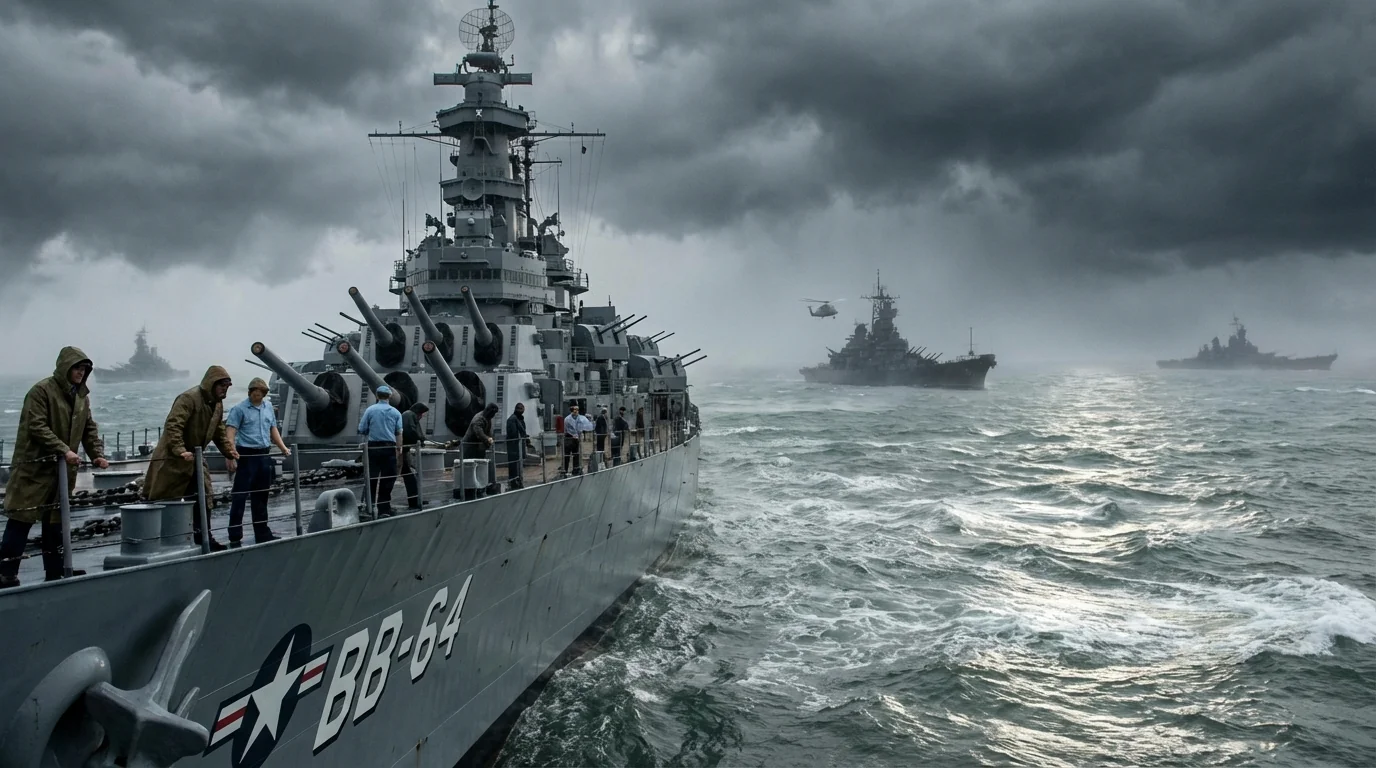
Modern naval fights are about missiles, sensors, and air power. Big guns have range limits. Armor is costly. Shore based missiles and drones can threaten large ships. Battleships would need escorts, air defense, and new doctrine. That adds cost on top of cost.
A new class would crowd out other priorities. The Navy is trying to grow the submarine fleet. It is buying a new frigate. Carrier maintenance is behind. Every new program forces a choice. Lawmakers from shipbuilding states will push for jobs. Budget hawks will ask what gets cut.
Is This Policy or Politics
Both can be true. The name is political. The platform is policy. The test is whether the Pentagon files real budget lines, program documents, and schedules. If those appear, it is more than a speech. If not, it is a message, not a plan.
If DoD public affairs supported a partisan event, expect inspector general reviews and congressional letters.
Citizen Rights and Oversight
Taxpayers fund this. You have the right to know the price, the risks, and the tradeoffs. Congress must debate and vote. That is the key check on a major weapons system. Watchdogs can file Freedom of Information Act requests for planning records. Unions and local leaders will push for labor protections if yards expand.
Legal fights are likely to center on process, not policy. A suit over the name would face standing and political question hurdles. Ethics complaints can trigger reviews, but remedies are often limited for a sitting President. The most effective lever remains public oversight and congressional power of the purse.
What Happens Next
- The Pentagon decides whether to draft formal requirements and a budget line
- The Secretary of the Navy chooses whether to adopt the name in official orders
- Congress holds hearings on cost, strategy, and industry capacity
- The NDAA process decides whether the plan lives or dies
The Bottom Line
Today’s announcement is a bold brand and a big bet. The law puts naming in the Navy’s hands and spending in Congress’s hands. Industry capacity is thin. Strategy arguments will be fierce. Citizens should demand transparency, clear costs, and honest tradeoffs. That is how we separate a headline from a ship that actually sails. 🚢