Breaking: Ashli Babbitt’s name is back at the center of American politics. I am confirming new details and setting out what the law actually says. The anniversary of Jan. 6 has brought fresh statements from her family and renewed political messaging. The civic stakes are real, for law enforcement policy and for citizen rights.
What Is New Today
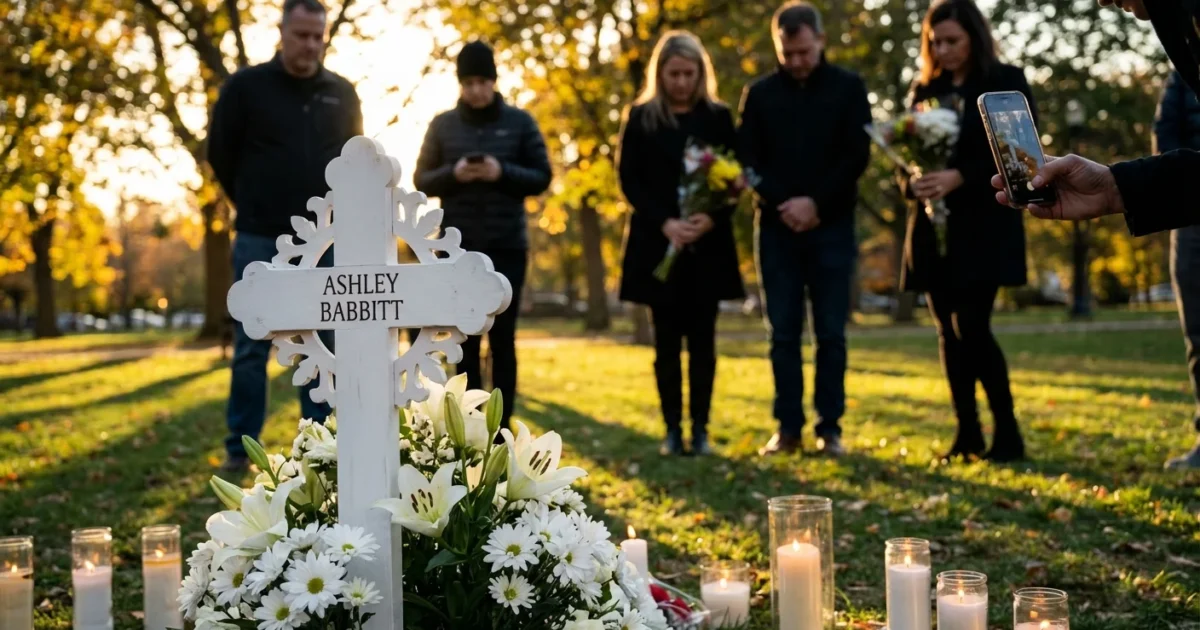
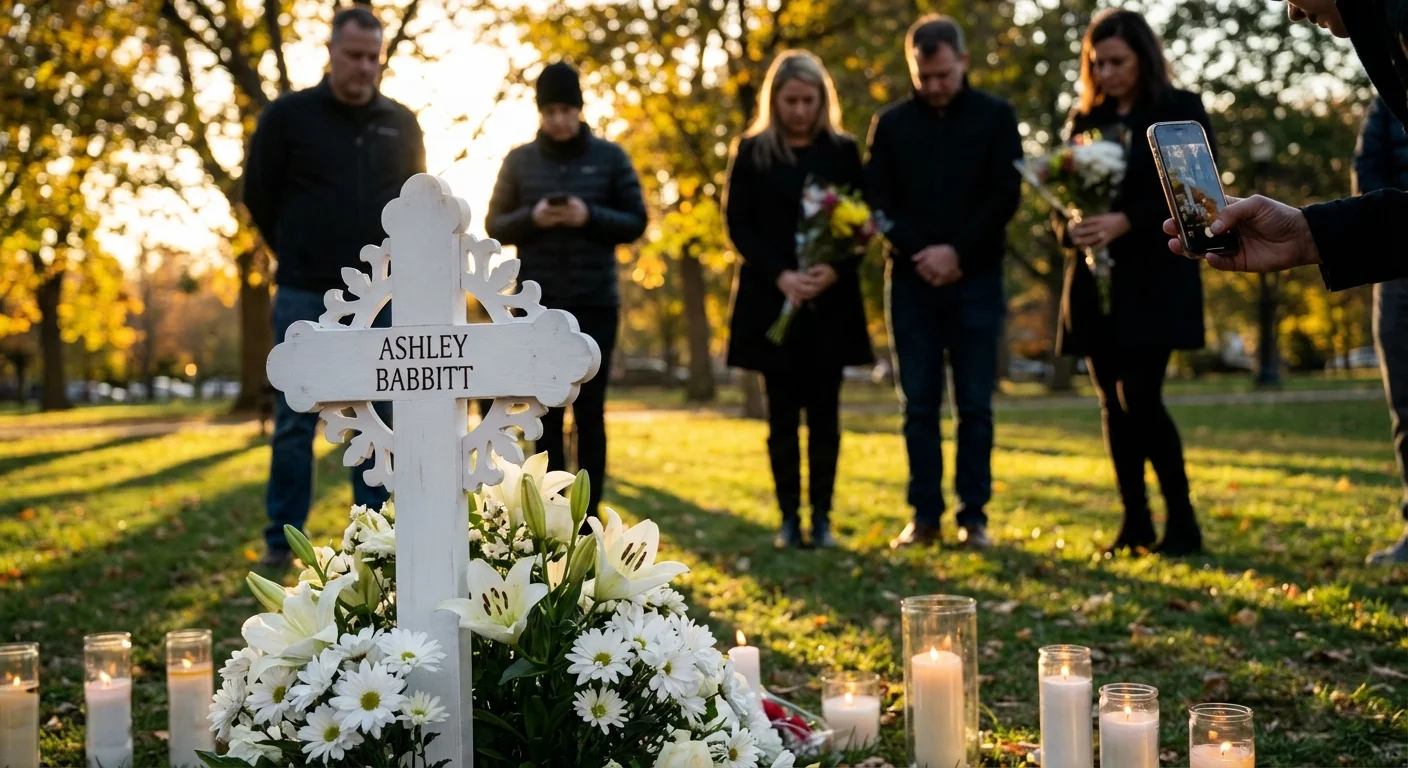
Ashli Babbitt’s husband says Donald Trump called him after Jan. 6. He describes a personal outreach that underscored the former president’s ongoing focus on her case. Her mother, Micki Witthoef, led chants outside the U.S. Capitol during anniversary events. Those chants echoed the claim that Babbitt was wronged, and that her death demands more answers.
These moves are not minor. They help set the tone for how candidates talk about public safety, protest, and power in 2024. They also collide with official findings that have already been made.
What The Law Says
Babbitt, a 35 year old Air Force veteran, was shot by a U.S. Capitol Police officer while attempting to climb through a broken window near the Speaker’s Lobby on Jan. 6, 2021. Federal prosecutors reviewed the case. The Department of Justice declined to bring charges. Internal reviews concluded the shooting was lawful to protect members of Congress and staff from imminent harm.
The legal standard is specific. Federal civil rights charges require proof that an officer acted willfully, and without legal justification. Deadly force is permitted when an officer reasonably believes a person poses a threat of death or serious injury. Investigators said that threshold was met in the chaos near the Speaker’s Lobby.
Medical examiners can label a death a homicide, yet prosecutors can still decline charges. The legal question is justification, not only cause.
Criminal vs. Civil Accountability
Criminal charges are not the only path. Families can seek civil remedies. Claims against the federal government face strict limits, short deadlines, and procedural hurdles. Suits against individual officers meet qualified immunity defenses. Each path turns on facts, policy rules, and the law of the District of Columbia.
The U.S. Capitol Police is part of the legislative branch, not the executive branch. That affects transparency and oversight routes. It shapes how the public can get records and how Congress checks its own police force.
The Capitol Police is exempt from the federal Freedom of Information Act. That reduces outside access to internal files and reviews.
Policy Gaps And Oversight
Jan. 6 exposed weaknesses in command, training, and physical security. It also tested use of force rules inside a confined, high risk space. Lawmakers promised reforms. Some have moved. Others remain open questions.
Here is what I am watching now:
- How the Capitol Police codify and train for last resort deadly force inside protected corridors
- Whether Congress creates stronger independent review of uses of force on Capitol grounds
- The status of civil claims and any settlements or judgments that clarify policy
- Clearer public reporting on barricade protocols near leadership offices
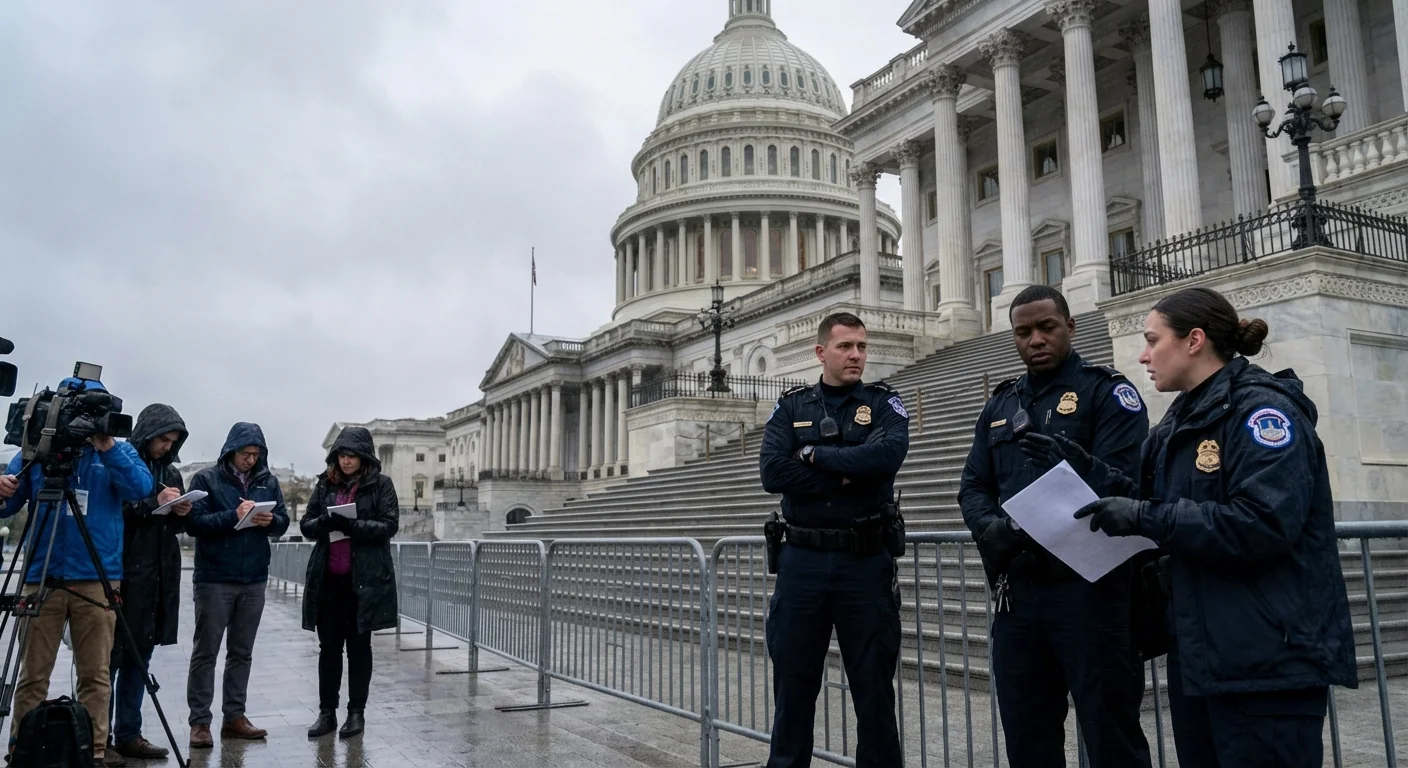
Citizen Rights And Real Limits
Americans have a right to speak, protest, and petition the government. That right is strongest in peaceful settings and public forums. It does not include entering restricted federal space, breaking windows, or crossing police lines. That is where criminal law steps in.
Officials also must respect constitutional limits. Police may not use force that is unreasonable under the Fourth Amendment. When force is used, agencies owe the public clear explanations. Accountability builds trust. Silence breeds doubt.
If you plan to protest, know the rules. Check permit maps. Follow lawful orders to disperse. Record events safely when you can.
The New Messaging Battle
Trump and his allies continue to lift Babbitt’s name as a symbol. They cast her as a victim and frame her death in the language of protecting women. Critics answer that the shooting was a lawful act in a violent breach. Each side uses her story to drive broad claims about justice and power.
This is more than a war of words. It shapes policy choices. It fuels calls for pardons, for tighter security rules, or for new investigations. It also tests how we weigh evidence against emotion in a moment of stress for our democracy. ⚖️
What Comes Next
Expect sharper rhetoric as campaigns accelerate. Expect families and officials to speak out again as cases and oversight continue. The legal findings to date are clear. The political story is not. That is why Babbitt’s name still moves crowds and lawmakers, and why the standards for police force and protest rights must stay front and center. Our institutions must hold both truth and grief at once. Our laws must do the same.