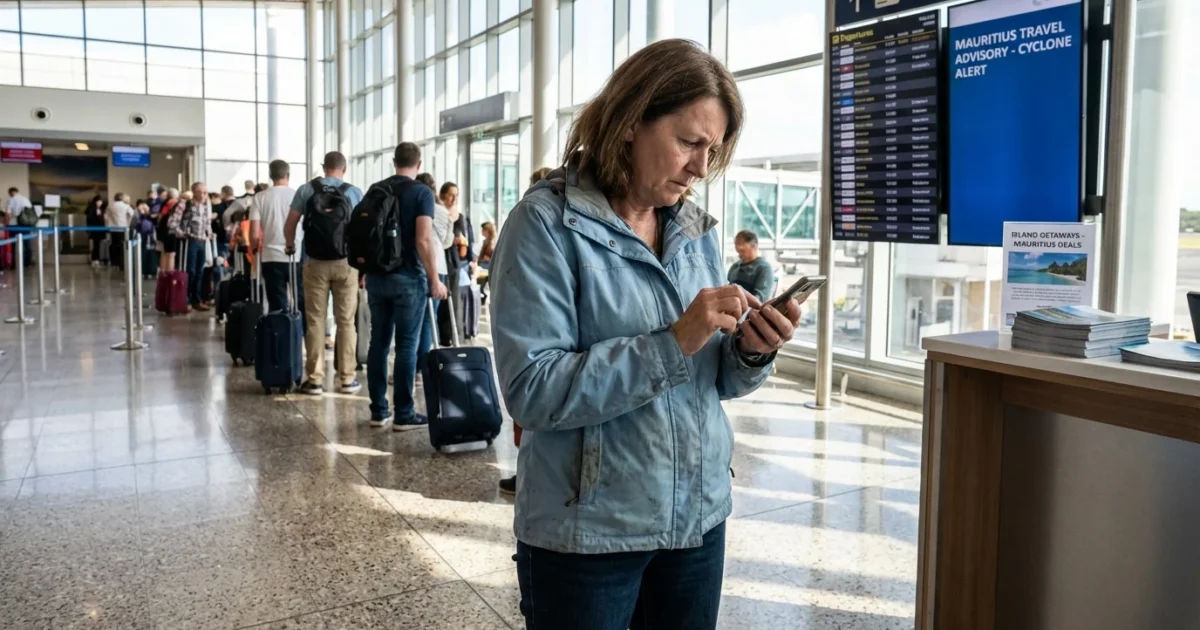
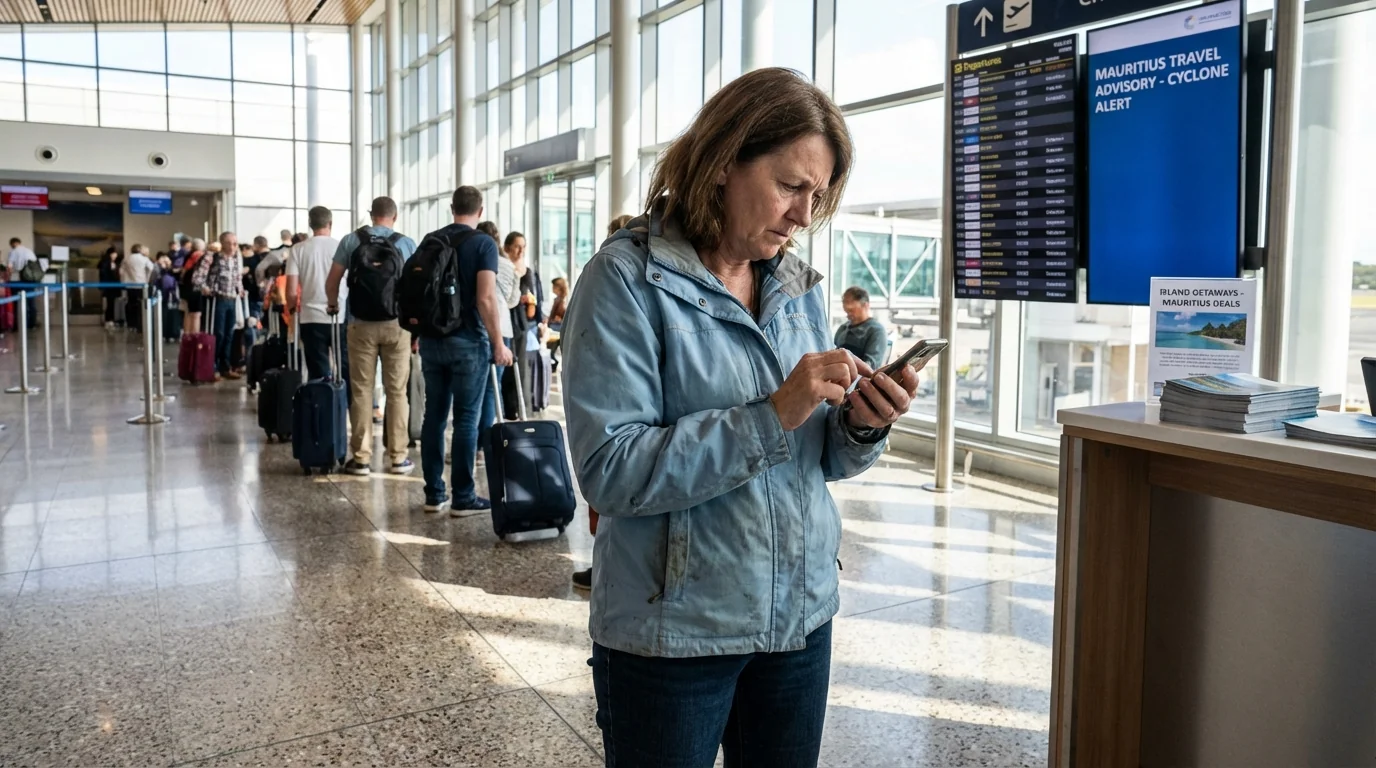
BREAKING: New U.S. travel warnings issued for Madagascar, Mauritius, Costa Rica, and Japan. I have confirmed fresh guidance from U.S. officials and embassy notices. Travelers should reassess plans now. Policies, insurance, and your rights may change what you do next.
What changed today
The State Department has tightened its view of Madagascar. The country remains Level 2, exercise increased caution. Several regions are now Level 3, reconsider travel, due to violent crime, protests, and unrest. Authorities report deaths and many injuries linked to demonstrations. Health rules also matter. Yellow Fever vaccine proof is required if you transit through high risk countries on your way to Madagascar.
Costa Rica remains Level 2, but the U.S. Embassy has issued a Security Alert. Officials cite surges in property crime, scams, armed robberies, and extortion. Tourists and vacation rentals are prime targets. Travelers are urged to verify lodging security and limit displays of cash and jewelry.
Japan faced a magnitude 7.5 earthquake on December 9. Tsunami warnings were issued, then lifted. Local authorities still urge caution in affected regions. Expect aftershocks, transport delays, and infrastructure checks.
Mauritius has moved to Level 2. The advisory urges increased caution. Details are limited, so travelers should monitor embassy updates and local guidance closely.
What the levels mean for your plans
The U.S. advisory scale has four tiers. Level 1 means normal precautions. Level 2 means increased caution. Level 3 means reconsider travel. Level 4 means do not travel. These are advisories, not bans. But they carry real effects.
Level 3 can trigger changes in insurance, employer rules, and school travel programs. Some policies limit coverage when a known risk is flagged. Corporate and university duty of care policies may pause or reroute trips. Federal employees often face stricter internal limits.
Travel suppliers respond too. Airlines and hotels may offer waivers when risks spike, but this is not automatic. Check contract terms for change and refund options. Look for force majeure clauses and policy carve outs.
Government advisories do not guarantee evacuation. The U.S. can assist when conditions allow, but you may be billed for transport or emergency loans. Insurance is your first safety net.
Your rights and limits abroad
You have the right to leave the United States and to return with a valid passport. You also have the right to seek help from a U.S. embassy or consulate. Consular officers can provide contacts for lawyers and doctors, and they can contact family. They cannot get you out of jail or override local law.
Local rules control your movement, health checks, and arrests. Madagascar can require Yellow Fever proof based on your transit path. If you lack documents, you can face quarantine, fines, or denied entry. Japan may restrict access to damaged areas while inspections continue. Obey police orders and posted notices.
If you enroll in the Smart Traveler Enrollment Program, STEP, you consent to receive alerts and to share your contact data with consular staff. This helps them reach you fast, and it helps them find you in a crisis.
Practical steps to take now
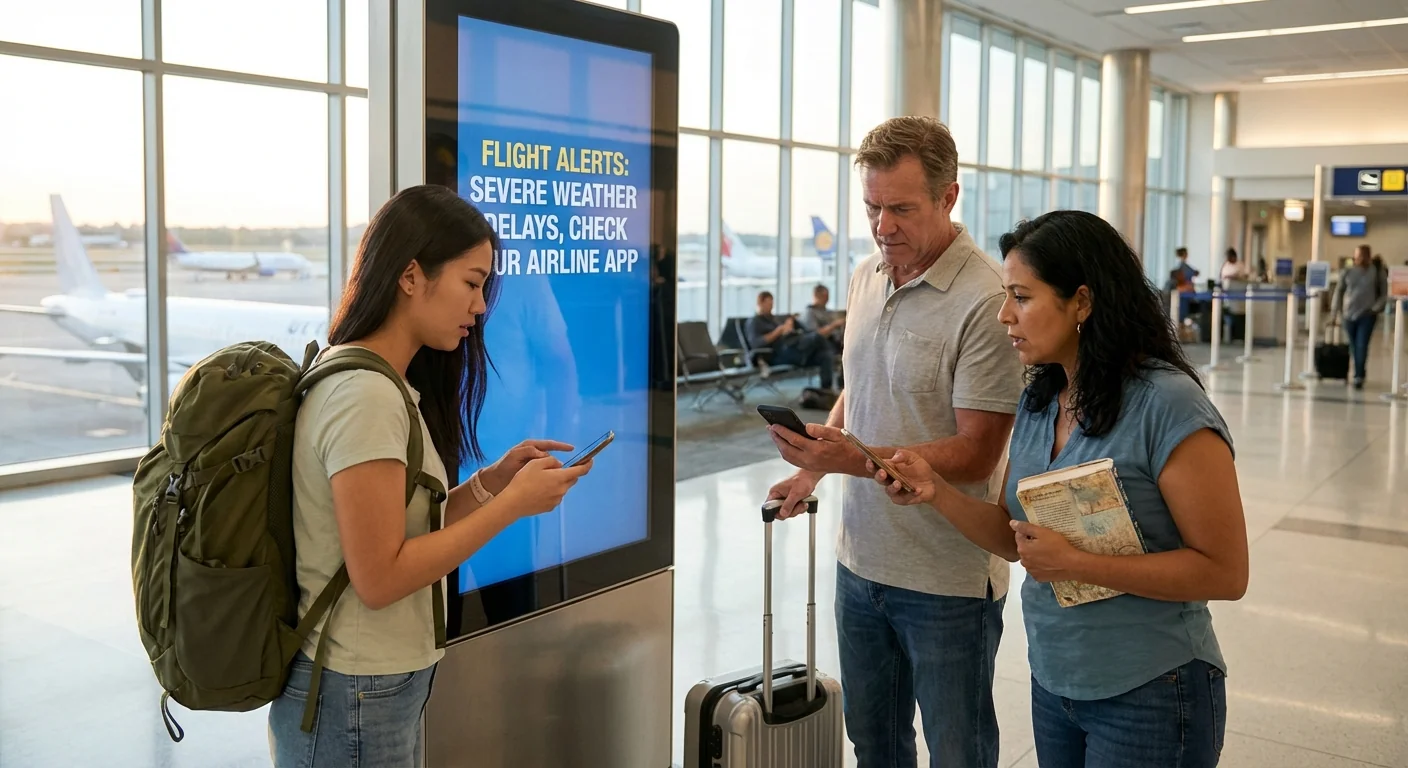
- Enroll in STEP for each destination and leg of your trip.
- Confirm travel insurance, medical evacuation, and security evacuation terms.
- Check entry and vaccine rules, including Yellow Fever requirements for Madagascar.
- Secure your lodging, ask about guards, cameras, safes, and neighborhood risk.
- Save copies of your passport, visa, and insurance, store them offline.
Take photos of all IDs, email them to yourself, and keep a printed emergency card with local police and embassy numbers.
How to decide whether to go
Madagascar travelers should map routes against Level 3 regions. If your plans cross those areas, consider rerouting or postponing. Build extra time for curfews and road closures. Avoid protest zones and government buildings.
Costa Rica travelers should be cautious with vacation rentals. Choose properties with solid door locks, outdoor lighting, and reviews that mention security. Use hotel safes. Do not let strangers into your rental. Move money only on secure networks.
Japan travel is still possible in many areas. If you plan to visit the north, confirm rail lines, ferries, and hotels before you fly. Expect aftershocks. Pack a small go kit with water, a battery pack, and meds.
Mauritius travelers should maintain increased caution. Stay aware, avoid isolated beaches after dark, and follow local news and embassy alerts.
Conclusion
This is a live policy moment. Advisories for Madagascar, Mauritius, Costa Rica, and Japan now shape legal risk, insurance coverage, and your rights abroad. If you travel, plan like a pro. Enroll in STEP, confirm insurance, follow local law, and make conservative choices. Your best defense is timely information and a flexible plan.