BREAKING: Federal judge blocks Tina Peters’ bid for release, sharpening a showdown over state power, presidential influence, and election law. The decision keeps the former Mesa County clerk behind bars as her state appeal moves forward, and it draws a bright line around what Washington can and cannot do in a state criminal case.
The Ruling, Plain and Direct
A federal magistrate judge, Scott Varholak, has denied Tina Peters’ request for release on bond while her Colorado conviction is on appeal. In his order issued Monday, the judge said federal courts should not step in while state courts are still reviewing a case. That means Peters must pursue her arguments, including her First Amendment claim, in Colorado’s appellate courts first.
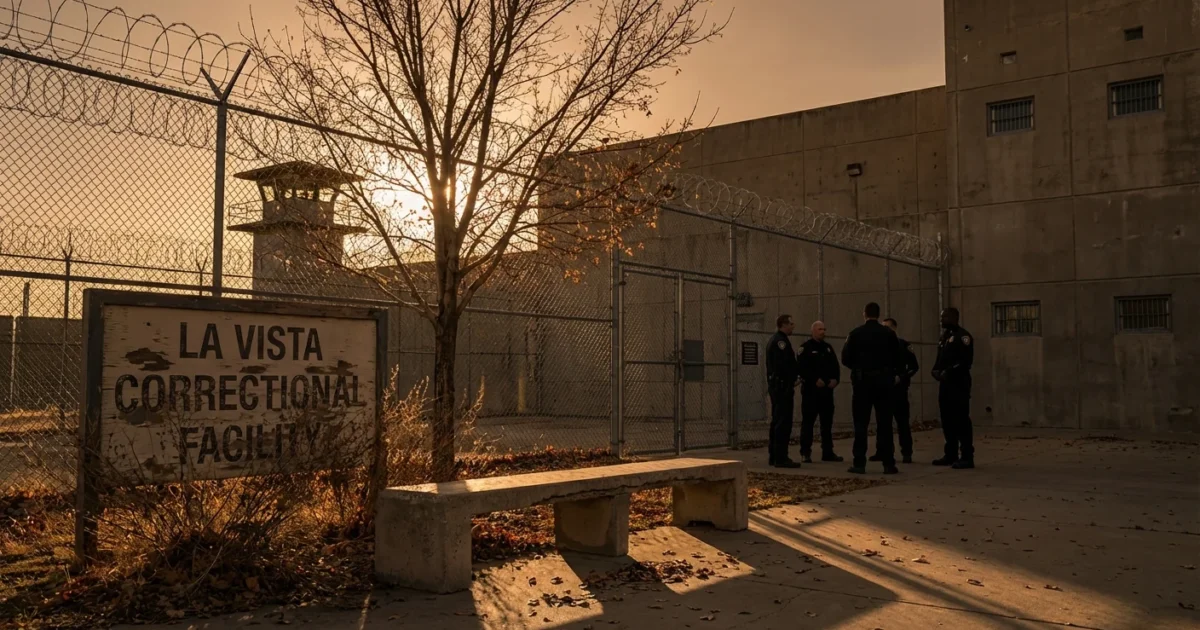
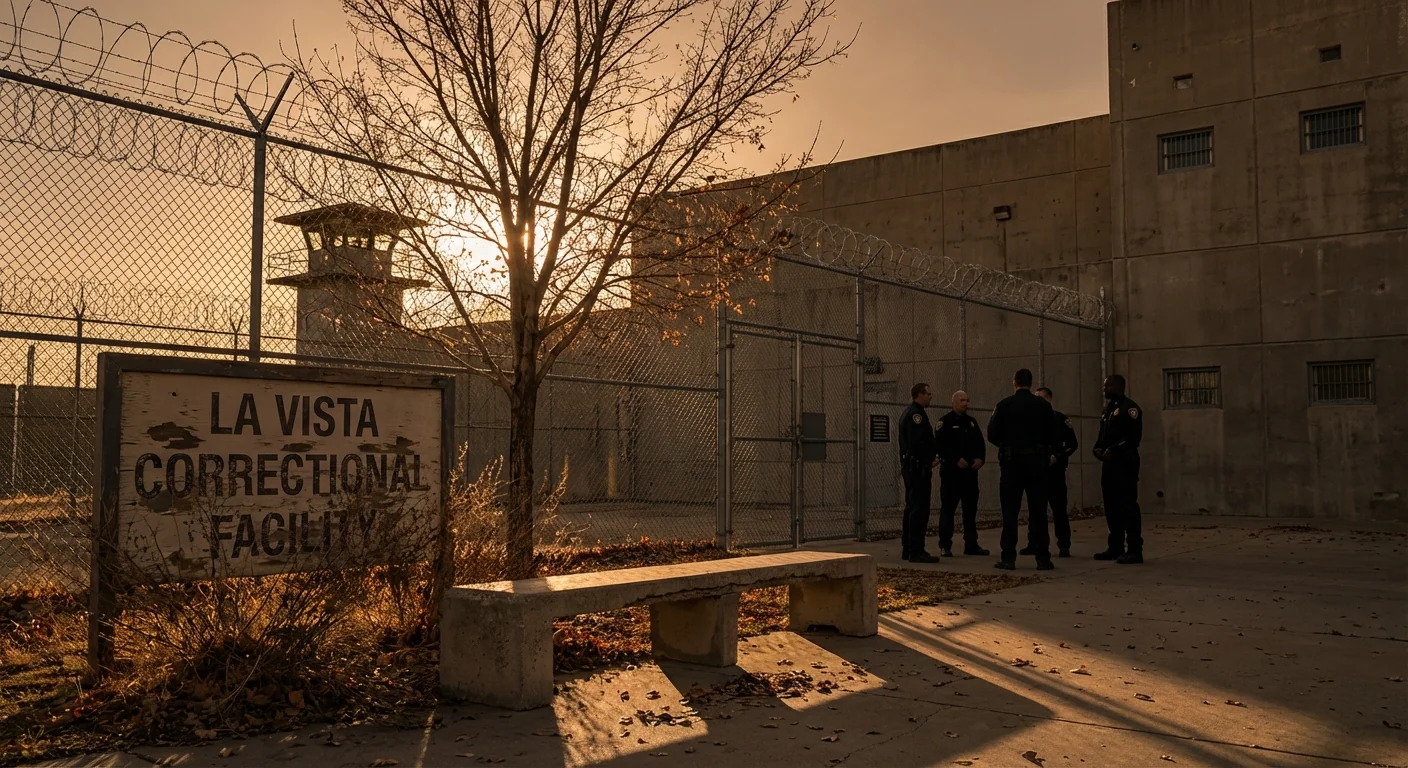
She remains in state custody at La Vista Correctional Facility in Pueblo. Peters was convicted in August 2024 on seven counts tied to a breach of voting systems and official misconduct, including four felonies. She received a nine year sentence in October 2024.
What Washington Can Do, and What It Cannot
Calls for a presidential pardon have surged around this case. Legally, a presidential pardon cannot erase a state conviction. The Constitution gives the President clemency power only for federal offenses. That power does not reach state court judgments.
Colorado officials have also rejected requests to move Peters into federal custody. States control their inmates unless they agree to a transfer. There is no federal authority to commandeer state prisons or force a handover in a state sentence. Any federal review by the Department of Justice does not change who holds her, or the legal path of her appeal.
A presidential pardon does not apply to state crimes. Only a governor or a state clemency board can grant relief in a state case.

State Sovereignty Meets Federal Pressure
This clash now centers on the boundary between state court authority and federal political pressure. The federal court’s denial reinforces a core rule. State appeals come first. Federal habeas relief, if it comes at all, comes later, after state remedies are exhausted.
Colorado’s refusal to transfer Peters underscores that point. The state says it will not step aside from a final state judgment. That stance aligns with the Constitution’s design, which leaves criminal law and punishment mainly to the states. Any effort by federal political actors to override a state sentence risks a constitutional standoff that federal courts tend to avoid.
Bypassing state appeals would invite a federalism fight and could backfire, prolonging the case rather than speeding it up.
Citizen Rights, Election Security, and the First Amendment
Peters argues that her punishment chills speech. She says she acted on concerns about election integrity. The legal line, however, is clear. Speech is protected, crimes are not. Speaking at public meetings is protected. Violating access controls, copying secure data, or conspiring to tamper with systems is not protected speech.
This case sends a signal on election security enforcement. States will apply criminal law when insiders breach safeguards. That is meant to protect ballots, machines, and public confidence. It also shows the importance of lawful oversight. Citizens who want to scrutinize elections have tools that do not cross legal lines.
- Use open records laws to request documents.
- Observe lawful audits and canvasses.
- Petition officials, attend public meetings, and comment.
- Report concerns to state and county election authorities.
You can watchdog elections without risking charges. Use records requests, lawful observation, and formal complaints, not unauthorized access.
What Happens Next
Legally, the path is narrow but clear. Peters’ state appeal will move through Colorado’s courts. She may ask those courts for bond pending appeal, and they can decide under state law. If she loses in state court, she can seek review in the U.S. Supreme Court on federal issues. Only after the state process ends can she return to federal court for habeas review.
Here is what today’s federal denial means right now:
- Peters stays in Colorado custody during the state appeal.
- The President cannot pardon a state conviction.
- Federal custody transfer cannot be forced on Colorado.
- Federal habeas relief is off the table until state remedies are done.
Conclusion
The court’s message is firm. State criminal judgments stand unless state courts change them. The federal bench will not short circuit that process. For Tina Peters, the legal fight moves back to Denver. For everyone else, the lesson is bigger. Elections must be secured, speech must be protected, and the boundary between politics and prosecutions must hold.