Thailand launches cross-border airstrikes. Ceasefire collapses. Civilians flee. I can confirm Thai air assets struck Cambodian positions along the disputed frontier today, after deadly skirmishes overnight. The fighting has pushed families out of their homes, strained the military, and raised hard legal questions that the government must answer now.
What happened today
On December 8, Thai forces conducted targeted airstrikes against Cambodian positions in contested border areas. Thai commanders cite soldier casualties from recent clashes as the trigger. Cambodia rejects blame and urges a halt. Heavy weapons fire has continued through the day, then eased in intervals, as ground units maneuver along rough terrain.
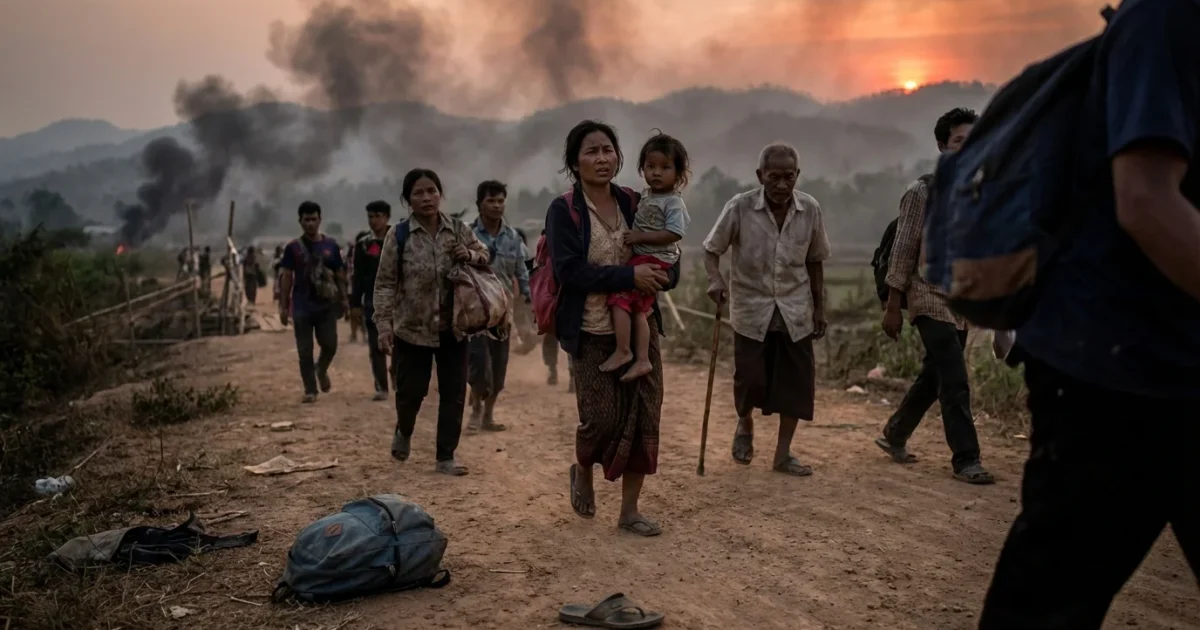
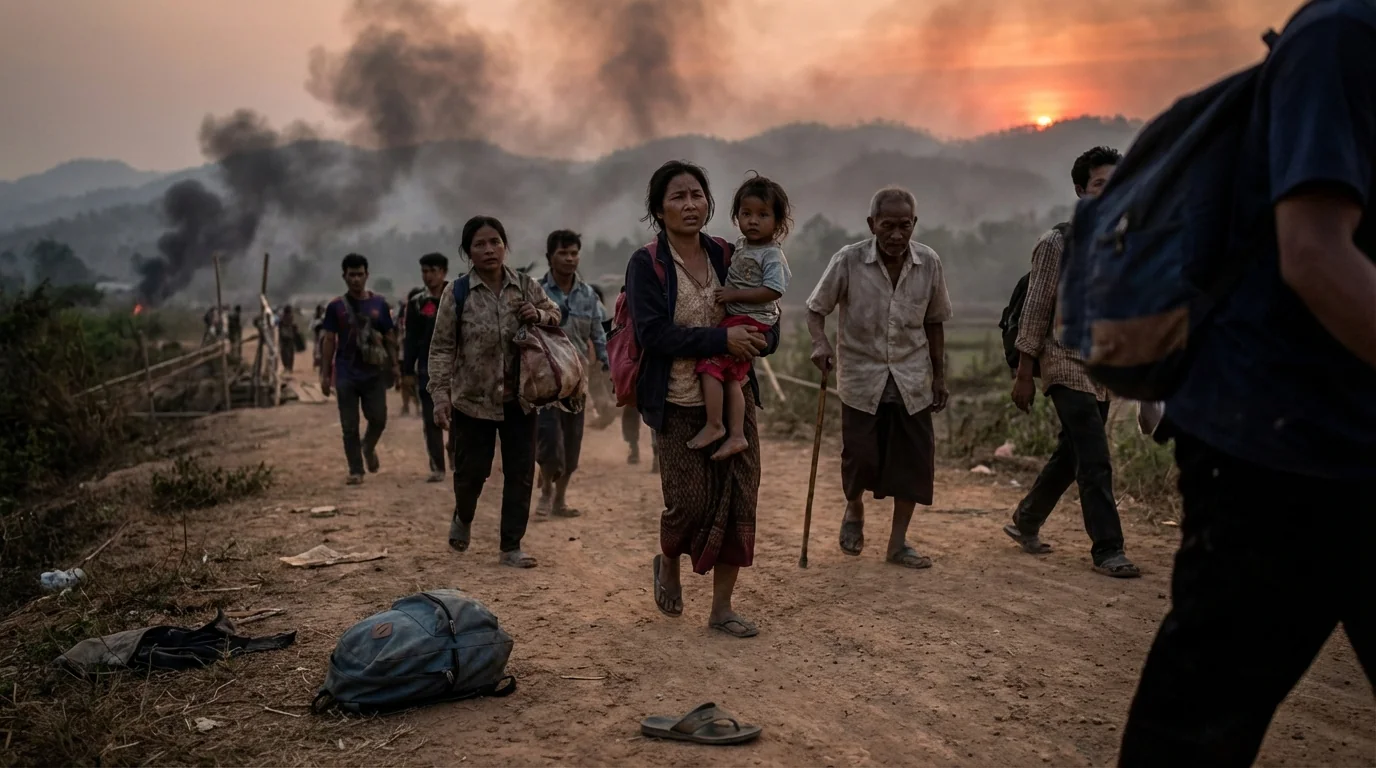
The humanitarian impact is severe. More than 385,000 Thai civilians have moved from border communities. Local shelters are full. Provincial hospitals are on standby. On the Cambodian side, officials report more than 1,100 families uprooted. Casualty figures for both militaries remain fluid and incomplete.
This escalation follows an October ceasefire that never took root. Landmine incidents in early November injured Thai soldiers and shattered fragile trust. Each side accuses the other of provocation. The dispute has deep roots, including disagreements around the Preah Vihear temple and a 1962 court ruling that remains politically sensitive.
The legal and civic stakes
Today’s operations carry immediate obligations under international law. Thailand must take constant care to spare civilians. That means distinction, proportionality, and feasible precautions with every strike. Cross-border use of force must be justified as self defense and reported without delay to the public and to regional partners.
At home, any curfew, checkpoint, or evacuation order must rest on law. The Emergency Decree, the Martial Law Act, and the Internal Security Act set different standards. Authorities must choose the least restrictive tool, give clear reasons, and set time limits. People have the right to know why measures are imposed, how long they will last, and how to appeal.
Air strikes near civilian areas create high legal risk. Commanders must record target selection, warnings, and after-action reviews to show compliance with the law.
Civilians who lose homes or livelihoods are entitled to assistance. That includes safe shelter, food, and basic healthcare. Compensation for damage should follow clear procedures and fast timelines. Cross-border flight will test Thailand’s duty not to return people to danger. Even without refugee treaty status, the non refoulement principle applies.
Why the ceasefire failed
The October deal lacked teeth. There was no trusted joint monitoring team, no map-based hotline that worked at the unit level, and no shared demining plan. Once the landmine blasts hit in November, anger rose, and field commanders acted on edge. Political voices, facing domestic pressure, hardened public lines. Deep history, including unresolved boundary demarcation near sacred sites, filled the vacuum.
A durable pause needs three parts. First, verifiable pullbacks with neutral observers on the ground. Second, a joint incident board with authority to release findings fast. Third, a roadmap for demarcation and demining, tied to clear dates and transparent reports.
Unexploded ordnance is now a growing threat. Children and farmers face the highest risk once shelling stops. Mark danger zones and avoid handling any metal fragments.
Regional and economic fallout
ASEAN must move from statements to mechanisms. The Treaty of Amity and Cooperation allows an urgent High Council meeting. That forum can bless a monitored buffer zone, daily deconfliction calls, and a path back to the border commission. If talks stall, the parties should seek provisional measures from an international court to freeze positions and protect civilians.
At home, policy choices get harder. The 267 billion baht package for small businesses is on the line. Funds may need reprogramming for relief and reconstruction. Investor confidence is already thin. Growth warnings and political uncertainty amplify the shock. Tourism, border trade, and logistics will feel it first. Defense outlays must follow procurement rules, with emergency exceptions kept narrow and disclosed.
What citizens need to know
- Follow official evacuation routes. Carry ID and essential medicines.
- Register at shelters to access aid and future compensation.
- Document property damage with photos and witness names.
- Report shelling, UXO, or missing persons to local hotlines.
Keep a small go bag ready. Water, copies of documents, phone charger, a flashlight, and basic first aid items can save time and stress.
Conclusion
Thailand has taken a grave step today. The law still speaks in a crisis. Protect civilians. Explain decisions. Open the door to monitors and talks. Secure the border with rules, not rage. The faster leaders act on those duties, the faster families will return home in safety.