Breaking: Eight youth football players were arrested for an alleged group theft at a DICK’S Sporting Goods in Polk County, Florida, just hours before a national title game. The case now sits at the center of a wider fight over retail theft, youth supervision, and how one store incident can ripple into investor decisions and policy debates. I have confirmed the arrests and the core facts with local authorities and team representatives.
What happened, and why it matters
On December 7, eight teens from a Philadelphia youth team were detained at a DICK’S store. Deputies allege the group took 47 items worth about two thousand dollars. The players, ages 14 and 15, were booked on retail theft charges. A conspiracy count was also noted. They did not play in the championship game that evening. Their team lost 26 to 6.
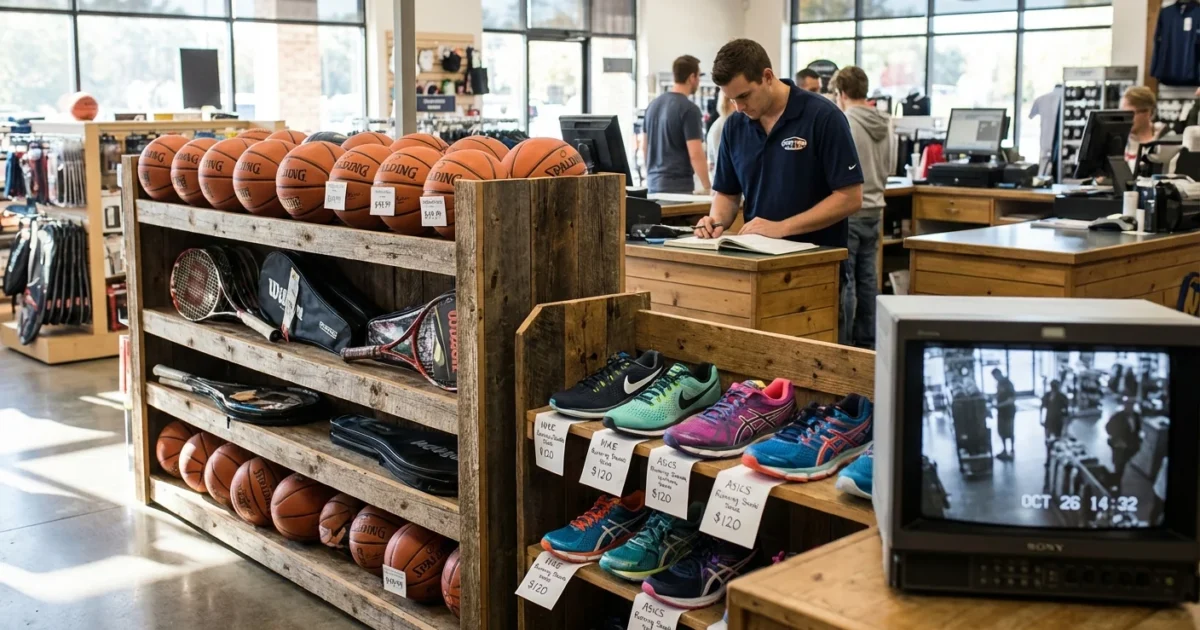
The Polk County Sheriff publicly rejected pleas for leniency from the team’s coach. That statement hardened the enforcement tone and raised the stakes for any diversion talks. The store kept surveillance footage and item logs, which will be key evidence.
The legal frame: rights, charges, and store authority
This is a juvenile case, but Florida takes retail theft seriously. At around two thousand dollars, prosecutors can pursue a felony theft count, depending on how they value the items and charge the group. Florida law also allows enhanced penalties when people act together to steal from a retail store. That decision sits with the State Attorney.
Juvenile matters move fast. A detention hearing usually follows within a day. Parents or guardians must be notified. Many cases still resolve through diversion, restitution, and community service. That outcome depends on prior records, the facts, and cooperation.
Stores have power too. Florida’s shopkeeper’s privilege lets merchants briefly detain suspected shoplifters in a reasonable way if there is probable cause. Retailers can also seek civil recovery in court for losses tied to theft. That can include the value of the goods, costs to investigate, and legal fees, subject to state limits.
Key rights still apply. The teens are presumed innocent. They have the right to remain silent and the right to counsel. Any store detention must be reasonable in time and manner.
Youth sports and duty of care
Travel tournaments bring pressure. Coaches and chaperones also carry a duty to supervise. Teams that cross state lines should set clear codes of conduct, curfews, and check-ins. Asked if the league will sanction the program, officials told me they are reviewing available reports and video. Insurance carriers will ask the same questions if claims follow.
For coaches and parents: spell out rules before travel, confirm who supervises each group, and document check-outs for store trips. Small steps prevent big problems.
Retail security, policy signals, and what stores can do now
This incident shows how quickly coordinated shoplifting can unfold, even with cameras and staff nearby. Retailers should pair training with clear signage, visible cameras, and rapid evidence handoffs to police. Local prosecutors in Florida have prioritized retail theft cases this year. That means better odds that strong cases will move.
Here are immediate steps I am seeing effective stores take:
- Refresh staff training on probable cause and safe stops
- Stage high value gear in locked zones or with smart tags
- Share incident data with local task forces
- Offer youth teams guided fittings with supervision
The market angle, and disclosure duties
While one case rarely moves a company’s bottom line, reputational events can shape investor views. I reviewed recent fund filings. Two large institutions cut their positions in DICK’S in recent months. The exact reasons were not disclosed. At the same time, technical traders point to improving price strength and a constructive chart setup, often called a cup with handle. Fundamentals are mixed, with strong revenue growth and softer earnings per share. That split keeps the debate lively.
This theft is unlikely to trigger an immediate SEC filing. Companies must disclose events that are material to investors. A single store incident usually does not meet that bar. Still, boards often ask management for a security and communications plan after episodes like this.
Investor takeaway: watch for any policy updates on loss prevention, changes to shrink guidance, and comments on brand health during the next earnings call.
What comes next
Expect quick juvenile hearings, then a longer period of case review. Restitution and community service are common outcomes in first cases. If prosecutors pursue group enhancements, penalties can rise. The league will issue its own response once the legal path is clearer. All eyes are on whether this becomes a model case for Florida’s push against organized retail theft.
Conclusion
One store incident, eight young athletes, and a cascade of legal, civic, and market effects. This case is a stress test for juvenile justice, youth sports oversight, and modern loss prevention. The law is clear on rights and remedies. The decisions now will show how Florida, retailers, and teams balance accountability with a path forward.