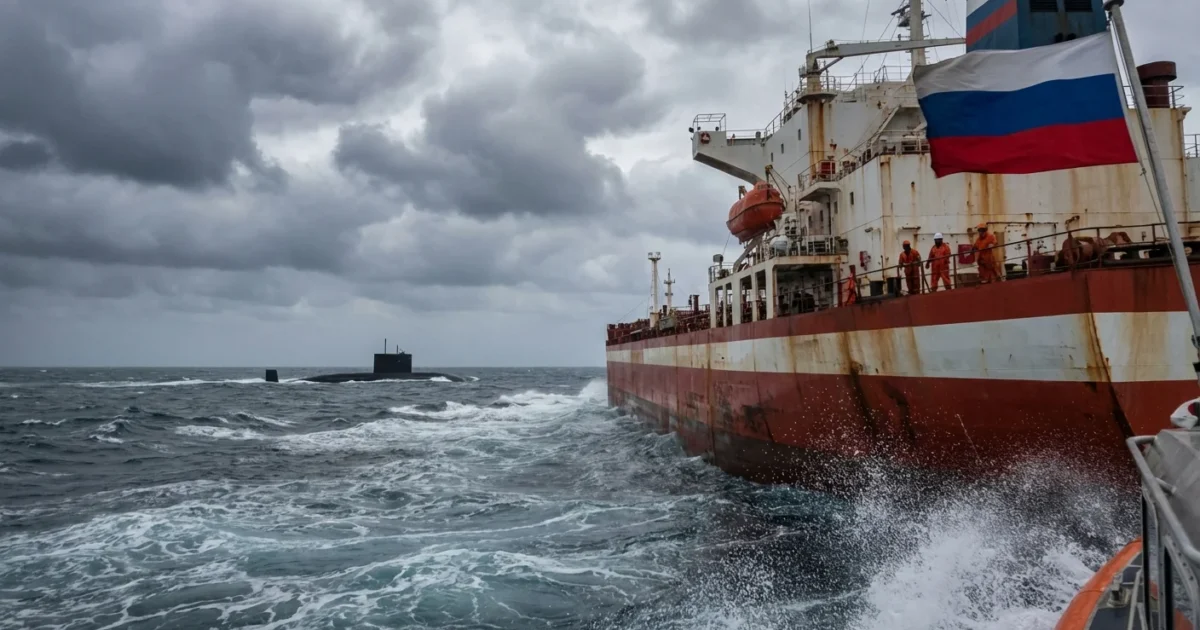
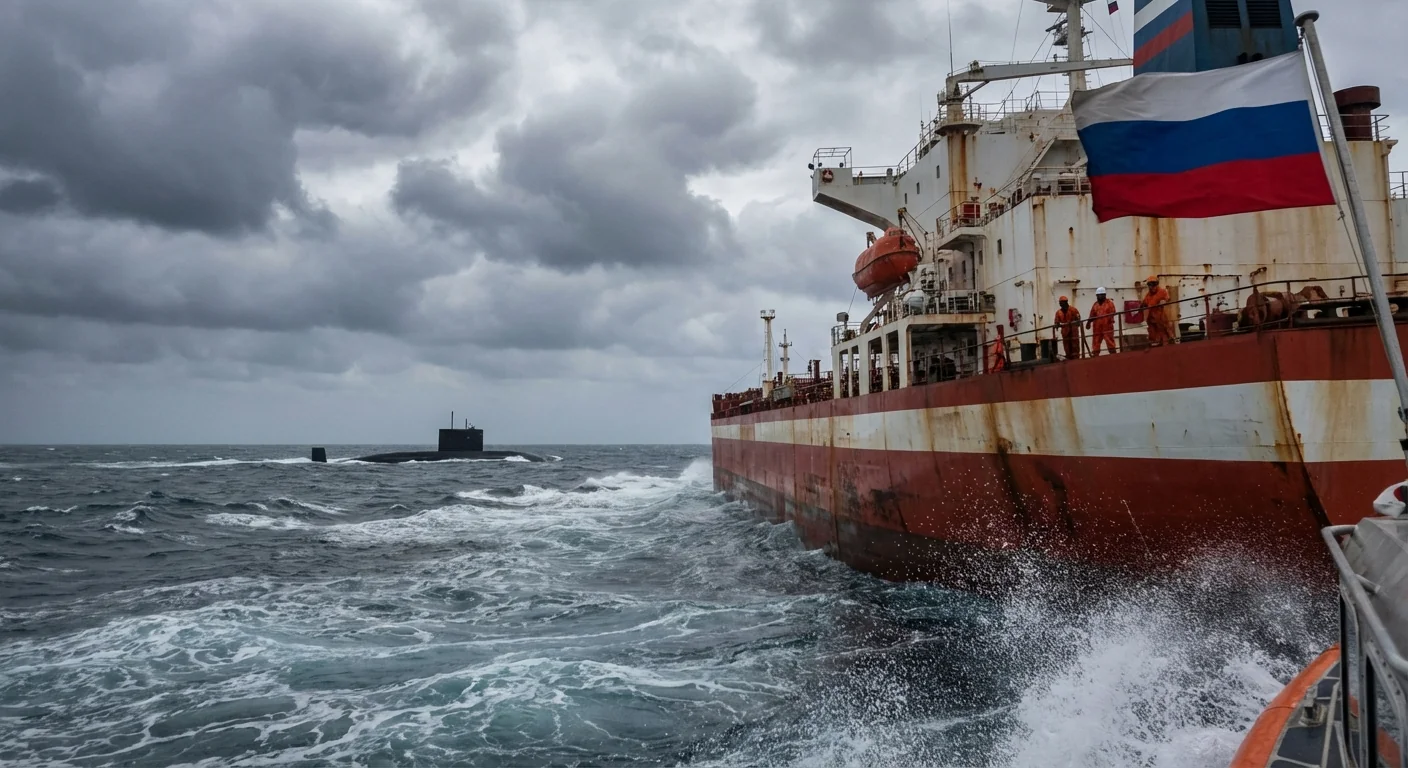
A Russian‑flagged oil tanker is now in U.S. custody after a high seas interception tied to Venezuelan crude. Within hours, Russia moved a submarine to escort a second tanker near Venezuela. The Caribbean has turned into a test of sanctions law, naval resolve, and oil flows.
What I can confirm right now
U.S. authorities intercepted and say they have seized a Russian‑flagged tanker linked to shipments of Venezuelan oil. The operation is part of an aggressive push to enforce sanctions and the G7 price cap. I am told the action involved a U.S. court order and Treasury coordination, with a focus on suspected sanctions evasion.
Russia’s answer came fast. A Russian submarine is now escorting another tanker in waters near Venezuela. That escort signals a willingness to shield cargoes at sea. It also raises the risk of a face off in a busy shipping lane used by global oil traffic.
The tanker at issue is tied to opaque companies and insurance outside mainstream clubs. This is typical of the shadow fleet that moves sanctioned barrels. Ship‑to‑ship transfers, long gaps in transponder signals, and flags of convenience are common. Today’s moves show that both sides are ready to push harder on the water.
The submarine escort marks a sharp escalation in the Caribbean corridor, where commercial traffic and naval patrols now mix at close range.
The law at sea, and who gets to act
Washington is using its core tools. The International Emergency Economic Powers Act gives the President broad authority over foreign assets. The Treasury’s sanctions office, known as OFAC, can designate ships and owners. The Justice Department can seek civil forfeiture of cargo and, in some cases, the vessel.
Jurisdiction matters. On the high seas, a ship is under the control of its flag state. The U.S. usually acts when a vessel enters a friendly port, a U.S. zone, or with partner consent. Seizures often target the oil itself, then the ship, depending on access. Today’s operation appears to follow that pattern, backed by a judge’s order.
Crew rights are not optional. Seafarers are entitled to safe treatment, wages, medical care, and consular access. Owners can challenge any seizure in U.S. court. Evidence must be tested, and notices must be served. Due process still rules, even in a sanctions case.
Seafarers retain rights under maritime law, including repatriation and consular access. Sanctions do not cancel basic crew protections.
Russia, for its part, can escort its flagged ships in international waters. Submarines must surface in territorial seas, but they can remain submerged on the high seas. Any close encounter with U.S. or partner vessels now carries legal and operational risk.
Sanctions evasion can trigger asset forfeiture, criminal charges, and secondary sanctions on partners, brokers, and insurers.
Policy stakes for Washington, Moscow, and Caracas
The United States is tightening the screws on the price cap. Traders must attest to sale prices and provide documents. If a cargo looks inflated or uses banned services, the U.S. can act. Today’s seizure shows that the paper trail is not enough without proof the oil met cap rules.
Insurers face a hard calculus. Traditional P&I clubs avoid this trade. Alternative insurers price the risk high, if they cover it at all. With a submarine escort in the mix, the risk premium climbs again. Freight rates in the Caribbean lane are likely to jump.
For Russia, the submarine escort aims to deter future interdictions. It also tells partners that Moscow will protect shipments. For Venezuela, any fresh oil exports will draw legal review from Washington. Deals that cross U.S. lines will meet fast enforcement at sea or at port.
- What to watch in the next 72 hours:
- New OFAC advisories to shippers and insurers
- Notices to mariners on ship‑to‑ship transfer zones
- Court filings seeking forfeiture of cargo
- Diplomatic protests and naval patrol shifts
What citizens and businesses need to know
Consumers should expect noise in prices. A single tanker does not fix or break oil markets. But tighter enforcement can spark short term volatility. Regional fuel prices may rise if shippers reroute to avoid risk.
Businesses that touch shipping, finance, or insurance need to check files today. Verify price cap attestations. Confirm beneficial ownership. Track AIS data and cargo history. If there is doubt, pause the deal.
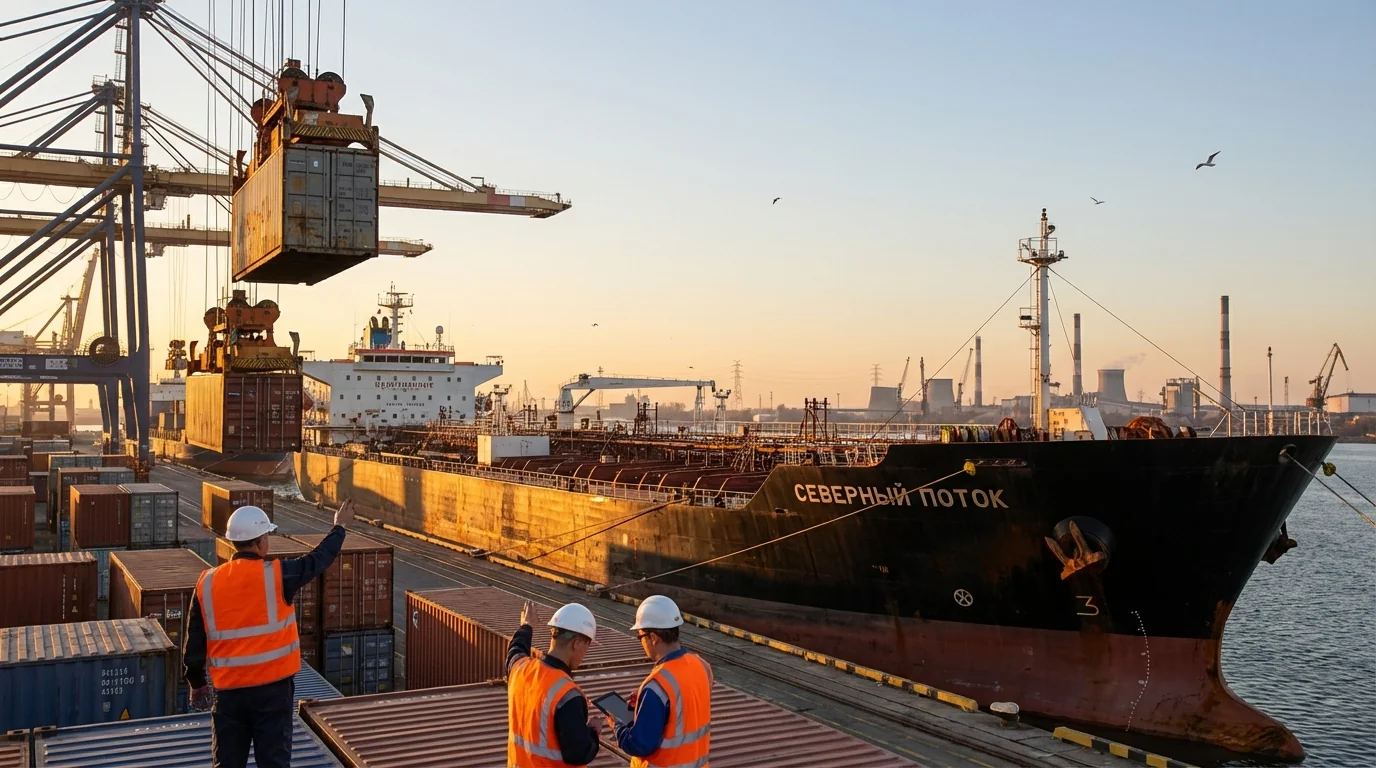
Seafarers and their families should monitor company notices and embassy alerts. Crews have the right to safe passage and support. If your vessel becomes part of an investigation, ask for counsel and consular help.
Coastal communities in the Caribbean should review spill and emergency plans. Increased naval traffic and complex cargoes raise safety stakes. Local ports may see inspections and delays as authorities screen more ships.
Keep full records of price cap attestations, bills of lading, and insurance. Screen counterparties against updated sanctions lists before every voyage.
The bottom line
Sanctions law is now steering tankers as much as wind and tide. The U.S. has shown it will reach for seizures to police the price cap. Russia has shown it will put a submarine on the route to keep oil moving. The shadow fleet has sailed into a bright spotlight. Courts, ports, and insurers will decide what happens next. The rest of us will feel it at the pump, and in the quiet but rising cost of risk.