BREAKING: Russia steps into a high-seas chase, warns U.S. to back off
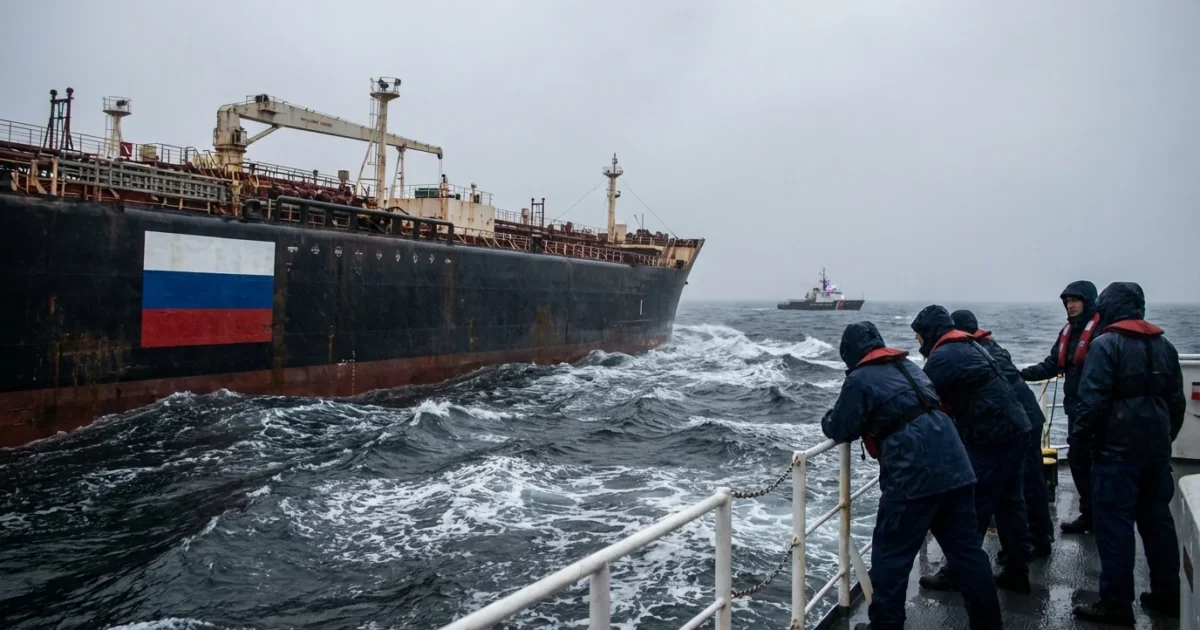
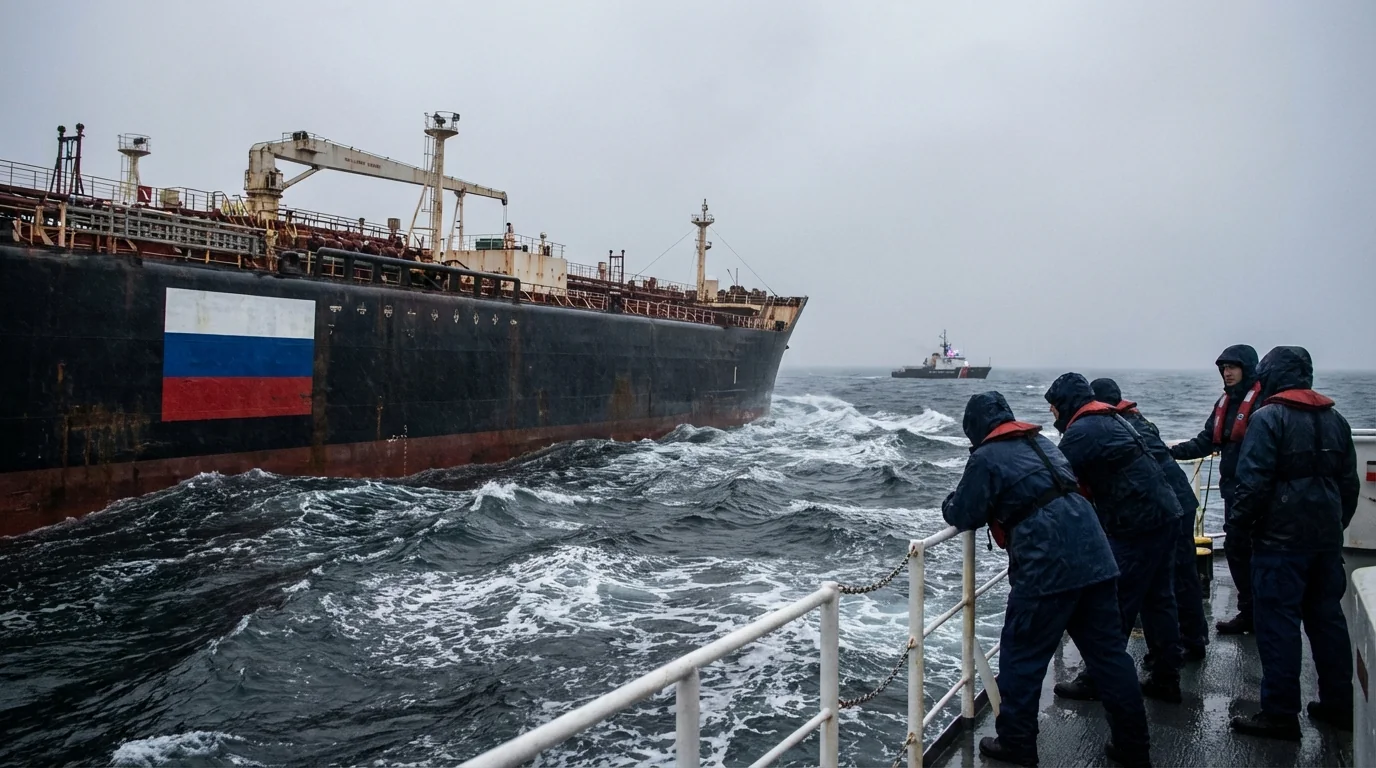
The chase is now public, and it is tense. A U.S. pursuit of an oil tanker in the North Atlantic has drawn a direct response from Moscow. The crew painted a Russian flag on the side of the ship. Within the last two days, Russia formally asked Washington to halt the pursuit and to protect the crew. I am tracking the vessel’s live broadcasts and its zigzag path right now.
What is happening at sea
U.S. authorities believe the tanker is tied to sanctions violations. The vessel was reportedly headed for Venezuela. It is now broadcasting its position, which is unusual during a pursuit. The move makes the chase visible to the world and raises the stakes.
The crew’s paint job is not a small gesture. It signals a claim of Russian protection, or at least a plea for it. The tanker’s maneuvers, along with the flag display, have pulled Russia into the middle of a U.S. sanctions action on the high seas.
A painted flag is not proof of registry. Only a ship’s formal documents show its true flag state.
The law on the water
This standoff lives in a legal gray zone. On the high seas, the flag state controls the ship. That is a core rule of maritime law. If the tanker is registered to Russia, the U.S. needs Russian consent to board. If the ship is registered elsewhere, that flag state’s consent is key.
There are narrow exceptions. If a ship is stateless, any state can board. Statelessness can occur if a vessel hides or fakes identity, or if there is no valid registration. A paint job does not cure that. The Automatic Identification System, known as AIS, must remain on for safety. Switching it off can trigger suspicion. Broadcasting it loudly can be a shield and a signal.
U.S. sanctions are backed by the International Emergency Economic Powers Act, and enforced by Treasury and the Coast Guard. The U.S. can seize oil and ships tied to sanctions evasion, but boarding in international waters usually needs a lawful hook. That can include consent from the flag state, a finding that the ship is stateless, or a clear link to a U.S. jurisdiction like a U.S. dollar transaction routed through a U.S. bank.
An unlawful high-seas boarding risks an international incident, sanctions blowback, and legal claims for wrongful seizure.
Moscow pushes back
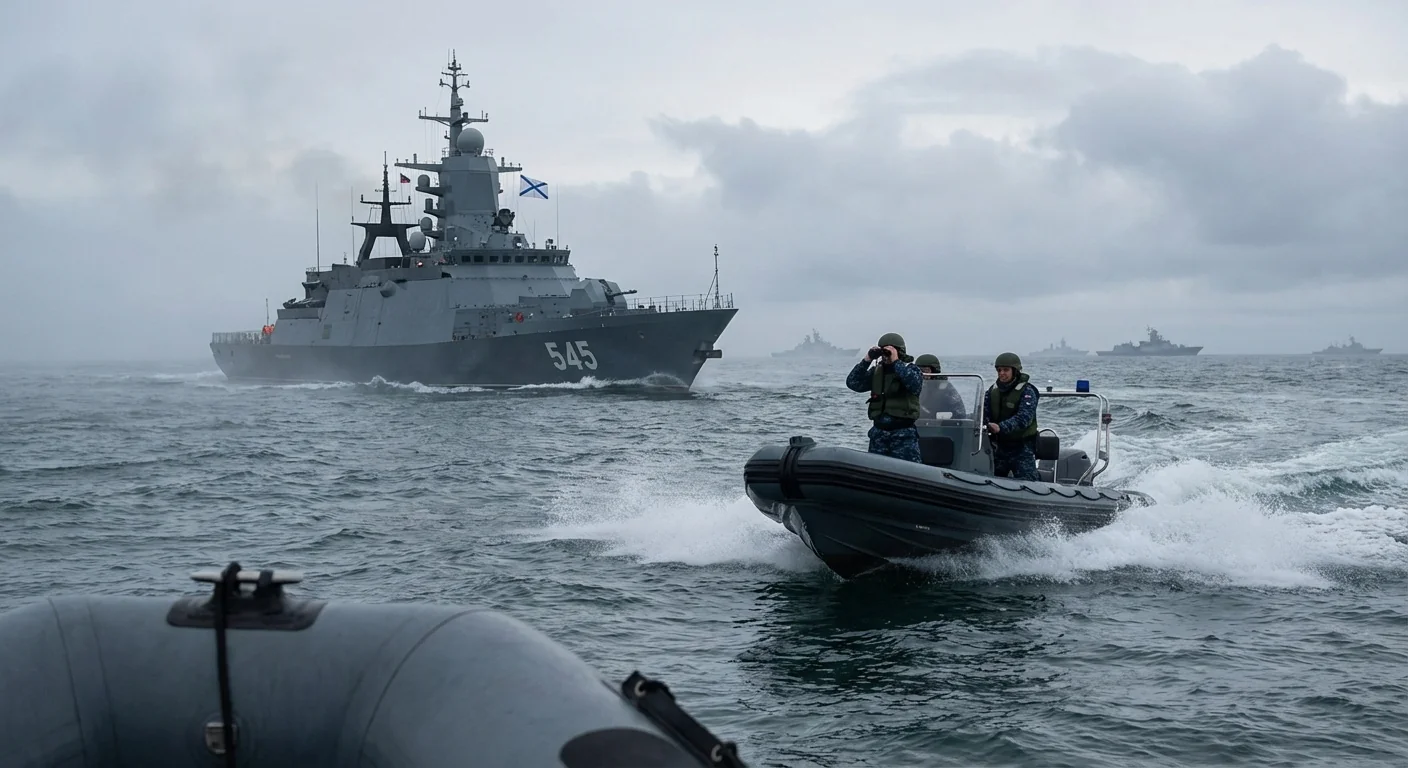
Russia sent a formal request to Washington to stop the pursuit and to ensure the crew’s safety. That message carries legal weight. If Russian nationals are on board, Moscow can demand consular access under the Vienna Convention. If Russia claims the ship as Russian flagged, it can insist on exclusive jurisdiction, absent clear exceptions.
This is also about policy. Russia is signaling that maritime sanctions fights will not go unanswered. It may be testing U.S. rules of engagement at sea. Washington now must decide whether to press for flag state consent, to argue the ship is stateless, or to break off. Each path sets a precedent.
The painted flag raises a hard question. If the ship is not truly Russian flagged, Moscow’s leverage is smaller. If it is, the legal risk to a U.S. boarding jumps. The world’s navies and insurers are watching.
Rights, risks, and what happens next
Crew safety comes first. Any interdiction must protect life at sea. If the U.S. boards and detains, the crew has rights to humane treatment and to contact consular officers. Evidence collection must follow chain of custody rules. Owners and charterers face asset freezes, civil penalties, and loss of insurance if sanctions violations are found.
For U.S. policy, the lesson is clear. Sanctions at sea now collide with great power politics. Future cases will need faster flag checks, clearer boarding agreements, and better deconfliction channels with rival states.
- Possible next steps
- The U.S. seeks consent from the true flag state and moves to board.
- Russia escalates diplomatically, or sends a ship to shadow the tanker.
- The vessel diverts to a friendly port, complicating any seizure.
- Insurers pull coverage, forcing the tanker to heave to.
Master and crew should keep AIS on, follow collision rules, and document all contacts by radio. Safety first.
Why this moment matters
This case turns sanctions enforcement into open theater. The law of the sea is being tested in real time. The outcome will guide future standoffs from the Atlantic to the Gulf. If the U.S. shows it can enforce sanctions cleanly, with lawful basis and restraint, it strengthens its hand. If it overreaches, it hands rivals a diplomatic win.
Watch three signals in the hours ahead. Does the U.S. secure flag state consent. Does Russia escalate beyond notes to presence. Does the crew maintain broadcasts and comply with safety calls. The paint on the hull may fade. The legal lines drawn today will not.