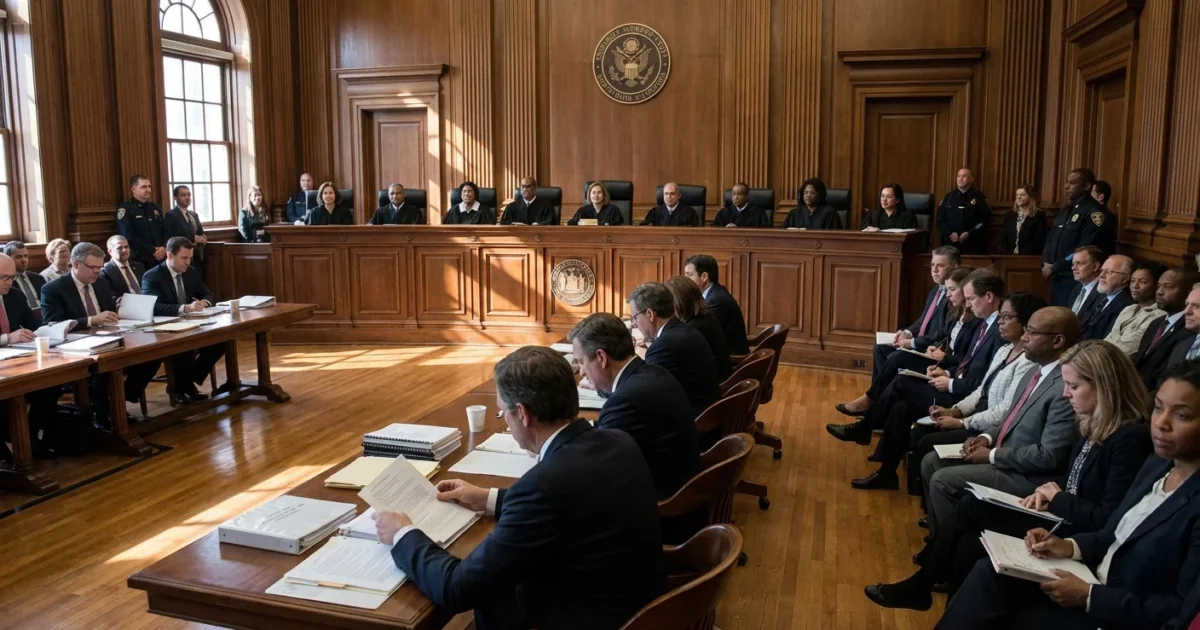
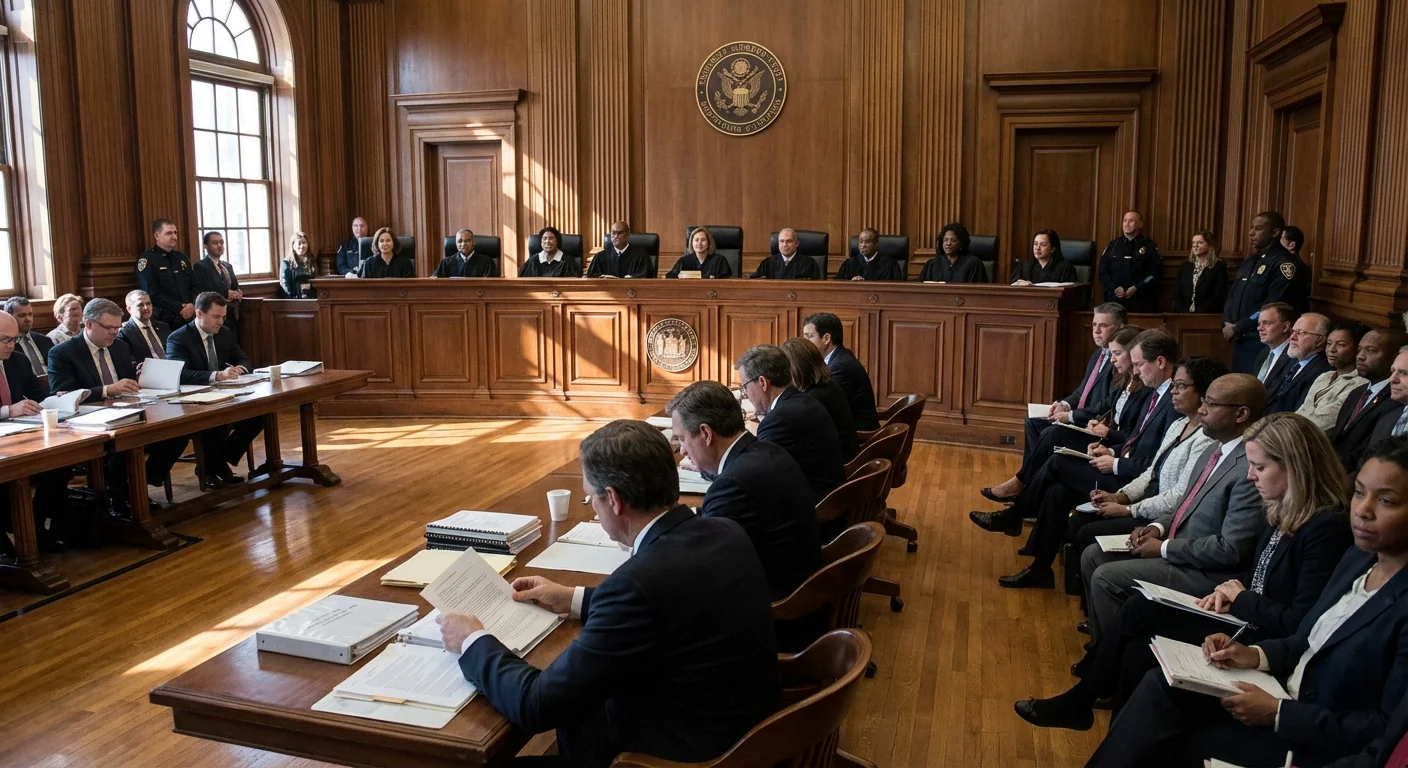
The Supreme Court held back a decision on tariffs today, and the wait just got more serious. I can confirm the justices did not release the tariff ruling this morning, leaving businesses, lawmakers, and households in limbo. Inside the administration, advisers are already mapping a fallback. If the current tool is cut back, they plan to reach for others to keep tariffs in play.
What exactly is at stake
At the core is one question. How far can a president go in setting broad tariffs without new approval from Congress. The Court is weighing the limits of power that Congress delegated decades ago. That power has been used to claim national security, to answer unfair trade, and to manage sudden import shocks.
Here are the main legal levers at issue:
- Section 232 of the Trade Expansion Act, tied to national security
- Section 301 of the Trade Act, tied to unfair trade practices
- Section 201 safeguards, tied to import surges
- The emergency powers law known as IEEPA, tied to declared national emergencies
These statutes give a president wide room to act, but they require findings, process, and a record. The Court could say those guardrails need to be tighter. It could also bless the status quo. Either path will reset the balance between the White House and Congress on trade.
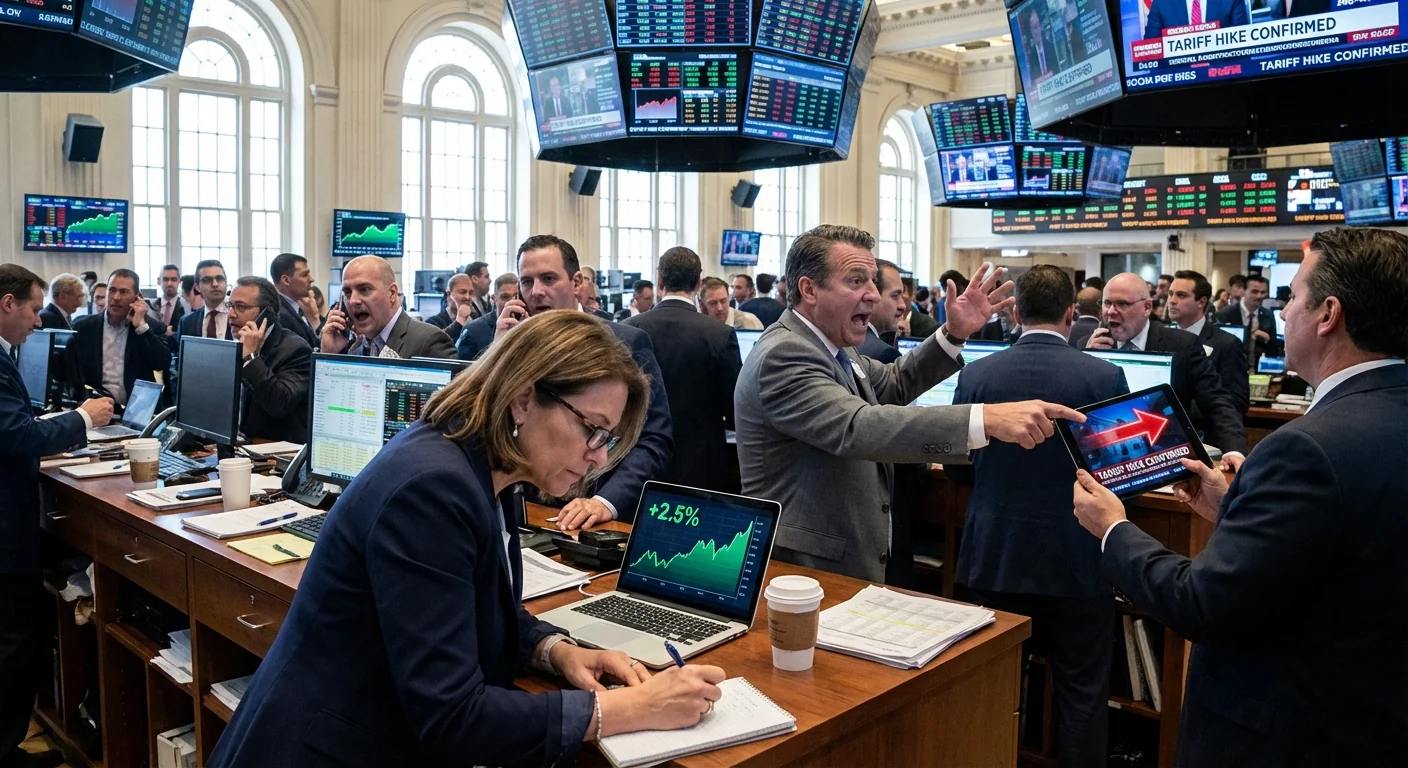
Prices at the store often move first on goods that are heavy to ship, or rely on parts from many countries. Watch appliances, cars, tools, and electronics.
If the White House wins
If the Court affirms broad power, tariffs can continue under current statutes with few changes. The administration could expand measures faster, and reach more products and countries. Agencies would still have to make findings, but courts would likely give them wide deference.
For consumers, that outcome points to higher prices on imported goods, and on many items made with imported parts. Inflation could get a nudge. Retailers would juggle inventories and pass costs along. Some companies would accelerate moves to shift suppliers, which takes time and cash.
For businesses, the cost of capital and planning risk would rise. Firms that rely on global parts would face more uncertainty. Some industries would gain protection, like steel or certain tech parts. Others would absorb higher input costs. Trade partners could answer with their own barriers, and that could hit exporters, including farmers.
For policy makers, a win keeps trade power centered in the executive branch. Congress could still pass limits, but it would be a political lift. States would have little say, since tariffs are a federal power.
If the White House loses
If the Court narrows presidential tariff power, expect new rules on how and when tariffs can be used. The justices could require clearer national security findings, tighter timelines, more public input, and stronger links between the harm and the remedy. Some tariffs could be sent back to agencies for more work. Others could be struck if the law is read more narrowly.
The administration is preparing to pivot. It can try Section 301 to target unfair trade, or declare a limited emergency under IEEPA. Both paths come with procedures, and both invite fresh lawsuits. In the near term, existing duties may stay in place during remands, but planned expansions could stall.
For consumers, a loss for the White House could slow new tariffs, and ease pressure on price tags later this year. For businesses, planning may get simpler if the Court demands clearer rules. For markets, the first reaction could be sharp. Then attention will shift to Congress, because any big new tariffs would likely need new law.
Expect fast swings in sensitive sectors. Autos, semiconductors, farm exports, and retail stocks can move on headlines. Volatility is risk, not a verdict.
Your rights and the rulebook
This fight is not abstract. It is about who decides, and how transparent that process is. A tighter ruling would strengthen the role of Congress and reinforce checks and balances. It would also boost transparency, since agencies would need clearer public records.
Importers and trade groups can challenge tariffs in the Court of International Trade, and then on appeal. If the Court raises the bar for findings, those challenges get stronger. Refunds of wrongly collected duties are possible in some cases. Workers and consumers have indirect rights here too. They benefit when the rules are clear, and when public input is required before major economic changes.
What to watch next
The Court can issue the opinion any day. The moment it lands, agencies will adjust guidance. The administration will move to whichever statute the ruling leaves most open. Congress is already eyeing guardrails, like time limits, reporting, and a requirement to vote on large actions within a set window.
This is the pivot point. However the Court rules, trade policy will not look the same tomorrow. The decision will set the price of many goods in your cart, the strength of executive power, and the pace of supply chain rewiring. I will be watching the docket, and I will report the ruling the moment it drops. ⚖️