The Supreme Court jolted the legal landscape today. In one morning, the justices let a Texas library book removal stand and pressed into arguments that could let presidents fire independent regulators at will. Free speech and the shape of federal power are both on the line, and the consequences reach far beyond one county or one agency.
What the Court did today
The Court declined to take up a challenge over the removal of 17 books from public libraries in Llano County, Texas. That leaves the lower court’s ruling in place, and the books remain off the shelves. Many of the titles involve race, LGBTQ+ lives, and even basic health and body topics. The dispute centers on whether the First Amendment protects the public’s right to receive information from libraries, not just to speak.
At the same time, the Court heard oral arguments in Trump v. Slaughter. The question is direct. Can a president remove officials at independent agencies for any reason, at any time? The case targets a bedrock 1935 decision, Humphrey’s Executor, which has long shielded these officials from raw political control.
Two pillars of public life are at stake today, the freedom to read and the independence of federal watchdogs.
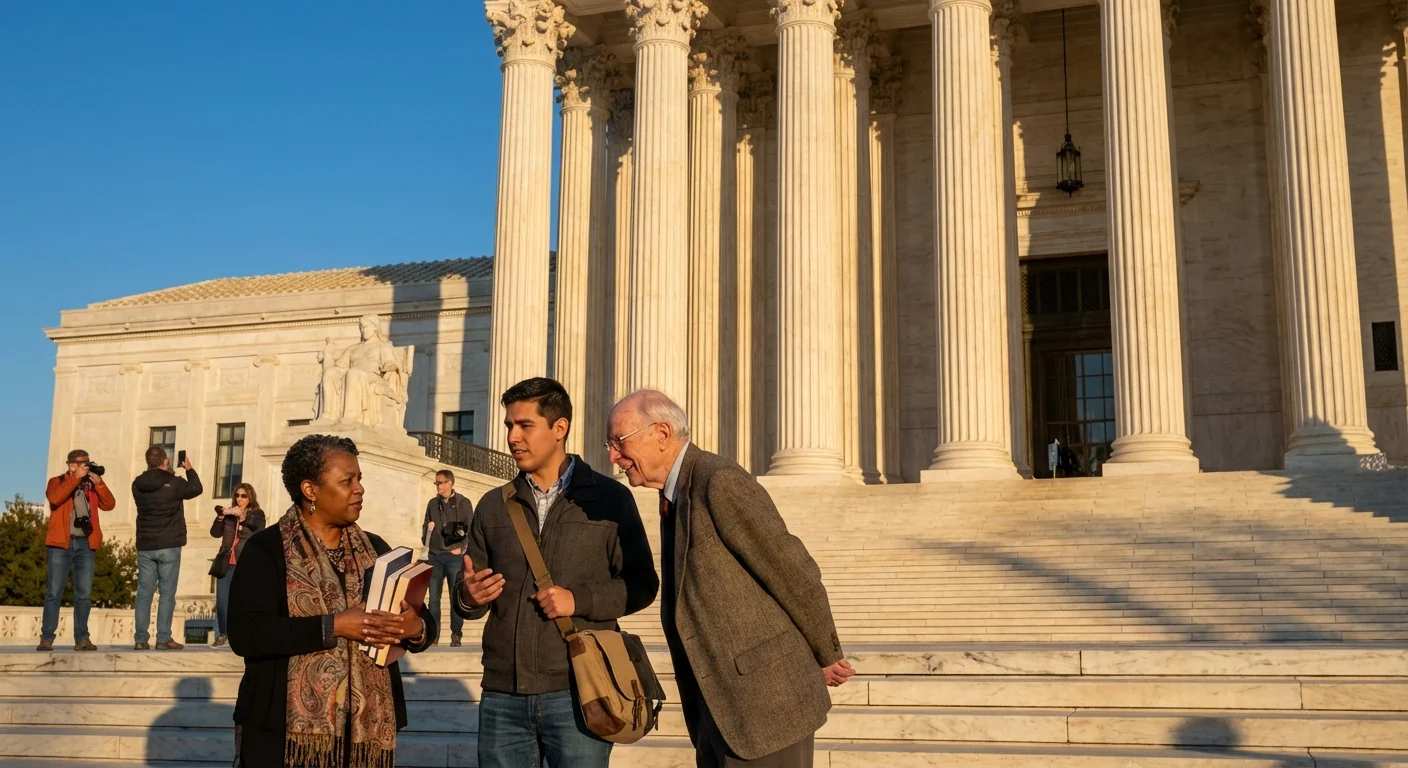
Free speech and the Texas library case
The Court’s refusal to intervene leaves a narrow but potent rule in place. Library users, the lower court said, do not have a constitutional right to specific books. Officials argued that the books remain available elsewhere, online or in private shops. The patrons argued that government removal based on viewpoint is censorship. That clash is not settled. It will now play out in other courts, county boards, and statehouses.
This move will be read by local officials as a green light, even if a cautious one. Expect more book challenges, framed as content curation rather than bans. The legal fight will turn on motive and process. Did officials follow neutral policies, or target ideas they dislike? For citizens, paper trails now matter. Emails, meeting minutes, and formal criteria can make or break a First Amendment claim.
Presidential power and agency independence
In Trump v. Slaughter, the justices probed the limits of presidential control over independent agencies like the FTC and SEC. These bodies set rules, police markets, and protect consumers. Since 1935, removal protections have aimed to keep them effective and steady, even when politics shift. The Solicitor General urged the Court to scrap that rule and give presidents full removal power.
The Court has already allowed the president to remove FTC Commissioner Rebecca Slaughter while the case is pending. That interim step signals where the majority may be heading. If Humphrey’s Executor falls, presidents could fire commissioners for policy disagreements, not just for cause. That would shake rulemaking, enforcement, and markets in real time. It would also push more power into the White House, and out of expert-led boards.
If removal protections end, agency leadership could swing sharply after each election, risking whiplash in rules that govern health care, tech, energy, and finance.
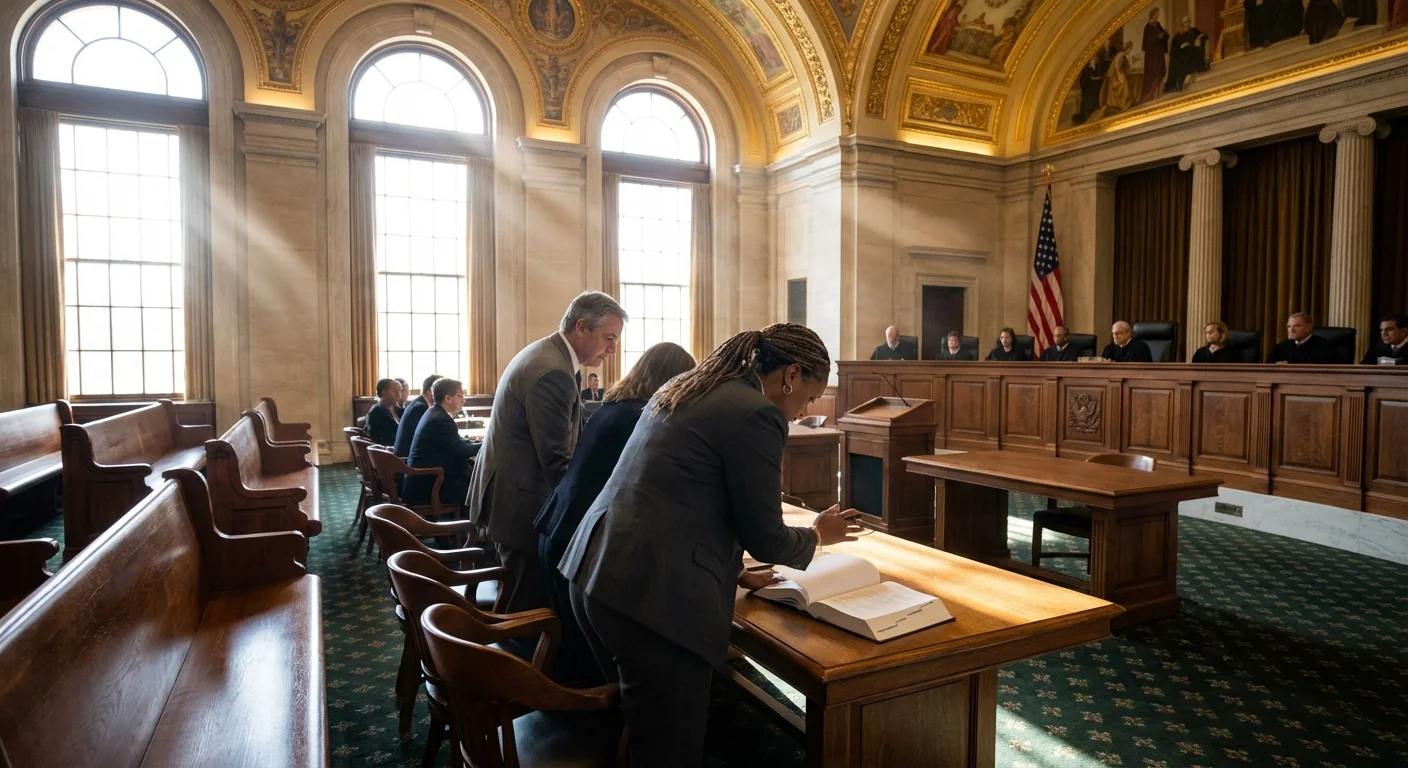
The bigger picture for policy and elections
This term already carries heavy political weight. Days ago, the Court reinstated a Texas congressional map, by a 6 to 3 vote, that favors Republicans. The justices also agreed to hear a challenge to birthright citizenship for children born in the United States to undocumented parents. Layer those moves onto today’s actions, and a pattern emerges. The conservative bloc is willing to revisit long-standing precedents and move fast on urgent requests.
The practical fallout will be felt in city councils, school boards, and federal offices. Library directors will face sharper demands to pull or review titles. Agency lawyers will prepare contingency plans for leadership turnover. And campaigns will rewrite their playbooks, since the rules of voting districts, citizenship, and regulation all shape turnout and messaging ahead of 2026.
What citizens should watch next
Courts move step by step, but the next steps could be swift. A decision in Trump v. Slaughter is expected by June. Library policies will keep changing this winter. Voters and advocates should track three fronts at once.
- Local library board agendas and removal criteria
- Agency enforcement slowdowns or surges after leadership changes
- Court calendars on maps, citizenship, and removal power
Ask your library for its written selection and removal policy, and request it be posted online. Transparency protects everyone.