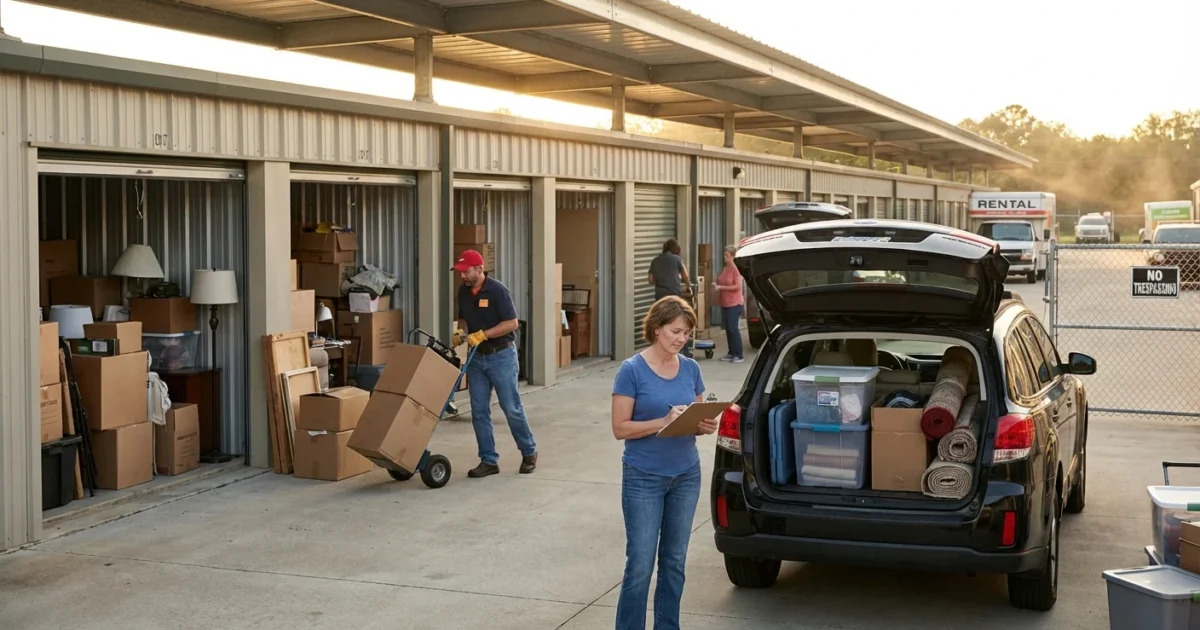
Breaking: Storage units are moving from a quiet errand to a legal hotspot. As more households pack, store, and wait, I am seeing a sharp rise in disputes over late fees, lien sales, and access rights. If you rent a unit, your lock is not the whole law. Your contract and state rules decide who gets in, what gets sold, and how fast it happens. Here is what you need to know today.
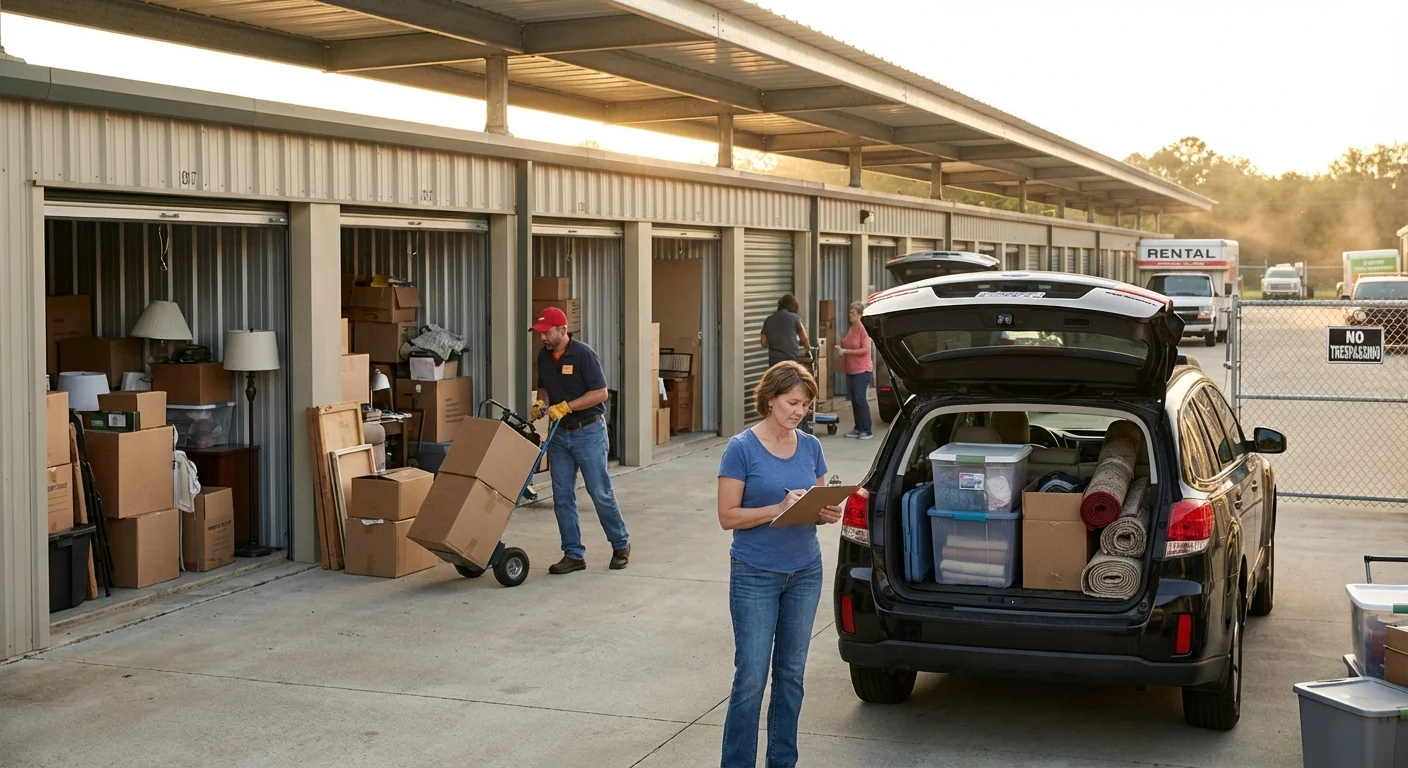
Why storage units are a legal issue now
Storage is simple in theory. You pay, you store, you access. But the moment a bill is missed, the law shifts power. In almost every state, a storage facility has a statutory lien. That means the company can lock you out, then sell the contents to recover unpaid rent. The timeline can be short. The notices can be electronic. The sale can be online.
Cities are also tightening rules on portable containers in driveways and on streets. Some require permits. Some limit how long a container can sit outside. Fire codes restrict fuel, chemicals, and lithium batteries inside units. These rules are not fine print. They decide if you keep your goods, or you lose them with little warning.
Lien timelines move fast. A missed email can cost you everything in the unit.
The law behind your lock
Most states follow a version of the Self Service Storage Facility Act. It lets owners place a lien on stored goods. To sell, they must give notice, wait a set time, and advertise the sale. Many states now allow email notice and online auctions. Read your agreement. It often chooses email as the default.
If you get a lien notice, act at once. Pay what you can, or ask for a cure plan. Document any dispute over fees. Keep copies. If the facility sells the goods for more than you owe, many states require the surplus be held for you for a period. Ask about how to claim it.
Service members have extra protections. Under the Servicemembers Civil Relief Act, a facility generally needs a court order before selling a unit held by an active duty renter.
Privacy also matters. A storage unit is not a home, but police usually need a warrant to search a locked unit. If a manager opens a unit for a lien sale and sees contraband, they can call police. The Fourth Amendment limits government searches, not private ones. Security cameras and gate logs are business records. State privacy laws may govern how long they are kept and how they are shared.
Insurance is another gap. Facilities often disclaim liability for fire, water, mold, or theft. Many require proof of insurance or enroll you in a policy at checkout. Read the coverage. Some exclude jewelry, cash, and collectibles. Climate control helps with heat and humidity, but it is not a promise against all damage.
Government policy and local rules
Cities and counties set rules for portable storage containers on streets. Many require a permit, reflective markings, and a removal date. Violations can bring tickets and forced removal. Zoning codes can also limit business uses inside units. Running a workshop in a unit can breach local rules and void your contract.
States regulate late fees and auction steps. Some cap fees. Some now allow text or email notices instead of certified mail. A few require extra notice if the owner knows you moved. Election seasons often bring tweaks to these statutes. Watch for updates from your state legislature or attorney general.
Sales tax can apply to storage rent in some states. That tax rate depends on location. If your bill seems off, ask the manager to explain what is taxed and what is a fee.
If a facility sells your unit without required notice, you can challenge the sale. Preserve all emails, letters, and payment records before you file a complaint or a claim.
Your rights and smart moves
Before you sign, check four things in the contract:
- How the facility will send legal notices
- The lien timeline and auction steps
- All fees for late payment, lock cuts, and auctions
- Insurance requirements and limits
Pick the right unit for your items. Climate control for papers and electronics. Drive up for heavy tools. Ask about camera coverage, lighting, and on-site staff. Use a high security disc lock. Photograph your items as you load. Keep a written inventory at home.
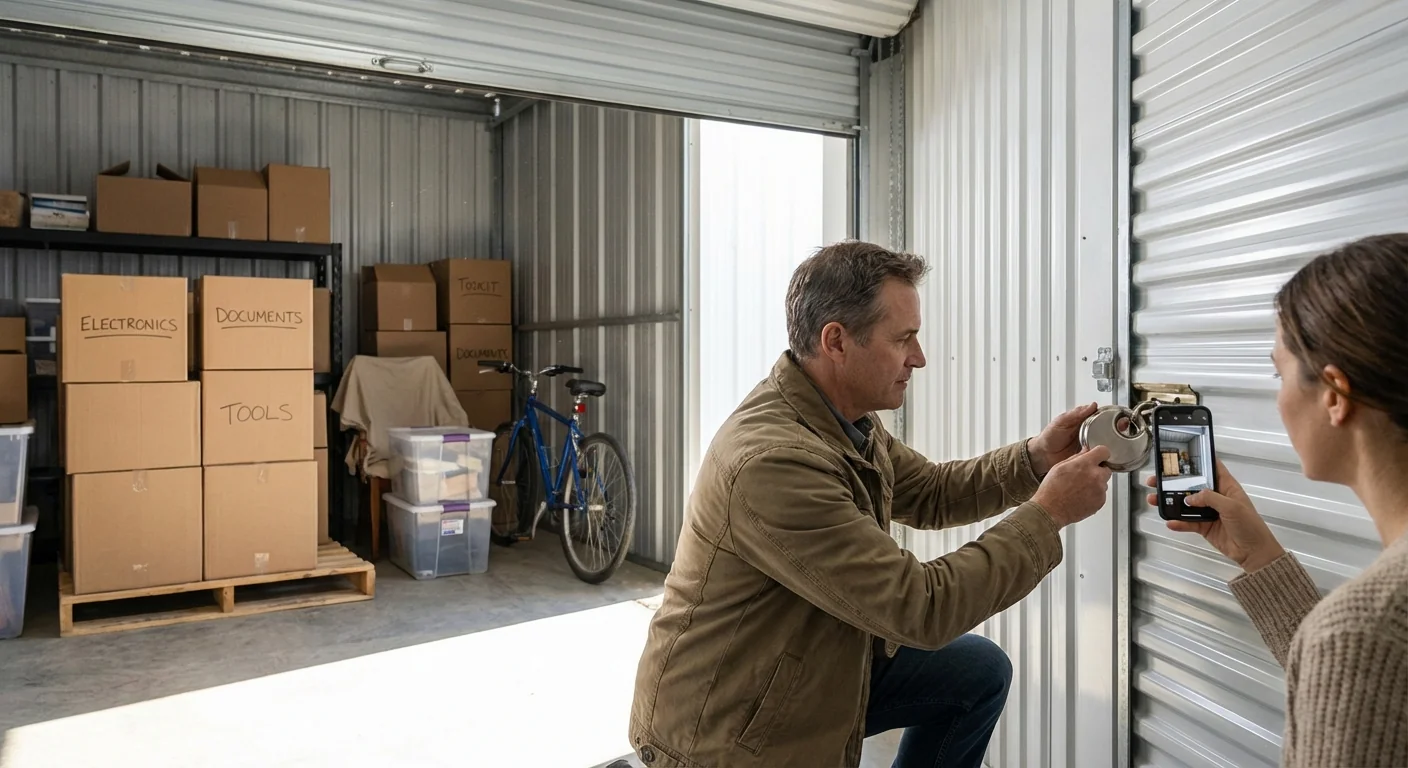
If theft hits, file a police report quickly. Give them gate logs, camera times, and your inventory. Notify your insurer. Do not wait, since policies often have short claim windows. If you believe staff were involved, include that in your report, but stick to facts.
If you get a lien notice:
- Contact the facility the same day. Confirm the payoff.
- Pay what you can and get a receipt in writing.
- Dispute improper fees in writing. Keep proof.
- If you need help, call your state consumer protection office or legal aid.
The bottom line
Storage units solve real space problems. They also sit at the edge of fast moving laws about liens, auctions, privacy, and local permits. Your best shield is preparation. Read the contract, set alerts for bills, and know your notice rights. If trouble starts, move fast, document everything, and use the protections the law gives you. Your lock matters, but the law behind it matters more.