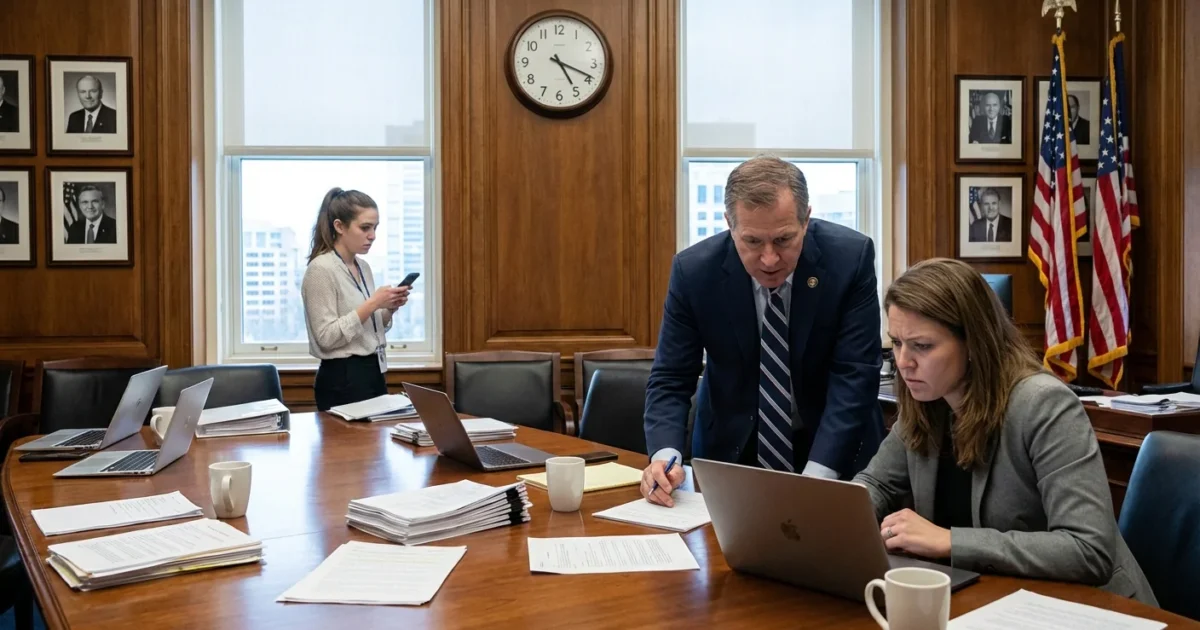
The federal government is hours from a shutdown. I am on Capitol Hill as the Senate begins votes to keep agencies open. Donald Trump and Senate Majority Leader Chuck Schumer are in direct talks. A last minute deal is on the table. The clock is the enemy.
What is happening right now
Funding runs out at midnight unless Congress acts. The Senate is moving first with a stopgap bill called a continuing resolution. That bill would extend current funding for a short time while talks continue on full year budgets. The House must pass the same text. The President must sign it before the deadline.
If time runs out, the Anti-Deficiency Act kicks in. Agencies cannot spend without a law that allows it. They must halt most routine work. Many civil servants would be furloughed. Others would work without pay until funding returns.
I am told negotiators are discussing a clean extension with a brief timeline. They are also weighing limited add ons like disaster aid and targeted border resources. Any addition adds time and risk. Speed favors a clean bill.
Even if leaders strike a deal, paperwork and votes take time. A short lapse can still occur if one chamber slows the process.
What shuts down and what stays open
Essential services continue. Troops remain on duty. Air traffic controllers and TSA keep working. Mail delivery continues because the Postal Service is not funded through annual appropriations.
Most nonessential services pause. National parks may close visitor centers or operate without services. That has health and safety risks. Many permits and loans stop, including Small Business Administration lending. Federal research, inspections, and some grant processing slow or halt.
Federal employees who are furloughed will receive back pay under current law. That is guaranteed once funding returns. Federal contractors are different. They often do not receive back pay for the lost hours.
Contractor staff are at the highest risk of missed pay with no legal requirement for back pay. Plan cash flow now.
- Expect delays on passports and visas.
- Student aid call centers will be limited.
- USDA food programs will face pressure if a shutdown lasts.
- National parks access may vary by location.
Your rights and protections
Citizens keep access to core benefits. Social Security and Medicare checks go out. Veterans health care continues. Medicaid and many tax credits are mandatory programs, so they are not tied to yearly funding.
Services that depend on annual funds will slow. Phone support and casework queues will grow. FOIA requests will stall. Some civil immigration hearings may be postponed. Federal courts can tap reserve funds for a short period, then will scale back operations.
Federal workers have specific rights during a shutdown. Furloughed employees cannot volunteer to work. They may be eligible for unemployment benefits, subject to state rules, and must repay after back pay arrives. Employees who are required to work should track hours and follow agency guidance. Whistleblower protections remain in force.
Document any hardship. Keep records of missed shifts, deadlines, and costs. It helps with benefits, disputes, and later claims.

The path to a deal and what to watch
The path is tight but clear. The Senate must pass the bill first. The House must then take up the exact bill and pass it without changes, or time is lost. The President must sign it before funds expire. Any single senator can slow timing. House leaders must choose a fast track that requires broad support or a slower path with debate.
A possible deal would be short. Think days or weeks, not months. That keeps pressure on both sides to finish full year bills. Add ons are possible, but each one opens a new fight. Disaster aid has broad support. Ukraine and border add ons are more complex. A clean bill is the quickest way to avoid a lapse.
- Senate floor votes conclude.
- House receives the Senate bill and schedules a vote.
- House passes the bill without changes.
- The bill is enrolled and sent to the President for signature.
If any step slips, a shutdown starts at 12:01 a.m. Agencies start orderly shutdown plans. Workers get furlough notices. Services ramp down within hours.
What it means for households and businesses
Families should check travel plans and agency appointments. Expect longer lines at airports, but planes will fly. If you need a passport soon, submit now and prepare for delays. Seniors will keep receiving benefits. Keep extra time for any government paperwork.
Small businesses that rely on federal permits or loans should brace for a pause. Federal contractors should talk with contracting officers today. Build a cash cushion and communicate with staff. If you run a park adjacent business, prepare for reduced visits and unclear access rules.
There is a real chance of a late night deal. There is also a real risk of a short lapse. I will stay on the floor as votes continue. Watch for the Senate tally, the House response, and the speed of the final signature. The next few hours will decide whether the lights stay on, or dim, across the federal government.