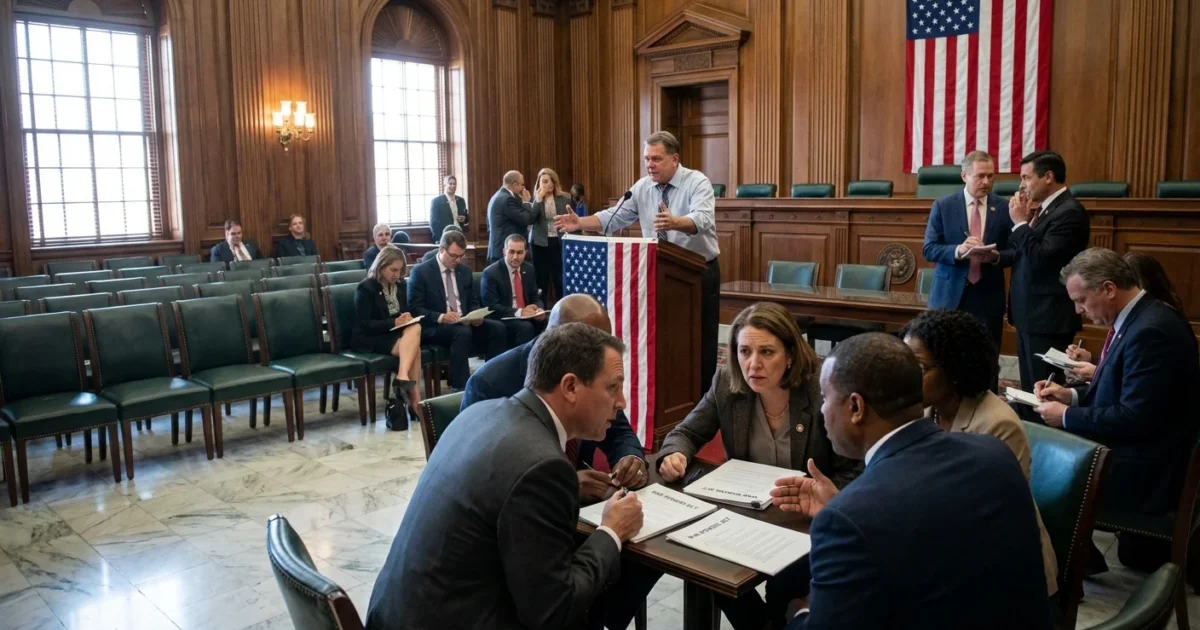
The Senate just cracked open a fight over who decides when America goes to war. I can confirm that a bipartisan group of senators advanced a War Powers measure aimed at limiting President Trump’s ability to take military action tied to Venezuela without Congress. Minutes later, the President urged voters to punish Republicans who supported it. The clash is now direct, public, and high stakes.
What the Senate Just Did
A small group of Republicans joined Democrats to push a War Powers resolution through a key procedural hurdle. The measure uses the War Powers Resolution of 1973 to force a vote on whether U.S. forces may enter or stay in hostilities related to Venezuela. It is a formal check on the White House. It signals that Congress wants a say before any escalation.
This kind of resolution is privileged. That means leaders cannot bury it in committee. It must receive floor time. If it passes, it would direct the President to remove U.S. forces from hostilities that lack explicit congressional approval.
The vote puts Republican loyalty to the President to a test. It also revives a constitutional fight that Congress has too often avoided.
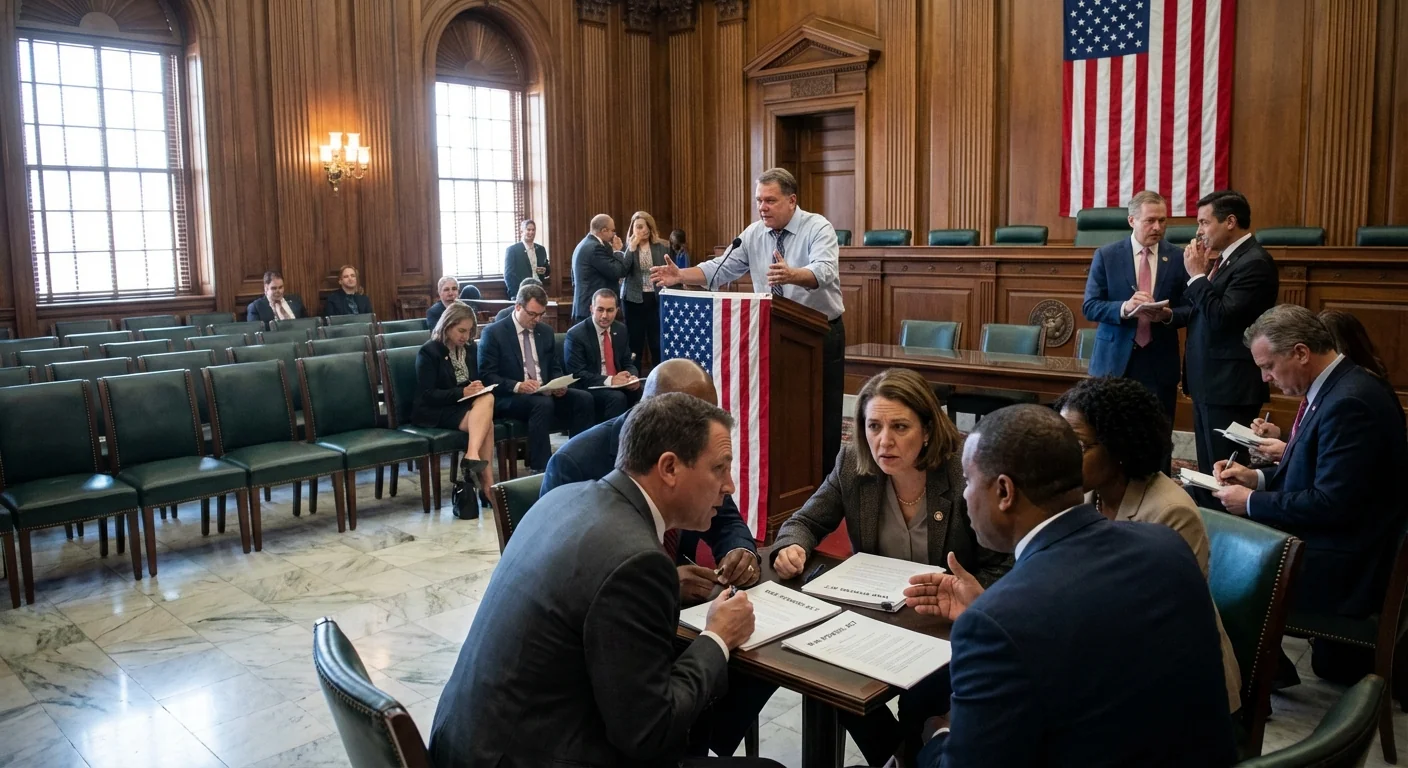
What the War Powers Act Requires
The War Powers Resolution sets a simple line. If the President introduces U.S. forces into hostilities, the President must notify Congress within 48 hours. If Congress does not authorize the action, U.S. involvement must end within 60 days. The law let presidents move fast in crises, but it requires Congress to decide if the fight continues.
No authorization, no prolonged hostilities. After 60 days, involvement must stop without a clear vote from Congress.
Congress can also direct removal through a War Powers resolution. Lawmakers used similar tools on Yemen, Iran, and Syria. Presidents of both parties have resisted these limits. They argue that the law is unconstitutional or does not apply to certain missions. That tension is now back, focused on Venezuela.
The Constitutional Fight
The Constitution splits war powers. Congress declares war and controls funding. The President is Commander in Chief. The War Powers Resolution tries to balance those roles. It keeps the President nimble in emergencies, but it forces a democratic decision for longer wars.
Courts rarely settle these fights. They often call them political questions. That makes the next votes in Congress crucial. If both chambers pass the resolution, the White House will likely veto it. Overriding a veto would take a two thirds vote in both chambers. That is a steep climb.
The President’s call to oust Republican backers raises the stakes. It turns a legal test into a loyalty test. It could chill GOP support. Or it could harden a cross party coalition that wants to reassert Congress’s role.
When Congress does not set clear lines, service members can be sent into danger without a public, accountable decision.
What It Means for Policy on Venezuela
This resolution does not change sanctions or diplomacy. It speaks to the use of force. If passed, it would block the President from engaging in hostilities related to Venezuela without Congress. It would also force regular reporting. It could restrict funds for unauthorized military action.
If the President vetoes the measure, expect a standoff. The White House could argue that certain activities are not hostilities. Congress could tighten funding riders in spending bills. Allies and adversaries will read these moves closely. They look for signals about U.S. red lines and democratic oversight.
This debate also clarifies what counts as hostilities. Air support, intelligence sharing, and maritime interdictions can raise questions. Clear definitions in the final text will matter. Clarity will keep policy within the law and prevent drift into conflict.
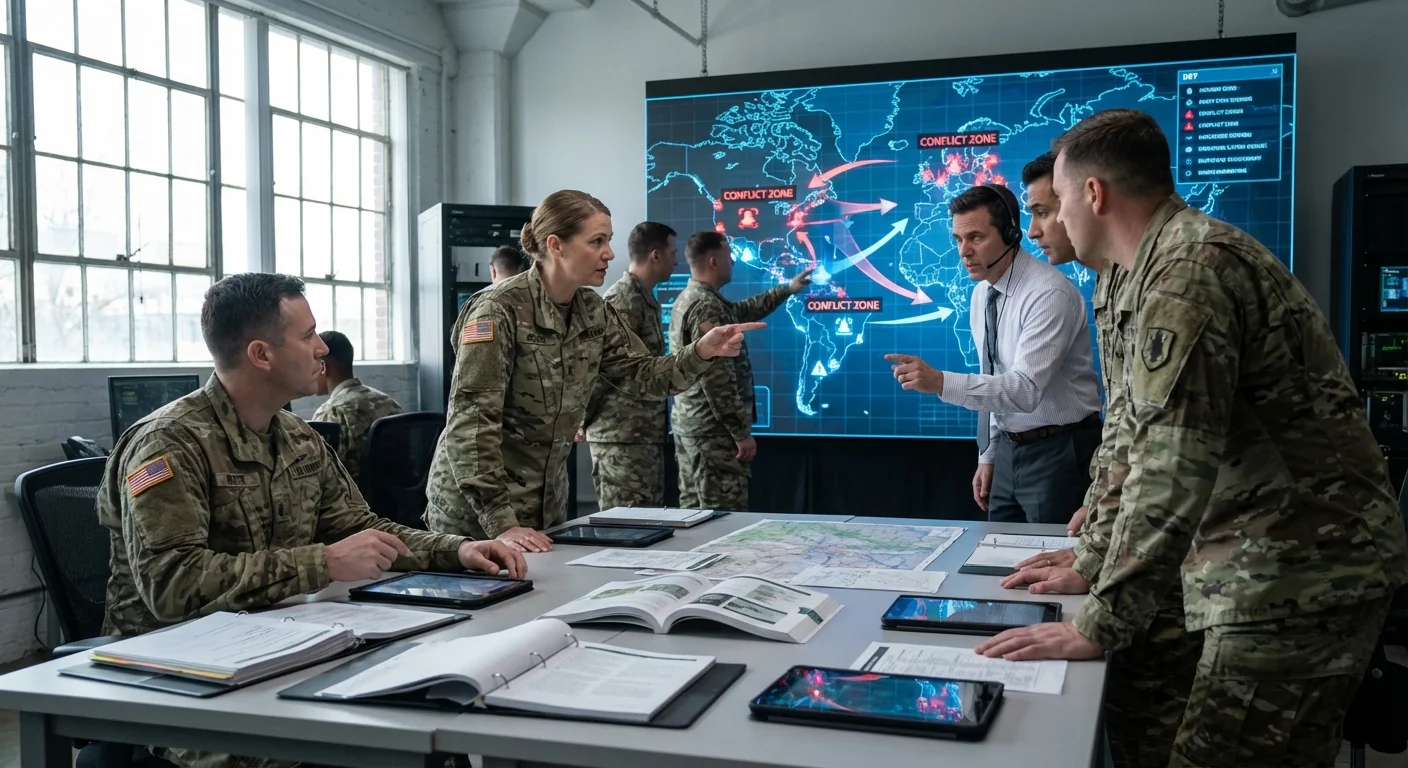
What Citizens Can Do Now
The War Powers Resolution was written to protect democratic control of war. It gives you a role. You have the right to know where and why U.S. forces are deployed. War Powers reports must be sent to Congress. Lawmakers can share these materials with the public.
Here are steps you can take today:
- Ask your senators how they will vote on the resolution
- Request copies or summaries of any War Powers reports
- Attend town halls and press for a clear stance on Venezuela
- Urge support for explicit authorization before any use of force
Keep calls focused. Ask for a yes or no on requiring congressional approval for hostilities tied to Venezuela.
The Bottom Line
This is a live test of separation of powers. The Senate’s move puts the War Powers Act back at the center of American law and policy. Congress is asserting its duty to decide on war. The President is pushing back, hard. The next votes will decide whether lawmakers reclaim their constitutional role or yield it. If U.S. forces move, the War Powers clock will start. The public deserves a clear, lawful answer before the shooting starts.